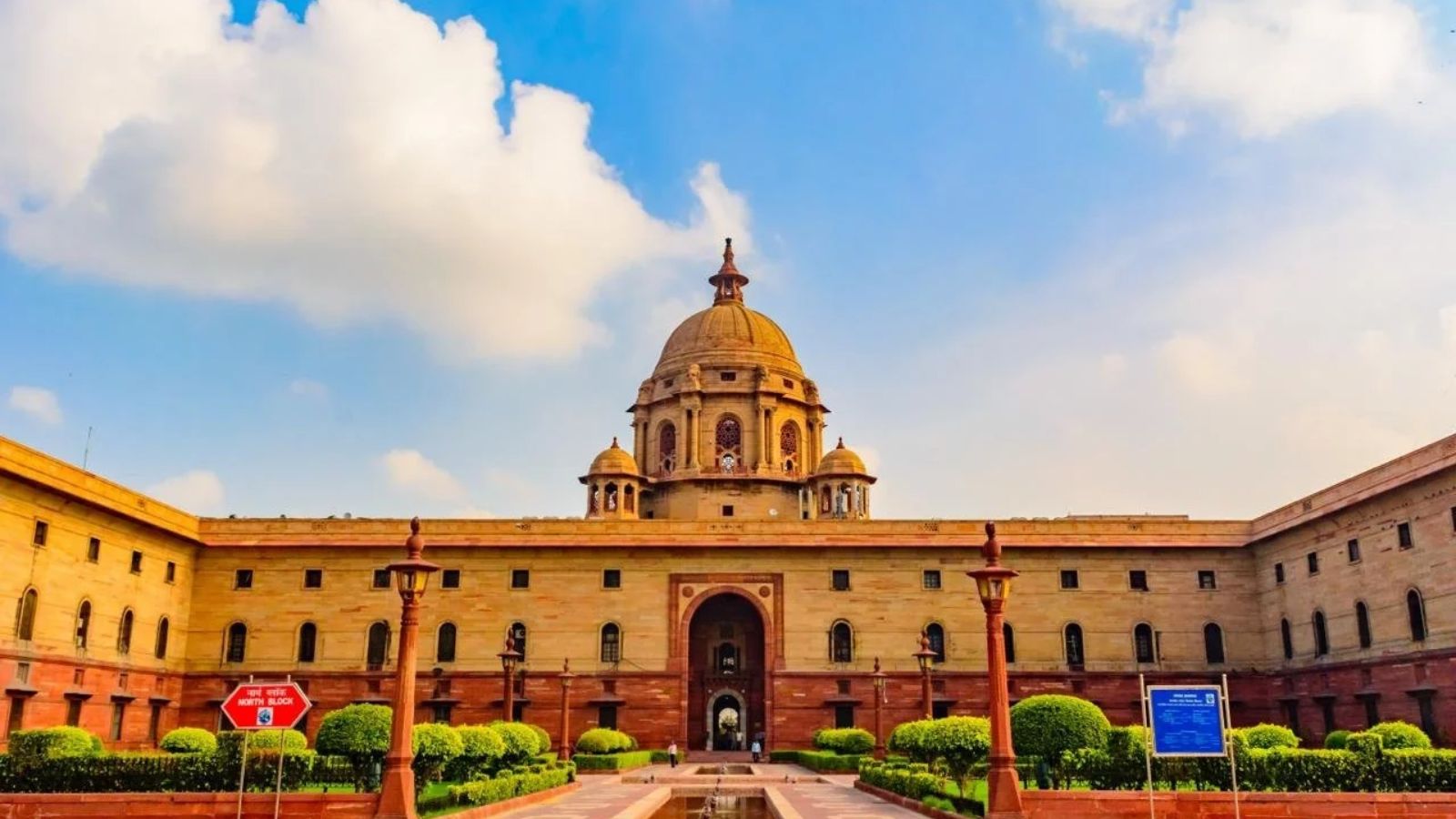
The Cabinet Committee on Economic Affairs, led by Prime Minister Narendra Modi, officially approved a ₹3,230-crore project on Wednesday to transform New Delhi’s historic North and South Block buildings into the Yuge Yugeen Bharat Museum.
This decision, finalized on Wednesday marks a significant milestone in the ongoing Central Vista redevelopment, aiming to repurpose these iconic colonial-era structures into a massive public cultural institution.
By converting the North and South Blocks—originally completed in 1927—into a repository for India’s civilizational journey, the government is creating a display area of approximately 1,78,509 square meters, according to details shared by the Cabinet.
The project, which has been in the works since the Prime Minister first announced the concept on May 18, 2023, is set to eclipse world-renowned institutions in scale. As noted by the Telegraph India, the Louvre spans 73,000 square meters, while the British Museum covers 70,000 square meters, making the proposed Indian site substantially larger than its global counterparts.
Imagine New Delhi becoming home to the world’s largest museum display area? Think scale. Think culture. That is the vision behind the Yuge Yugeen Bharat Museum! Today’s Cabinet decision will give impetus to transform historic North and South Block buildings into a magnificent… pic.twitter.com/JR09zE8rU1
The scale of the project is not merely a matter of square footage; it represents a fundamental shift in how the nation manages its heritage assets. The Ministry of Culture has identified roughly 1.8 million objects from the National Museum, various state collections, and 52 Archaeological Survey of India (ASI) site museums to be curated for the new space.
The project will be implemented in phases between the 2026-27 and 2030-31 financial years, with the first gallery—focused on the theme of “Adornment”—expected to open in the North Block by the latter half of 2027.
For the public, the transition offers a new way to engage with history, though the repurposing of these buildings comes after significant shifts in the capital’s administrative geography.
The North and South Blocks, which served as the heart of the government for nearly a century, are being vacated as ministries move to new facilities like Kartavya Bhavans and Seva Teerth. “The project seeks to preserve the architectural and heritage character of these iconic buildings while giving them a new institutional role,” the Cabinet Committee on Economic Affairs stated.
Balancing Heritage and Modernity
Integrating modern museum practices into century-old architecture presents a complex engineering challenge. In July, the Central Public Works Department (CPWD) invited bids for a ₹735-crore civil works project to prepare the buildings for their new life. The proposed designs include glass-covered courtyards and “Peacock Pavilions” at visitor entrances, along with an underground service tunnel designed to facilitate the movement of delicate artifacts between the two massive structures.
The logistical scope is equally ambitious. “It will serve as a major national institution, designed to accommodate approximately 30,000 visitors daily,” Union Minister Ashwini Vaishnaw said during a cabinet briefing, as reported by the Telegraph India. The integration of a nearby Metro station and a bus terminus is intended to handle this influx of visitors, aiming to make the museum a central node in the city’s tourism and educational infrastructure.
The Economic and Cultural Stakes
While the project promises to consolidate a vast array of India’s tangible and intangible heritage, it remains part of a broader, often debated, redevelopment of the Central Vista.
The original redevelopment plan, announced in 2019, faced various delays and has been a focal point for discussions regarding the preservation of Delhi’s architectural legacy versus the necessity of modernizing government infrastructure. For the taxpayer, the ₹3,230-crore investment represents a long-term commitment to cultural diplomacy and institutional growth.

The museum’s narrative will span over 5,000 years, organized into thematic segments including architecture, mathematics, astronomy, languages, and spirituality. This modular approach is designed to allow the institution to evolve, with ThePrint noting that the government is formulating a strategy to add galleries over time.
Despite the clear roadmap provided by the Ministry of Culture, the final realization of such a massive repository—and the successful relocation of 1.8 million historical objects—remains a task that will span the next five years of administrative and curatorial work.
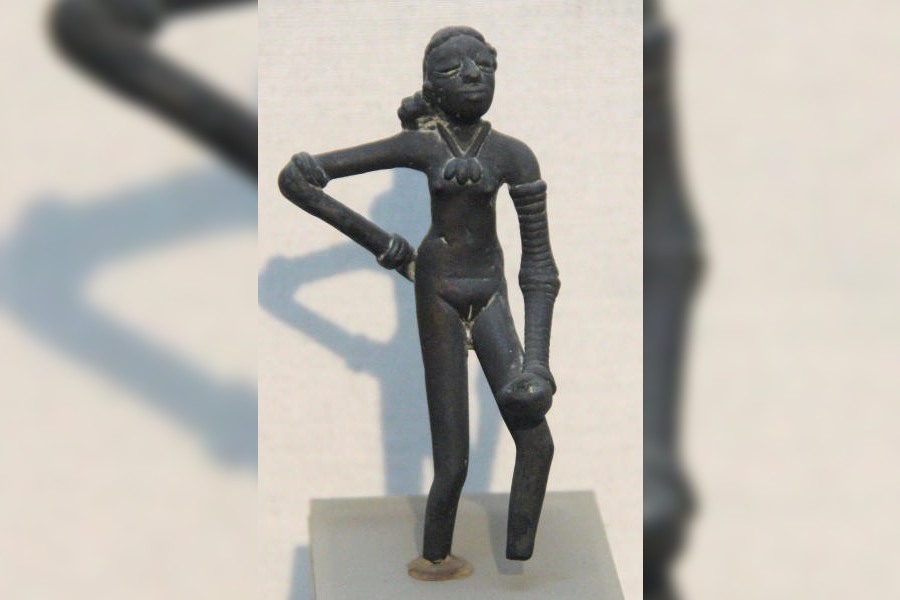
As the project moves into its implementation phase, the focus shifts to the physical restoration of the North and South Blocks. Having survived nearly 100 years of internal alterations, these buildings must now be retrofitted with intelligent building systems and climate-controlled storage to house some of the country’s most significant artifacts, including the Harappan Bronze Dancing Girl.
Whether this transformation will successfully marry the colonial-era aesthetic with the needs of a modern, high-tech museum is a question that will be answered as the first gallery opens its doors in 2027.
Midwife Roberta Devers Shifts View on Vaccines as Measles Rises
Measles is resurging in rural communities, hitting vulnerable populations like the Amish and leaving medical professionals grappling with...

Bali and Thailand Explore Strategic Cooperation in Tourism and Medical Services
Bali is looking to expand its economic footprint beyond traditional leisure as the provincial government and the Kingdom...

MITA Opposes DA 60-Day Pork Import Ban to Protect Traders
Agriculture Secretary Francisco Tiu Laurel Jr. issued a 60-day temporary suspension on pork imports this week to protect...

First Indonesian POW Captured in Ukraine After Being Lured by Fake Construction Job
Indonesia has lost its first citizen to the Russian front lines after a 49-year-old man was captured by...