
California State Parks on Monday urged visitors to prepare for stronger storms, coastal flooding and unstable trails as El Niño conditions shape the winter season across the state’s park system.
The department issued safety guidelines covering hiking, beach visits, camping and vehicle travel, emphasizing that conditions can change rapidly on coastal shorelines, inland floodplains and high elevations.
Check conditions before you go
Officials recommend reviewing weather forecasts and road conditions before any park visit. Drivers should confirm tires, brakes, wipers, heater, defroster and exhaust are in working order and carry tire chains for mountain routes. The department also advises leaving an itinerary with family or friends that includes destination, companions and expected return date.
Coastal hazards demand extra distance
Beach visitors are told to stay well back from the water, rocky shorelines and exposed coastal areas. “Never turn your back on the ocean,” the guidance says. Climbing shoreline rocks and using trails along the immediate coastline are discouraged. Visitors should plan trips around low tide when more sand separates waves from bluffs. If someone is in danger, alert a lifeguard or call 911 rather than attempting a water rescue.
Hike with a partner and proper footwear
The department recommends the buddy system for all hikes and carrying at least one quart of water every two hours. Winter moisture can create slippery or unstable surfaces; waterproof footwear with traction is advised. Hikers should avoid closed areas and stay on marked trails.
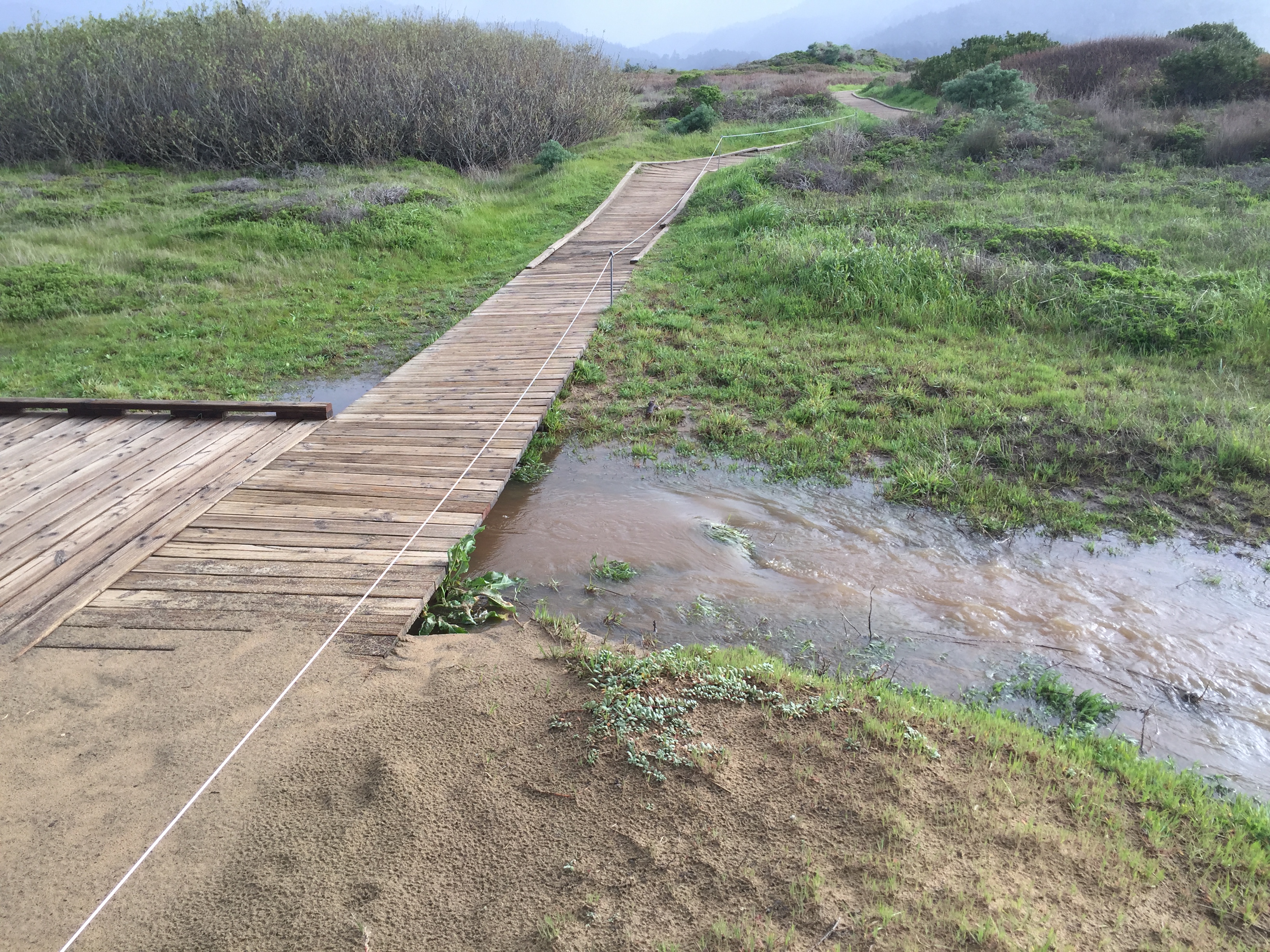
Campers must verify first-aid supplies and follow fire safety rules
Campers should verify first-aid supplies have not expired. Tents must be at least 15 feet upwind from grills and fires with three feet of clearance from dry grass and leaves. Fires must never be left unattended and should be fully extinguished before departure using water and a shovel. Only provided fire rings may be used. Sites in flood-prone areas warrant extra caution.
OuterSpatial app adds location sharing
The department points visitors to the OuterSpatial app for interactive maps, real-time updates and integration with what3words to communicate precise locations in emergencies, including remote areas without cell service.
State parks already hardening infrastructure
Under Governor Gavin Newsom’s El Niño emergency proclamation, parks are staging interlocking sandbags at coastal locations including Crystal Cove State Park to protect historic cottages. The proclamation also expedited an emergency contract to repair the end of Malibu Pier at Malibu Lagoon State Beach, closed since January 2025, and mobilized resources to stabilize a key road at MacKerricher State Park on the Mendocino coast.
Broader state preparation underway
State agencies are coordinating with local and tribal partners to reduce flood and debris-flow risks. Residents are encouraged to sign up for alerts at Ready.ca.gov, check flood risk via Cal OES MyHazards, review insurance for flood exclusions, clear gutters and drains, and prepare emergency plans. Most new flood policies require 30 days to take effect.
For park-specific information and additional safety tips, visit California State Parks.
Keep reading

Boston, BHA Sue Over Trump Rule City Says Could Displace 500 Families
Boston and its housing authority filed suit Monday in US District Court in Massachusetts challenging a Trump administration...

Nvidia Reinstates CEO Jensen Huang After China Spy Affair, Citing US Government Input
Nvidia reinstated Jensen Huang as president and chief executive officer on Monday, less than two weeks after he...
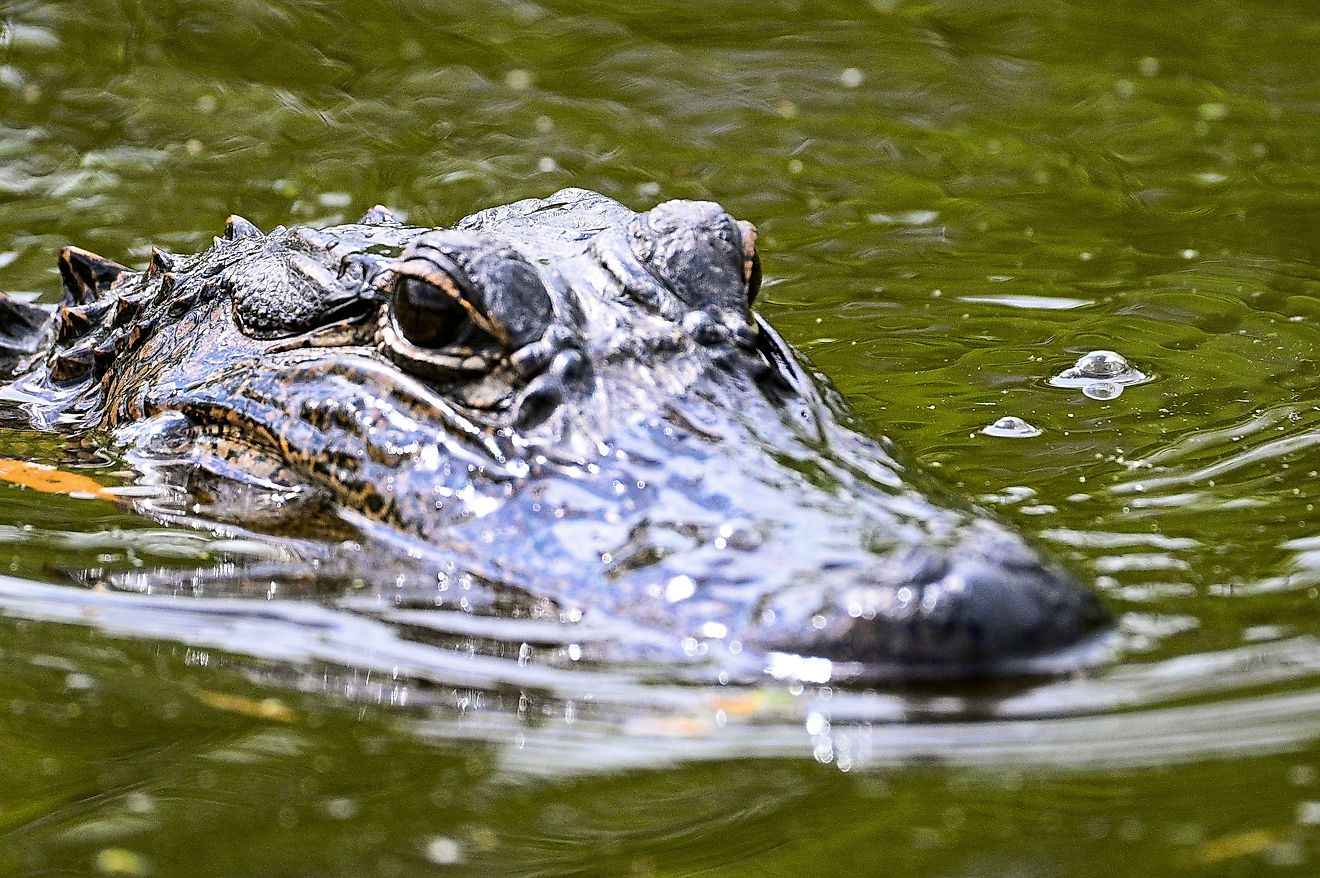
Louisiana Holds 2-3 Million Wild Alligators, Largest Population Worldwide
Louisiana holds an estimated two to three million wild alligators, the largest population in the world. The numbers...

U.S. Army Delays Lead Azide Detonation in Iowa to Nov. 25
The U.S. Army delayed the controlled detonation of degraded lead azide explosives at the Iowa Army Ammunition Plant...