
Defense contractors in Cambridge are hunting for a senior network administrator willing to work five days a week on-site, and the price of admission is an active Secret clearance.
The role, posted by a cleared employer on ClearanceJobs, requires a bachelor’s degree, a Cisco CCNP certification at minimum, and hands-on experience designing and maintaining Cisco routers, switches, firewalls and VPNs, ClearanceJobs reported. A CCIE certification is preferred, as is familiarity with Security Technical Implementation Guides and the Risk Management Framework.
ClearedJobs surfaces the same demand across Massachusetts, listing dozens of network systems administrator openings tied to Public Trust, Secret, Top Secret and SCI-level clearances. The volume underscores a persistent bottleneck: the cleared talent pool is not expanding fast enough to meet the contract requirements flowing from Hanscom Air Force Base, the Natick Soldier Systems Center and the defense industrial corridor along Route 128.
“The clearance is the currency,” said a senior recruiter at a major systems integrator who spoke on background about hiring trends in the region. “We can teach a CCNP. We cannot teach a Top Secret SCI with a polygraph.”
Massachusetts employers posted more than cleared IT positions in the last quarter, according to ClearedJobs data reviewed for this article. Network administration roles accounted for roughly 18 percent of that total, trailing only software engineering and cybersecurity analysis. The Cambridge listing offers a long-term W2 contract, a structure favored by program offices that need continuity without the overhead of direct hiring.
ClearanceJobs data shows the Cambridge position requires STIG and RMF experience, reflecting the Defense Department’s push to enforce zero-trust architectures across the enterprise. That shift has turned routine network administration into a compliance-heavy specialty, raising the bar for candidates who once could rely on routing and switching expertise alone.
ClearedJobs also notes that candidates without a current clearance but willing to obtain one are eligible to apply, though the investigation timeline can stretch beyond a year for Top Secret levels. For the Cambridge role, an active Secret clearance is a hard gate; the employer will not sponsor an initial investigation.
The on-site mandate runs counter to the hybrid norms that took hold in commercial tech. Defense officials argue that classified networks and SCIF access make remote work impractical for infrastructure roles. That stance narrows the applicant pool to professionals already living within commuting distance of Kendall Square or willing to relocate.
“If you hold an active Secret and a CCNP, you are effectively writing your own ticket in this market,” the recruiter said. “The counter-offers start before the background check closes.”
ClearanceJobs lists the Cambridge position as a long-term contract with no stated end date. ClearedJobs shows similar roles in Bedford, Hanscom and Springfield, many offering relocation assistance and clearance crossover support for candidates moving between DoD and Intelligence Community billets.
The competition for cleared network talent has driven contract rates at higher levels annually for senior administrators with STIG experience, according to industry salary surveys cited by both platforms. That figure climbs higher when a Top Secret SCI and CI polygraph are in hand.
DoD’s 2024 Cyber Workforce Strategy calls for a 20 percent increase in qualified infrastructure personnel by 2027. The Cambridge posting, and the dozens like it across Massachusetts, suggest the deadline is already slipping.
Worth a look
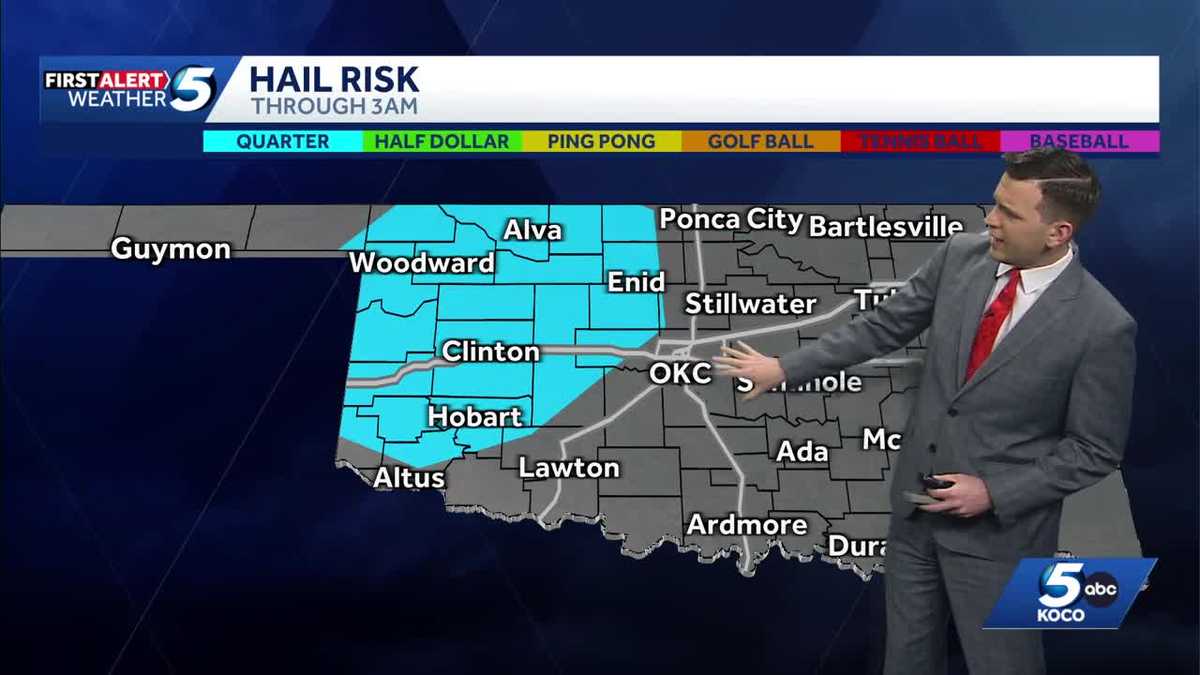
Thunderstorms Bring Chance of 60 Mph Wind Gusts Saturday, Says KOCO
Thunderstorms bring chance of 60 mph wind gusts Saturday. The severe weather risk across western and northwestern Oklahoma...

Minot State Falls 65-43 to Montana State-Billings
Minot State women fell 65-43 to Montana State-Billings on Saturday. The Beavers showed real grit, putting up a...
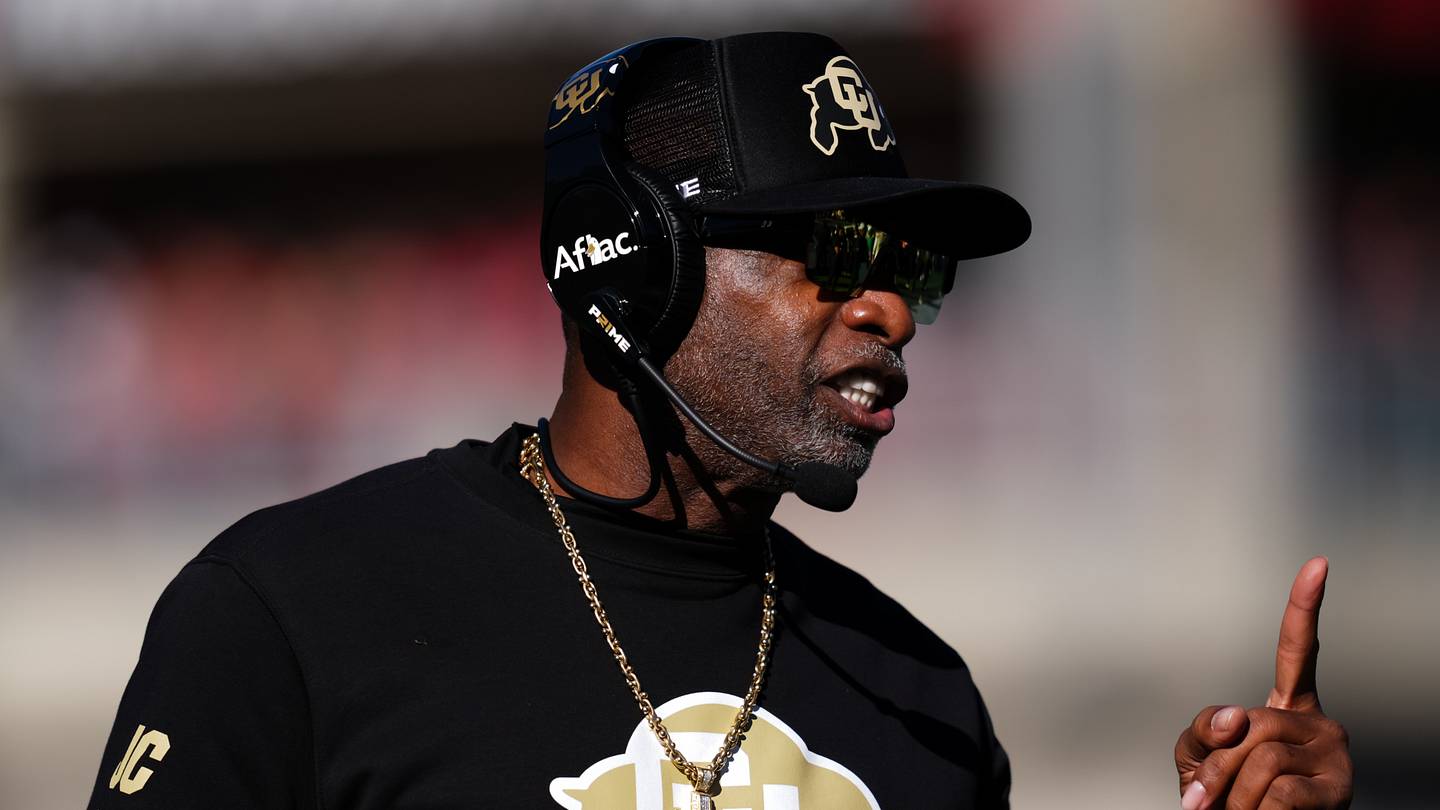
Colorado Buffaloes Eliminated From Bowl Eligibility After 35-28 Loss to Cincinnati
Colorado's bowl hopes died at Nippert Stadium on Saturday, where a 35-28 loss to Cincinnati dropped the Buffaloes...

Hartmetz Scores Twice as No. 2 Gophers Rout St. Thomas 6-1 for Eighth Straight Win
ST. PAUL — Freshmen Sloane Hartmetz scored twice and Adrianna Milani added a goal and two assists as...