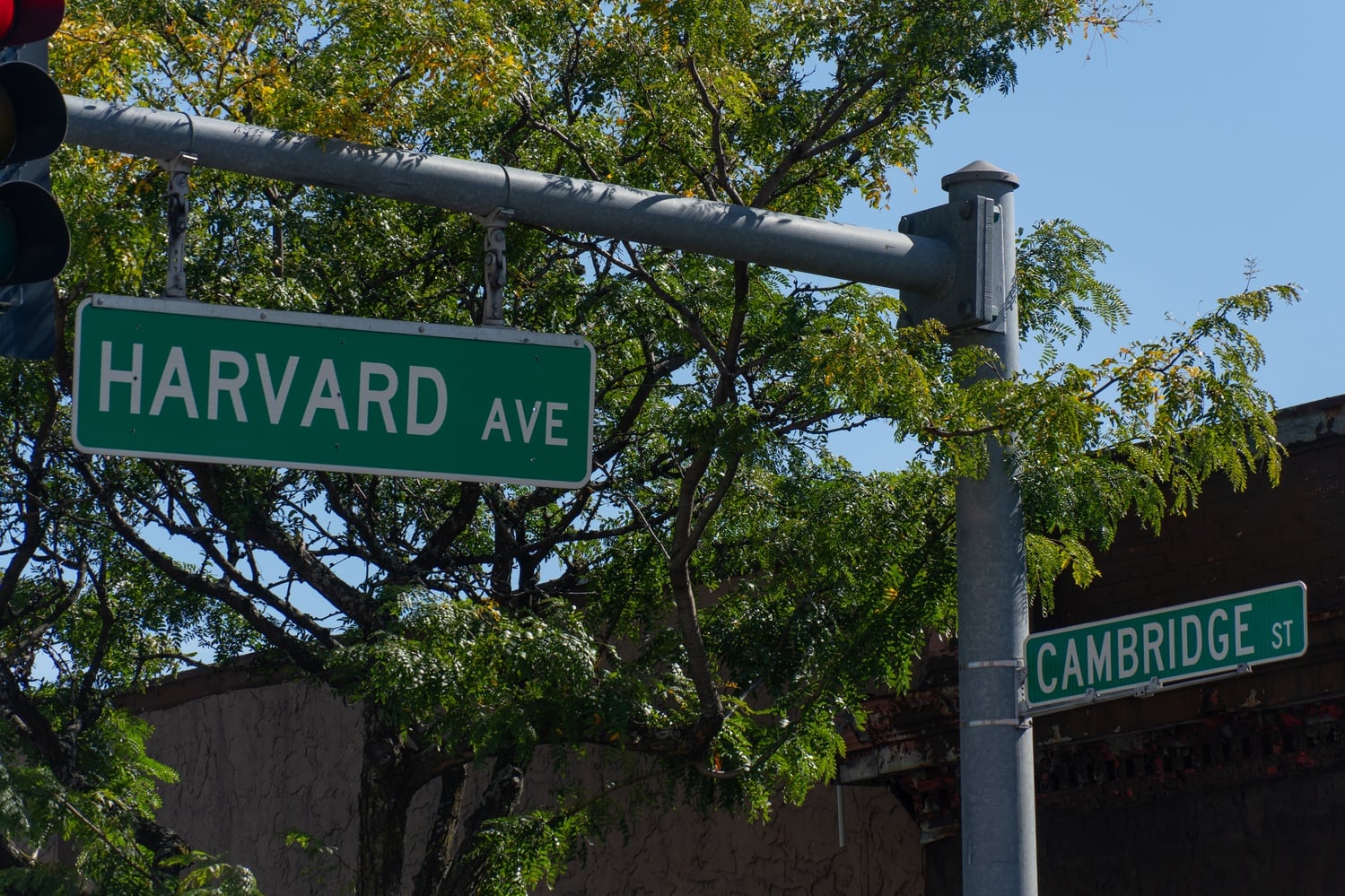
Cambridge city officials reported significant progress Wednesday on renovations targeting the city’s highest-crash intersections, marking the first major public update since the Intersection Safety Program launched in response to three cyclist deaths in 2024, The Crimson reported.
The program analyzes citywide crash data every two years to prioritize safety improvements at the most dangerous crossings.
At a joint meeting of the Transit Advisory, Bicycle, and Pedestrian Committees, Leah S. Grodstein, one of the city’s street design project managers, said crews have moved forward on six intersections, including the three ranked as the highest-threat locations: Massachusetts Avenue and Albany Street, Hampshire Street and Prospect Street, and Massachusetts Avenue and Vassar Street.
“Cambridge is a place where people are pretty united in wanting intersections to be safer,” Grodstein said.
Ave. and Albany Street sits at the top of the priority list, recording 79 crashes between 2014 and 2024. The city is installing time-separated left turns for bicyclists and drivers there, along with a five-second leading pedestrian interval that lets cyclists and pedestrians enter the intersection before motor vehicles. Officials estimate that project will be finished by year’s end.
Across the target sites, the program is deploying bicycle intersection markings, corner islands with flex posts, and raised centerlines known as “bumblebees” designed to reduce turning-vehicle speeds. Grodstein said she hopes to maintain a pace of five or six intersections per year, though cold weather may slow pavement-marking work.
“There’s a lot of changes going on here, and we’re not going to be able to get to all of them this year,” Grodstein said. “There’s a time when it’s too cold to put down pavement markings.”
The city is still evaluating the effectiveness of newer tools like the bumblebees — raised plastic traffic-control bumps — particularly through seasonal changes.
“We don’t want to keep using a thing that people are not liking or is not working the way that we hoped,” Grodstein said. “There’s a possibility that we might see something new next year, or might see different ways of deploying them.”
Gavin O. Colbert, a mid-Cambridge resident and member of the Pedestrian Committee who lives near Broadway Street, said renovations to pedestrian crossings and bike lanes there this past summer have already improved traffic safety.
“The city is very responsive to our committees, and it’s great that they’re here listening to our feedback,” Colbert said. “We’re extra eyes on the street.”
Some residents questioned whether additional road signs could be misinterpreted. Grodstein acknowledged the need for more resources to help drivers understand new markings.
“Not everyone reads the driver’s manual as a pastime,” Grodstein said. “We might need some education on certain markings.”
Cambridge, founded in 1630 and named for the English university, sits across the Charles River from Boston and recorded a population of 118,403 in the 2020 census. It is home to Harvard, founded in 1636, and MIT’s 168-acre campus; Kendall Square nearby has been called “the most innovative square mile on the planet” for its concentration of biotech startups, with over 250 such companies citywide in 2022.
Launched this past summer, the program’s website features a map of the intersections, updates on ongoing renovations, and explanations of safety tools.
Worth a look
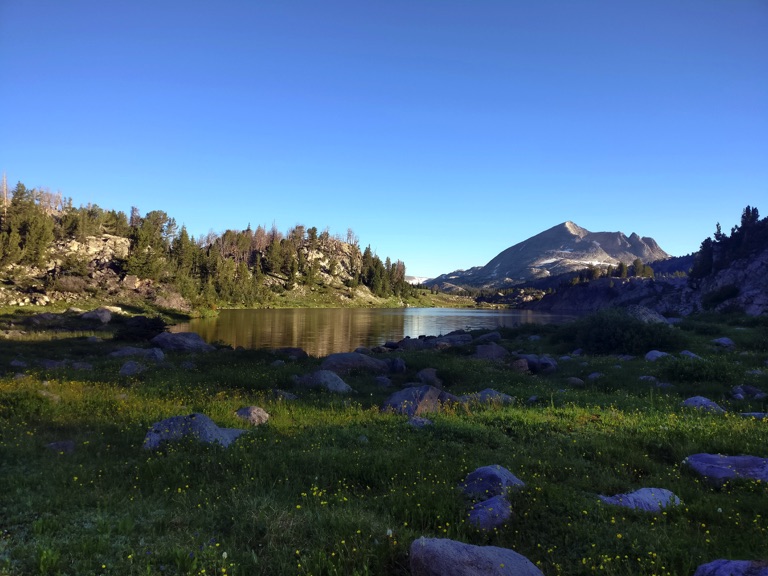
CDT Hikers Face Volatile Water Conditions in Wyoming Basin
"So much water," the report read, a simple thumbs-up emoji punctuating the relief of a hiker who had...

Moberly Man Charged With Attempted Sex Trafficking of a Minor, Faces Life in Prison
A Moberly, Missouri man faces up to life in federal prison after a grand jury indicted him Wednesday...
AGC/VT Graduates First Leadership Academy Class of Fourteen Vermont Construction Professionals
Fourteen Vermont construction professionals graduated Monday from the inaugural AGC/VT Leadership Academy, a new workforce program built to...

New Mexico Governor Seeks More PRC Candidates in Letter to Nominating Committee Chair
Gov. Michelle Lujan Grisham asked a nominating committee for more candidates to fill a seat on the Public...