
Casey Gordon argues in a first-person piece for Manchester University that returning to college decades after a first degree is not only possible but increasingly practical, drawing on her own jump from a 2014 marketing bachelor’s to an online Master of Science in Nutrition and Nutrigenomics at age 34.
Gordon writes that the “right time” for a return is rarely a quiet calendar; it arrives when professional goals outpace the skills on hand.
She describes a 12-year gap between commencement and her first graduate login, a period spent building a marketing career that — unexpectedly — supplied the communication and audience-analysis tools she now uses in dietetics coursework. “Although marketing and dietetics may seem unrelated, I’ve found that my background in marketing has been more applicable to nutrition than I initially expected,” Gordon writes.
The university structures its pitch around flexibility. Its Degree in Three initiative compresses applied bachelor’s programs — accounting, business management, marketing communication — into 90-plus credit hours finished in as few as three years.
For graduate study, Manchester offers an accelerated MBA completable in one year full-time or two years part-time, with tracks in management, healthcare, and accounting, delivered online or in hybrid format. Doctor of Pharmacy distance pathways and graduate degrees in pharmacogenomics round out the remote catalog.

Transfer credit policy becomes the first practical filter for stop-out students. Manchester advises prospective returns to request a transcript evaluation before committing; accepted credits can shrink both cost and calendar. Financial aid offices then map federal, state, and institutional options against the reduced credit load.
Gordon acknowledges the adjustment — “Returning to school after years in the workforce was an adjustment” — but counters that adult learners bring project-management discipline that traditional 18-year-olds are still developing.
Manchester University traces its roots to the Roanoke Classical Seminary, founded in 1860 by the United Brethren Church in Roanoke, Indiana, before moving to North Manchester and adopting its college name in 1889.
The institution established the first undergraduate peace studies major in the United States in 1948 and retains the only NGO status with the United Nations held by any U.S. college, a distinction that has brought speakers such as Eleanor Roosevelt and Martin Luther King Jr. to campus.
In 2012 the college became Manchester University and opened a second location in Fort Wayne, Indiana, housing the nation’s first master’s program in pharmacogenomics alongside its doctorate of pharmacy.
She closes with a line that doubles as institutional motto: “Your education doesn’t have an expiration date, and neither do your ambitions.”
Related reading

Motley Rice Attorney Ashley Hornstein Appointed Co-Lead Counsel in Rhode Island Child Sex Abuse Litigation
Motley Rice attorney Ashley Hornstein has been named plaintiffs' co-lead counsel in Rhode Island's coordinated child sexual abuse...

Forest Proximity and Habitat Heterogeneity Boost Pest-Controlling Birds in Napa Valley Vineyards
Vineyard owners in Napa Valley just got a scientific blueprint for working with nature instead of against it,...
East Baton Rouge Parish Remains Under Outdoor Burn Ban
East Baton Rouge Parish remains under a parish-wide outdoor burn ban this Friday, nearly a month after Mayor-Sid...
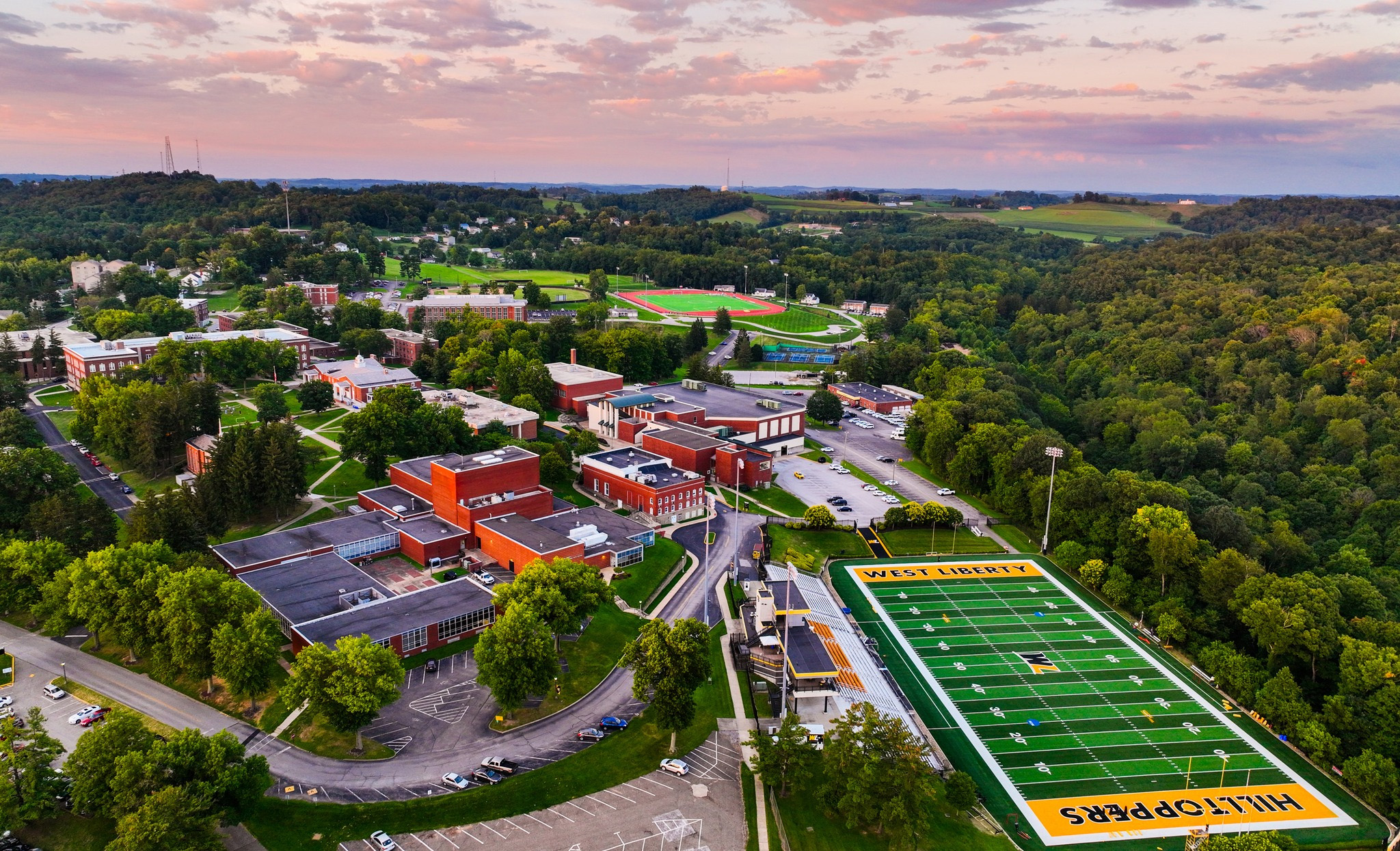
West Liberty University Tops College Raptor 2027 Hidden Gem Rankings for West Virginia
College Raptor released its 2027 Hidden Gem rankings on Thursday, placing West Liberty University at the top of...