
Millions of children’s garments enter U.S. landfills annually because kids simply outgrow them, Radio Milwaukee reported.
Addressing that waste cycle, Casita Prado launched in 2024 to stitch together clothing, children, and community collaboration in Milwaukee.
Christina Lopez-Prado founded the small business, drawing inspiration from her family roots. “Casita Prado is named after my grandmother,” Lopez-Prado told Radio Milwaukee. “Casita means little house, and Prado is my grandmother’s last name. So my grandmother taught me to sew at a young age. She would repurpose our clothes (and) turn it into quilts.”
Since its founding, the organization has partnered with local nonprofits to introduce young people to fashion through embroidery, sewing, upcycling, and modeling. Those lessons take place at free public events organized by the business.

“We started with a casting call for kids,” Sehiry Tapia, director of communications and public relations for Casita Prado, told Radio Milwaukee. “That was really fun, just gathering so many families and showing kids how to express themselves, build up their confidence, pose a little bit, give them a chance to get their first headshots, things like that.”
The founders met as students at Mount Mary University. Operating on limited resources and often balancing multiple jobs, they designed the business to function as an open neighborhood hub.
“We’re together, and we feel safe, and we’re in community with other families and other kids,” Tapia told Radio Milwaukee.
“We just wanna make space for our families, for our kids, for our youth to be part of this … and take pride in their own self-expression. Do you need an outlet? We’re here. Do you need a safe space? We’re here. Do you wanna do it together as a family? We’re here.”
That physical presence will expand in 2027. Casita Prado is scheduled to transition into a brick-and-mortar storefront after winning the Rev-Up MKE pitch competition hosted by Near West Side Partners.
Casita Prado began in 2024 as a sustainable children’s streetwear label producing small-batch apparel from reclaimed and deadstock materials. The founders, who met as students at Mount Mary University, built the venture around a “pinky promise” to create with purpose and grow alongside the community.
Before the planned storefront, the organization operated as a mobile neighborhood hub, hosting free public events that taught embroidery, sewing, upcycling and modeling through partnerships with local nonprofits.

“It’s all connected, and at the end of the day … creating a safe space for kids where they feel comfortable to not just learn something new, but maybe do something different that they haven’t done before,” Tapia told Radio Milwaukee. “All of that builds confidence. That’s all we hope to achieve.”
Worth a look
Iowa Attorney Jefferson Fink Focuses on Administrative Law Defense
A letter from an Iowa state agency—whether it arrives as an investigation notice, a records request, or a...

RJ Luis Jr. Makes LSU Debut Amid NCAA, SEC Legal Battle
“He played well for not having practiced in a while,” LSU coach Will Wade said after RJ Luis...
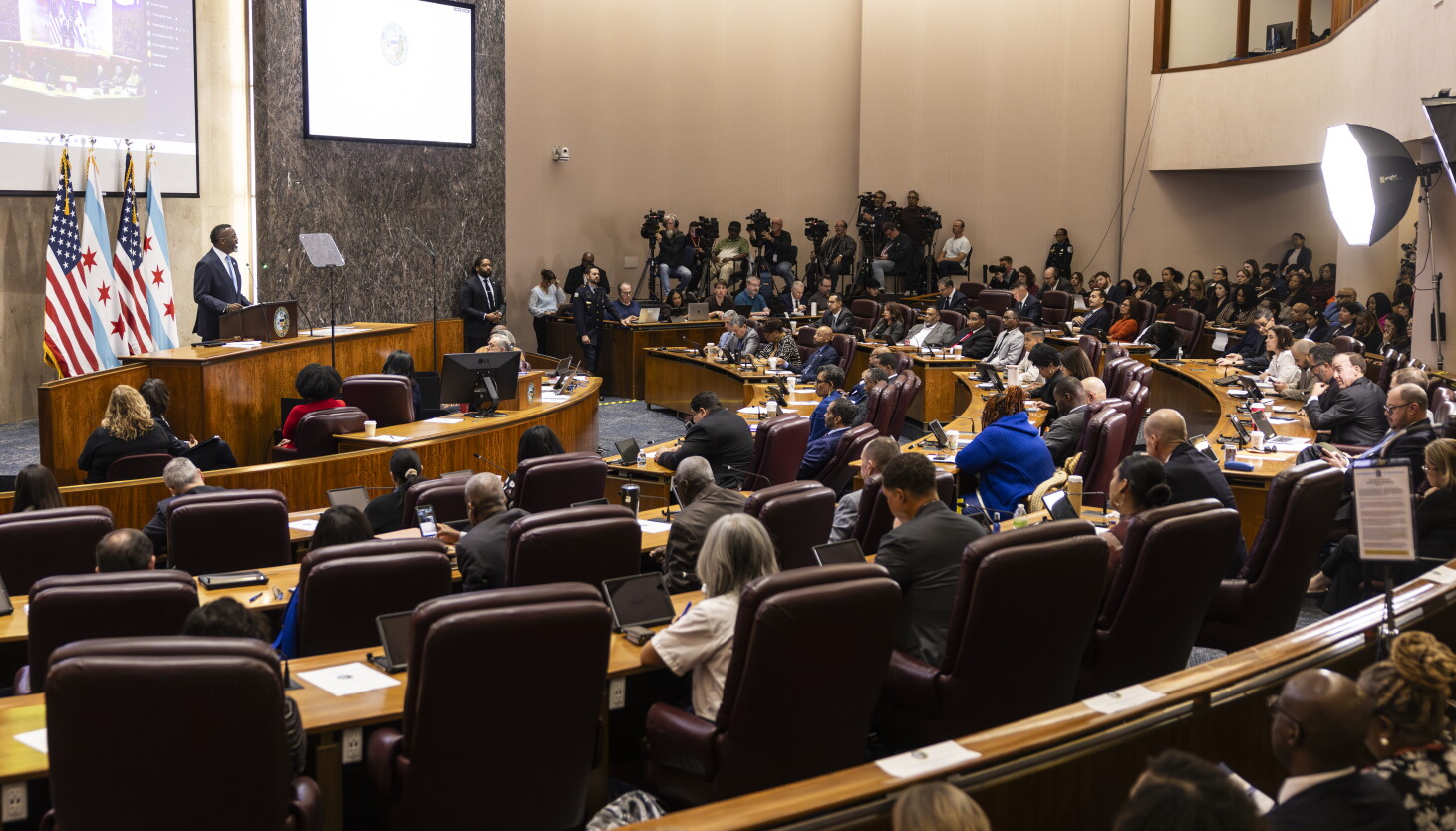
Chicago Council Unanimously Backs Millionaire Tax Resolution Amid Hypocrisy Claims
Facing claims of political double standards, the Chicago City Council passed a resolution unanimously on Wednesday that calls...

Colts at Texans TNF: Daniel Jones Leads QB Depth Chart, How to Watch on DAZN
The Indianapolis Colts travel to Reliant Stadium to face the Houston Texans on Thursday for an AFC South...