
Comic Book Resources has published a list of ten science-fiction novels it says deliver flawless chapters from start to finish.
The roundup spans six decades, from Frank Herbert’s 1965 classic Dune to QNTM’s 2025 novel There Is No Antimemetics Division, CBR reported.
Herbert’s Dune anchors the list with its feudal intrigue on the desert planet Arrakis. CBR said that every chapter opens with a fictional epigraph — often attributed to Princess Irulan’s historical writings — that foreshadows plot developments and gives the narrative an "ancient and lived-in historical texture."
Ursula K. Le Guin’s 1974 novel The Dispossessed earns a rare triple crown of Hugo, Nebula, and Locus Awards. Its alternating chapters mirror the physicist Shevek’s Simultaneous Temporal Theory: odd-numbered chapters follow his present on the capitalist world Urras, even-numbered chapters recount his youth on the anarchist moon Anarres, and the novel begins and ends at the same location, CBR reported.
Daniel Keyes’s Flowers for Algernon (1966) uses progress reports written by protagonist Charlie Gordon. The prose quality shifts deliberately to track his surgically enhanced intelligence and subsequent decline, illustrating "how society measures a person’s worth through cognitive performance and ableist productivity culture," CBR reported.

Andy Weir’s Project Hail Mary (2021) structures its hard-science puzzles around teacher-turned-astronaut Ryland Grace. Early chapters present escalating scientific hurdles; later chapters pivot to his friendship with an alien engineer named Rocky, which CBR called "the emotional center of the novel." A 2026 film adaptation starring Ryan Gosling has renewed interest in the book.
Martha Wells’s novella All Systems Red (2017), the first Murderbot Diaries entry, packs a complete arc into a single sitting. CBR said its relentless pacing uses active scenes for world-building rather than exposition dumps, balancing corporate conspiracy with the security cyborg’s "snarky inner monologue."
Dan Simmons’s Hyperion (1989) adopts a Canterbury Tales frame. Seven pilgrims tell genre-shifting stories — military sci-fi, cyberpunk noir — en route to the Time Tombs and the creature known as the Shrike. CBR said the segmented structure makes the universe feel "vast and unpredictable" while maintaining tension.
Douglas Adams’s The Hitchhiker’s Guide to the Galaxy (1979) relies on its radio-script heritage for "brisk and bite-sized" chapters. Guidebook entries interrupt scenes as satirical palate cleansers, and deadpan British wit drives "absurdity to absurdity" without dragging, CBR reported.
Philip K. Dick’s Ubik (1969) sets corporate espionage in a 1992 where psychic powers are commercialized. Each chapter ends with a faux-vintage advertisement for the titular product as reality devolves around anti-psychic "inertial" Joe Chip, escalating paranoia with "reality-shattering revelation," CBR reported.
QNTM, the pen name of British programmer Sam Hughes, built a reputation through serial novels such as Ra and Fine Structure and the short story “Lena,” which imagines the first digital snapshot of a human brain (Wikipedia). He also created the adversarial word game Absurdle in 2022, which The Guardian called “the Machiavellian version of Wordle” (Wikipedia).
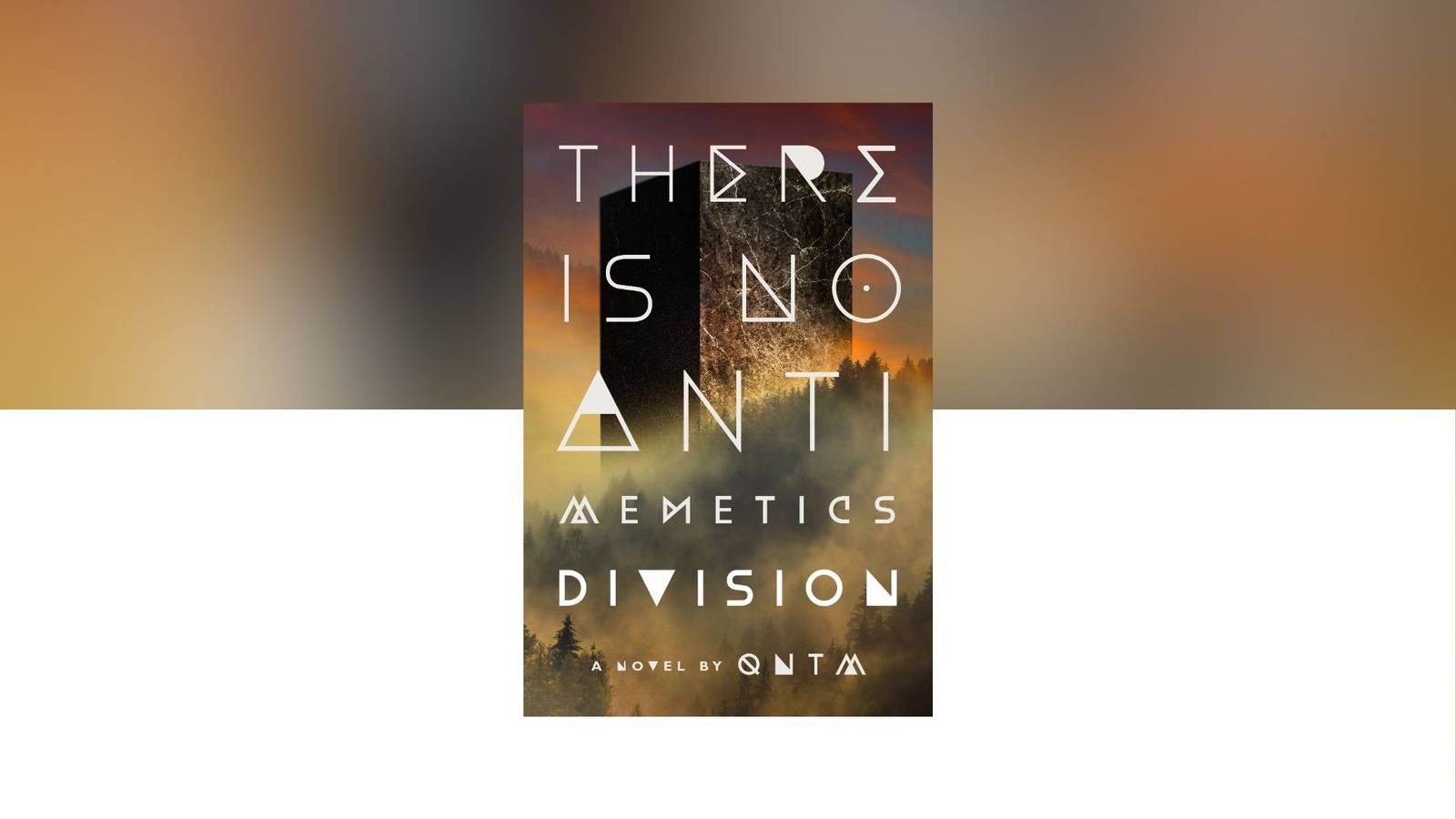
QNTM’s There Is No Antimemetics Division originated in the collaborative SCP Foundation universe (2015–2020) before its 2025 novel release. Its self-contained vignettes explore "antimemes" — concepts that erase themselves from perception and records — forcing readers to untangle the puzzle alongside the investigators, CBR reported.
Keep reading

Coronation Street’s Carla Connor-Swain Clashes With Leanne Battersby Over Idris Nazir Evidence
Coronation Street's Carla Connor-Swain and Leanne Battersby will clash next week as their feud over Idris Nazir escalates,...

Lincoln Uphill Footfall Fell 10.3% in Three Months to October
Footfall in Lincoln's uphill district fell 10.3% in the three months to October versus the same period in...

Carly Rae Jepsen Says GTA VI Will Make Her a ‘Late in Life Gamer’
Carly Rae Jepsen says the placement of her 2015 single "Run Away With Me" in Grand Theft Auto...

Dannii Minogue Says Russell Brand Cornered Her in MTV Studios Corridor in 2006
Dannii Minogue said Russell Brand cornered her in a hallway at MTV studios in 2006 and ignored her...