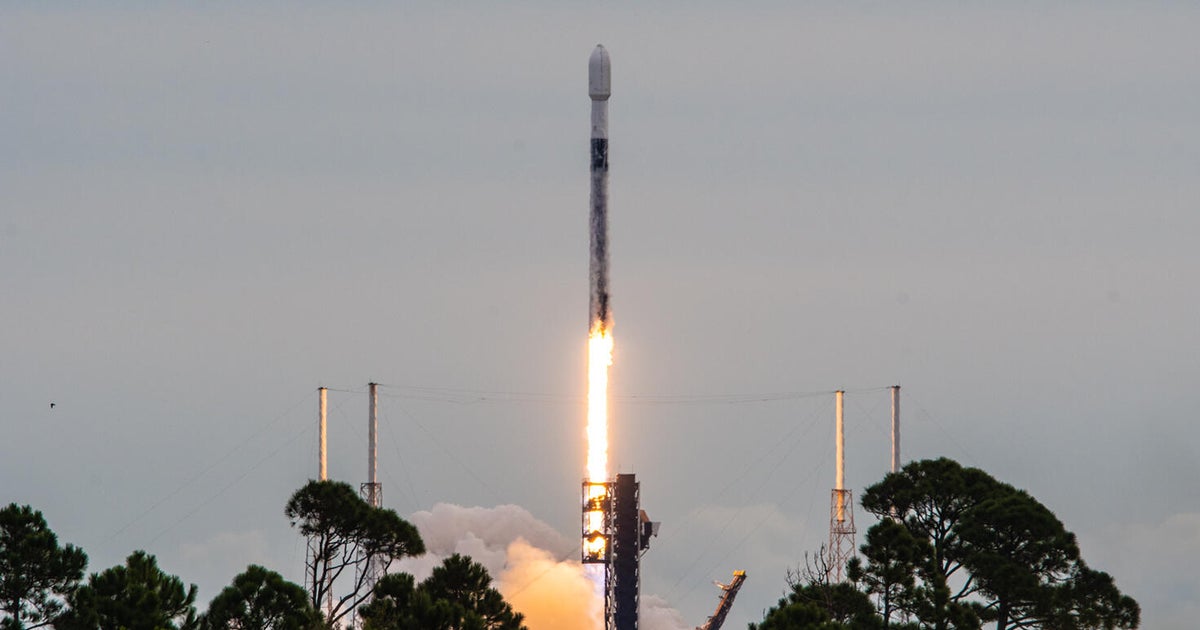
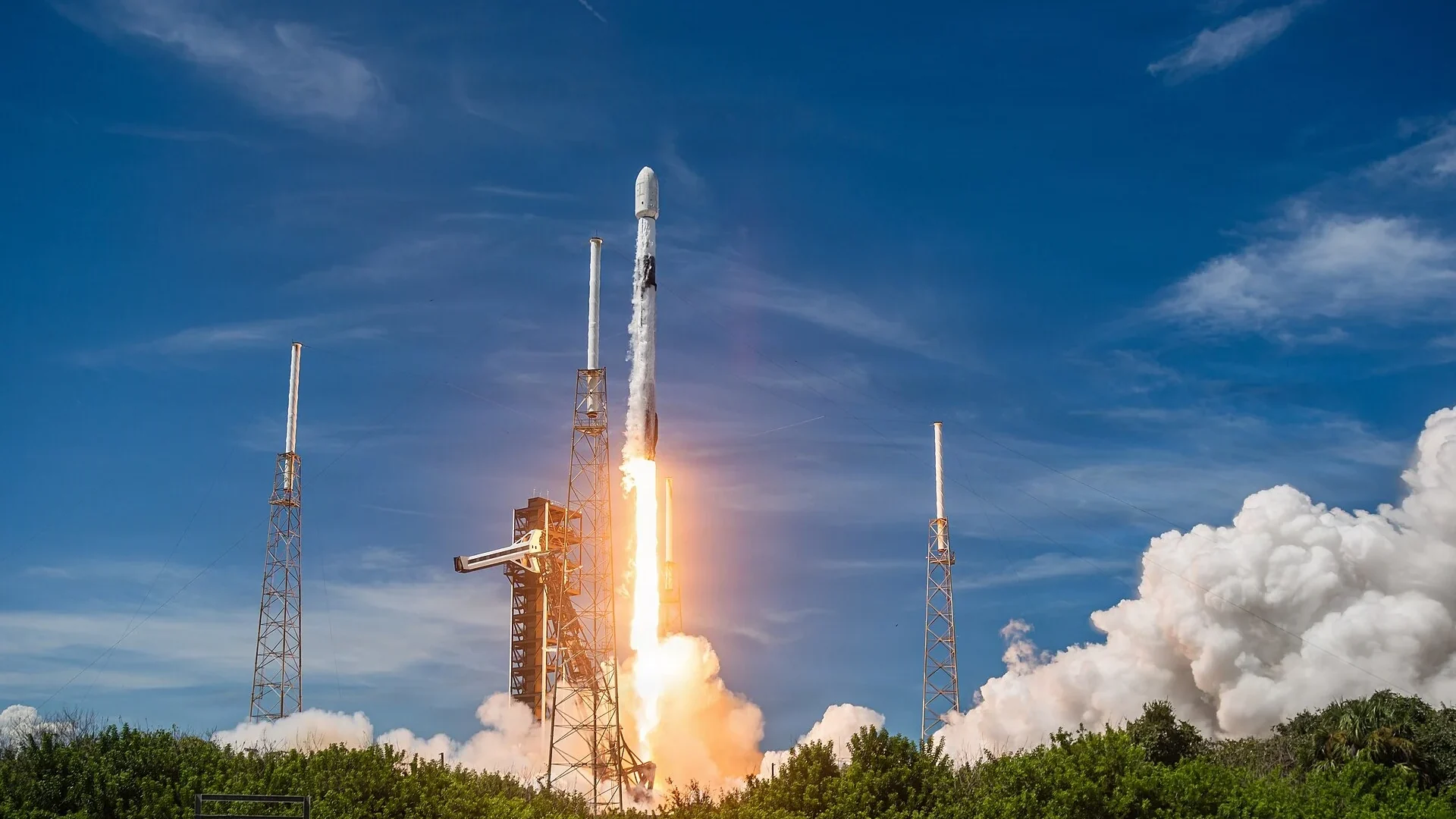
A SpaceX Falcon 9 lifted off at 10:47 a.m. EST on Sunday from Cape Canaveral Space Force Station, carrying a Northrop Grumman Cygnus XL spacecraft loaded with roughly 11,000 pounds of cargo for the International Space Station.
- Falcon 9 first-stage booster B1096 completed its ninth flight and landed at Landing Zone 40.
- Cygnus XL, named S.S. James “Jim” A. Lovell, is the third enlarged Cygnus to fly.
- Capture by Canadarm2 is scheduled for 2:35 a.m. Tuesday, Dec. 1.
- The spacecraft will remain docked until May 2027 before a destructive re-entry.
Falcon 9 Booster Returns for Ninth Flight
The rocket cleared pad 40 at 10:47 a.m. EST, its nine Merlin engines generating 1.7 million pounds of thrust. Eight minutes later the first stage — tail number B1096 — touched down at Landing Zone 40, a few hundred feet from the launch pad. It was the ninth landing at that site and the booster’s third return there.
SpaceX’s Jared Metter, director of flight reliability, confirmed this was the fifth Falcon 9 flight flown on Northrop Grumman’s behalf. “We continue to be honored to have these missions on our manifest. These are critical missions that help provide the necessary science, food, supplies, and equipment to help maintain the orbiting laboratory of the ISS,” Metter said during a prelaunch briefing.
Cargo Mixes Science, Supplies and Holiday Fare
NASA’s ISS operations integration manager Gaurang Patel detailed a manifest split between research hardware, crew provisions, and spare parts. The spacecraft carries more than 4,000 pounds of research equipment, about 3,500 pounds of crew supplies, and over 2,500 pounds of spare parts, spacewalk gear, and computer equipment.
Fresh food includes apples, carrots, sweet peppers, grapefruit, oranges, tomatoes, blueberries, gingerbread house kits, holiday cookies, pizza kits, candy, and international selections — plus high-school contributed recipes for spicy carne asada street tacos and Rasta pasta. “The Cygnus XL has on board a number of fresh food items for the crew to enjoy, especially ahead of this holiday season,” Patel said.
Research Targets Cancer, Muscle Loss and First Crop System
Investigations target improved drug delivery for cancer and osteoarthritis, predicting cancer spread, advancing treatments for muscle loss, improving radiation sensing, and advancing food production for long-duration missions. A standout payload is Ohalo III, described by NASA as a “first-of-its-kind space crop production system”.
The prototype growth chamber will test whether automation can reliably maintain culture media and plant health with minimal crew intervention. NASA says that data will inform future Moon Base and Mars habitats, as well as terrestrial vertical farming.
Falcon 9’s first stage lands at LZ-40 pic.twitter.com/3q0D9uzGs2
A companion brain-tissue experiment, AVATAR-Org4, will validate a miniature fluid-handling system designed to keep laboratory-grown brain models alive in microgravity, supporting neurological disease research and astronaut health monitoring.
Arrival, berthing, and mission duration
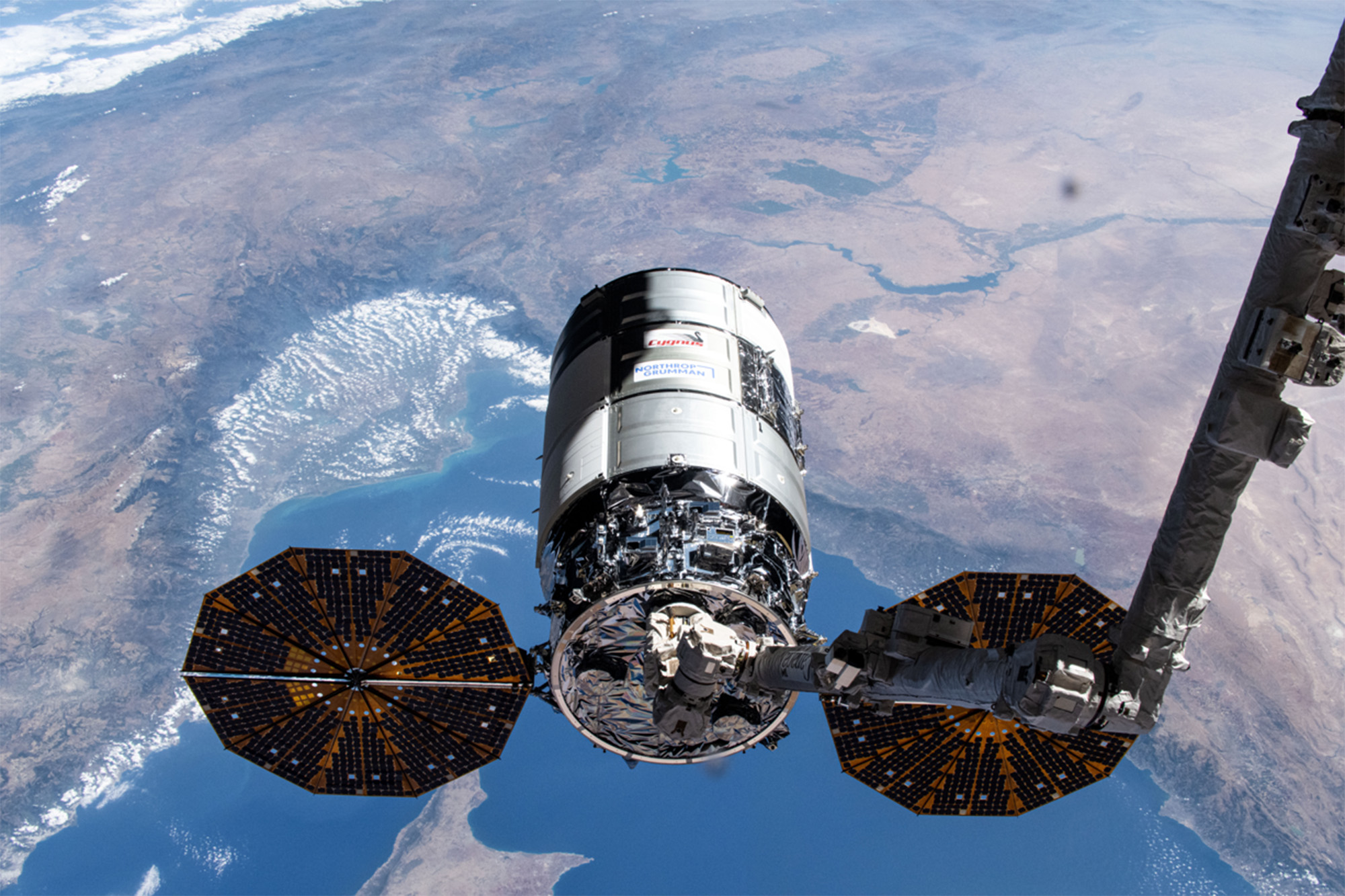
Cygnus XL will reach preliminary orbit about 10 minutes after launch and deploy its solar arrays roughly 1 hour 45 minutes later. NASA astronauts Jessica Watkins and Luke Delaney will capture the spacecraft using the station’s Canadarm2 robotic arm at approximately 2:35 a.m. Tuesday, Dec. 1.
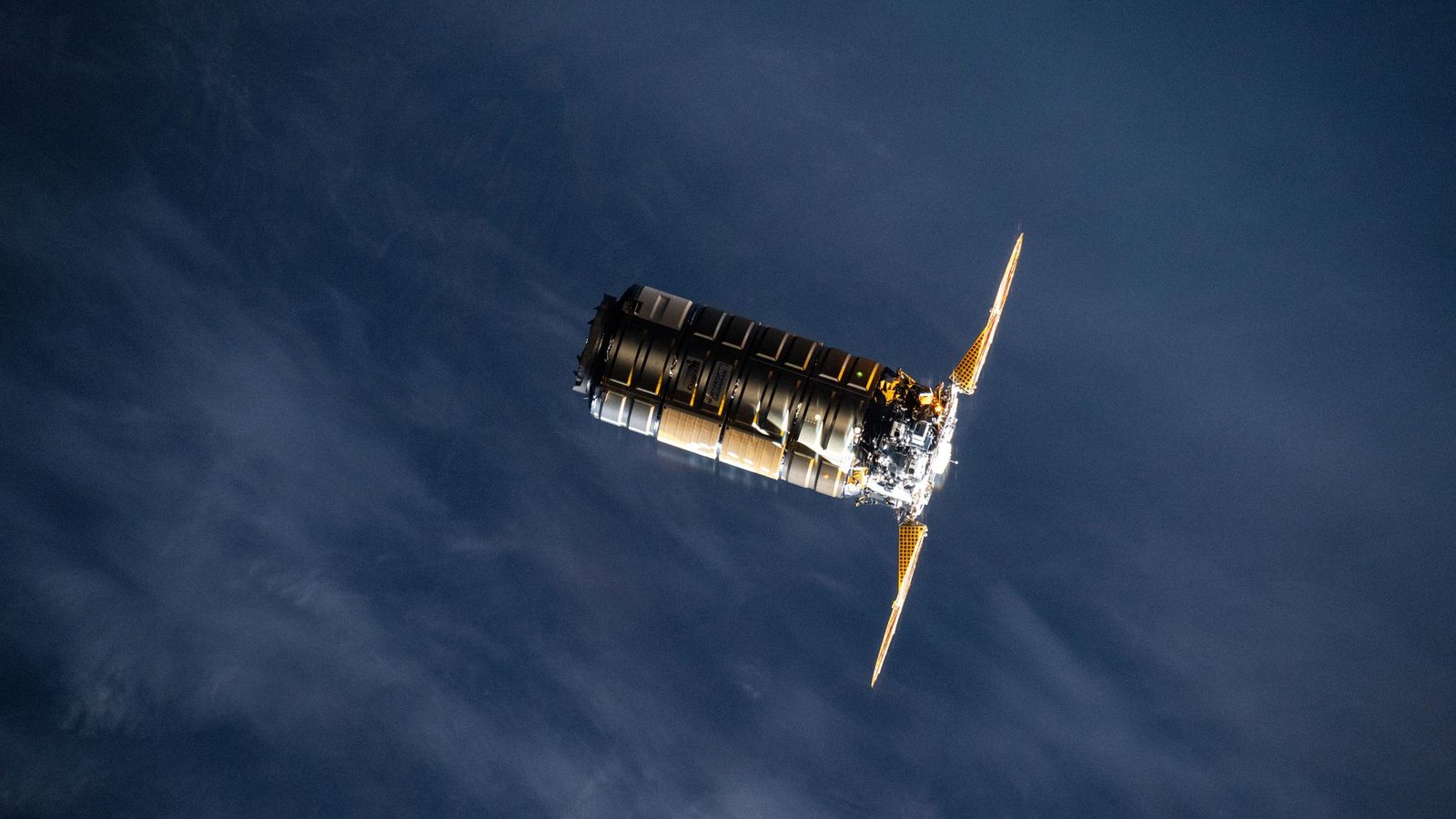
Ground controllers at Johnson Space Center in Houston will then remotely berth it to the Earth-facing port of the Unity module. The spacecraft is expected to remain attached until May 2027, after which it will depart loaded with several thousand pounds of waste and burn up during atmospheric reentry.
One Falcon 9 Flight Left for Cygnus on Manifest
Since 2024 every Cygnus launch has flown on Falcon 9, a shift that followed Antares 230 retirements and preceded the still-undated Antares 330. Northrop Grumman vice president for civil space and sciences Dave Schiller confirmed the company has “one additional Falcon 9 on the manifest for Cygnus” after this mission, but declined to name a readiness date for the Northrop-owned Antares 330.
That leaves the station’s U.S. cargo logistics — both Cygnus and SpaceX’s own Dragon — reliant on a single launch provider for the near term.
Falcon 9 launches its fifth @northropgrumman Cygnus cargo mission to the @Space_Station pic.twitter.com/1J7TzdbzRi
Launch Visible Across Florida Coasts
Rocket launches are most visible from the Space Coast, where they originate, and are often visible from the Treasure Coast and Volusia County as well, Bradenton Herald reported. Weather permitting and depending on cloud cover and trajectory, a rocket launch from Space Coast could be visible as far north as Jacksonville Beach and as far south as West Palm Beach, the same outlet noted.
Sunday’s launch adds to what has been a comparatively quiet year along the Space Coast, Hoodline reported. The region is on pace for 62 launches in 2026, with all but eight flown by SpaceX, a steep drop from the record 109 launches in 2025 that were also led by the company, according to the Sentinel’s reporting cited by Hoodline.
Northrop Grumman Shifts Launch Providers
In August 2022, Northrop contracted Firefly Aerospace to build a new first stage with seven Miranda engines producing 7,200 kilonewtons of thrust, about 1.6 million pounds of force, Tech Times reported. United Launch Alliance flew six Space Coast launches in 2026 but suffered first-stage booster issues on its Vulcan rocket earlier in November that led to the loss of an Amazon payload; ULA is still working to determine what went wrong, Hoodline reported.
Toilet Part, Spacewalk Tools and Sensor Batteries Also Fly
A modified toilet pretreat hose needed to operate the universal pretreat concentrate tank in the Universal Waste Management System toilet; Alpha Magnetic Spectrometer specific spacewalk tools to be used during upcoming spacewalks; and Anomaly Gas Analyzer batteries required to power various sensors on station are also aboard, Mirage News reported.
LIVE: We're sending science, supplies, holiday cookies, and much more to the @Space_Station. @NorthropGrumman's Cygnus XL cargo spacecraft is scheduled to lift off at 10:47am ET (1547 UTC). https://t.co/7PSFsymg4N
The research may help accelerate development of treatments for age-related muscle loss on Earth and support astronaut health during long-duration missions, Mirage News reported, citing the Cardinal Muscle 2.0 investigation that uses microgravity to explore potential treatments for muscle loss.
NASA announced on 27 November 2026 that its Biological and Physical Sciences Division will fly a first-of-its-kind space crop production system and a brain-tissue fluid-handling experiment to the International Space Station on Northrop Grumman’s 25th Commercial Resupply Services mission, CASRAI and NASA reported. The AVATAR-Org4 investigation aims to validate a specialised, automated system for maintaining human brain tissue models during spaceflight, CASRAI reported.

Cygnus Named for Apollo 13 Commander
Northrop names each Cygnus after a person who made significant contributions to human spaceflight, Tech Times reported. This spacecraft honors James “Jim” A. Lovell Jr., who flew four missions including Apollo 8, which helped pave the way for the first Moon landing, and Apollo 13, which he commanded after an oxygen tank failure forced the crew to abort its lunar landing, shattered.io reported.
People type “NG-25,” “CRS-25,” “Cygnus XL launch” and “SpaceX launch today Cape Canaveral” depending on whether they came from NASA’s blog, a Florida newspaper or a launch-tracking site, shattered.io reported.
Weather and backup window
Forecasts showed a 75 percent chance of favorable conditions, with a thick cloud layer rule the primary concern. Had weather scrubbed Sunday’s attempt, the next opportunity was 10:24 a.m. EST Monday, Nov. 30 — 23 minutes earlier, driven by orbital mechanics as the station’s ground track shifts.

Latvia Coalition MP Petitions to Ban Russian, Belarusian Grain Transit
A petition calling for a complete ban on the transit of Belarusian and Russian grain through Latvia was...

How a Daily ‘Switchboard’ Call Keeps Three Friends Connected Through Life’s Chaos
In a guest column for The Washington Post, author Emily Nemens describes how brief, routine phone calls during...

VisionQuest Concludes WandaVision Trilogy With Raw Finale
What is grief, if not love persevering, Ultron tells Vision in the VisionQuest finale.
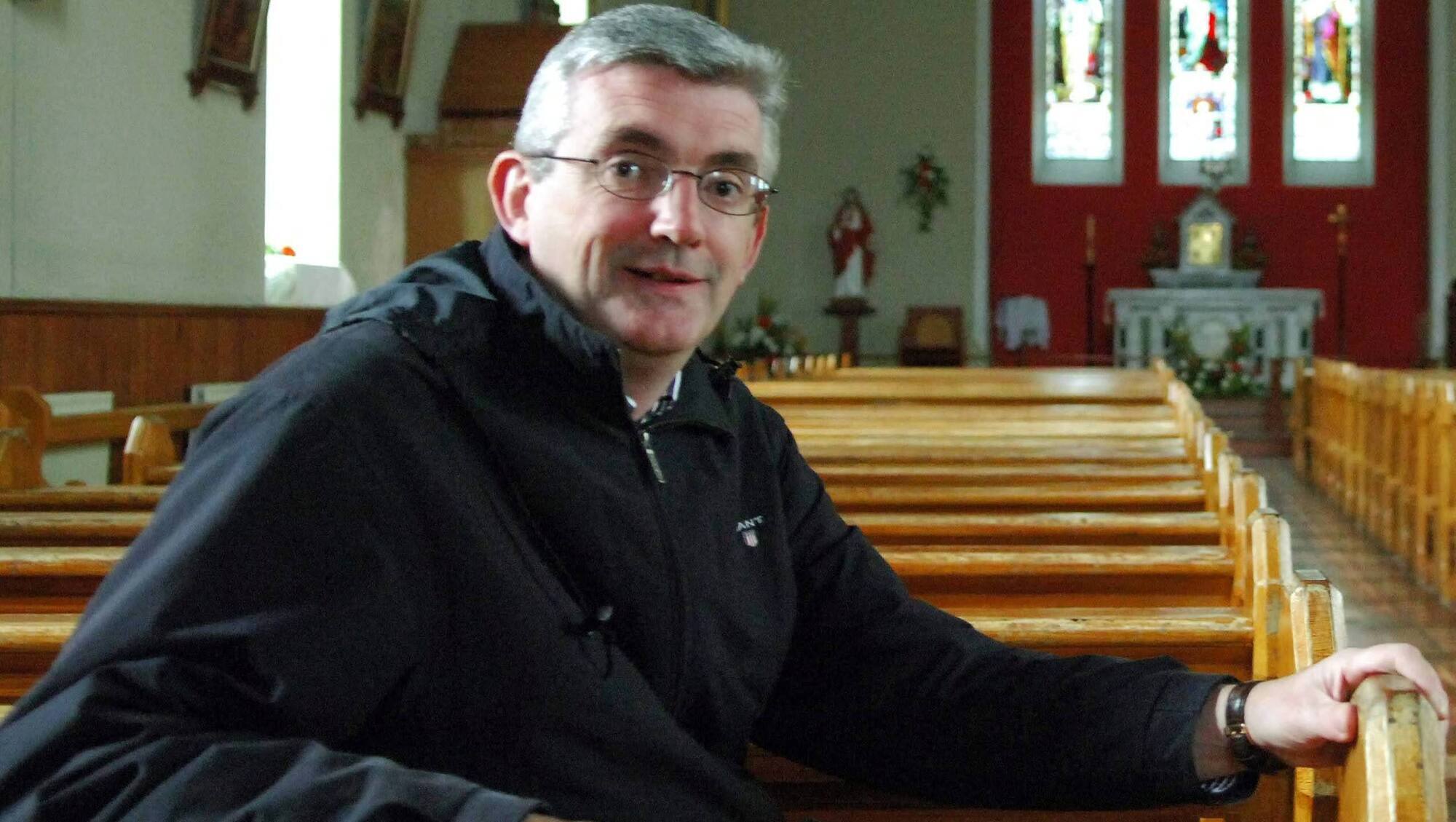
Canon Bill Bermingham, Youghal Parish Priest, Dies
Canon Bill Bermingham, parish priest of Youghal, died last Thursday, the Cloyne diocese said. Fr Jim Moore, diocesan...