Charleston and Dorchester Voters Back Penny Sales Tax to Fund School Construction
Voters across Charleston and Dorchester counties have thrown their support behind referendum measures to fund school construction projects, according to early returns reported by the South Carolina Elections Commission. In Charleston County, nearly 69 percent of voters approved a six-year extension of the 1-cent sales tax, with roughly 52 percent of precincts reporting as of about 10 p.m. Meanwhile, adjacent Dorchester County saw a 60 percent approval rate across all precincts, marking the first time the Dorchester County School District brought the sales tax question to voters.
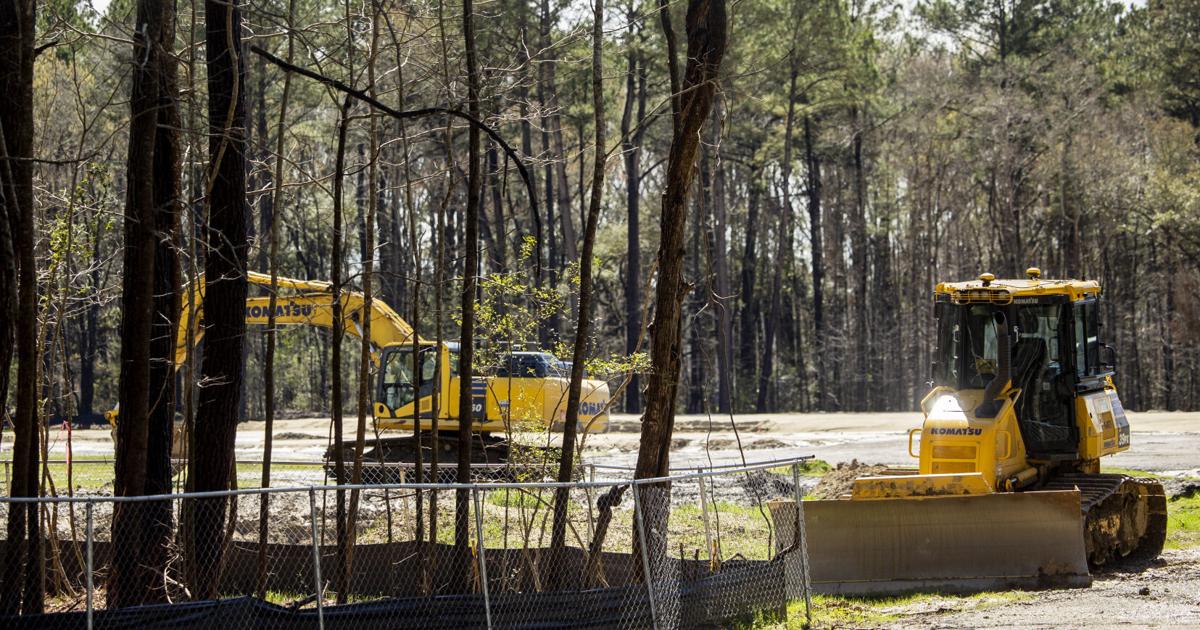
The outcomes dictate the financial roadmap for local school districts. The Post and Courier reported that Charleston County’s renewed levy is projected to generate $1.25 billion. That money targets specific capital investments, including a new elementary school in the upcoming Long Savanna development in West Ashley, along with building additions, multipurpose rooms, and other upgrades. Several charter schools—including Orange Grove Middle, Pattison’s Academy, and East Cooper Montessori—are also included on Charleston’s list of projects.
How Dorchester Districts Will Divide the Revenue
Collection for the newly approved Dorchester County tax is scheduled to begin April 1, 2027. An 85/15 split will be used by Dorchester District Four and Dorchester County School District Two to share the 688.2 million anticipated from the tax. DD2 plans to construct a new school around Highway 61 and Delemar Highway alongside renovations at various high schools and middle schools. DD4 intends to fund a building replacement, portable classrooms to absorb student growth, and other building upgrades.

State law has authorized a one-cent county sales tax for specific school capital improvement projects since 2008, subject to voter approval. School districts receive one cent from every retail dollar spent for construction and capital improvements under the penny sales tax program. Essential purchases like groceries and personal hygiene products remain exempt from the tax, while tourists contribute significantly whenever they shop, dine, or stay in counties where voters have approved the tax.
State statutes strictly prohibit school districts from using the revenue to fund operations or teacher and staff salaries. It must only be used for capital needs. Districts are mandated by the legislation to dedicate 10 percent of their sales tax proceeds toward paying down existing debt funded by property taxes, which in turn decreases debt millage—the specific tax rate utilized by school districts for bond interest and debt repayment.
Related reading
Marsha Blackburn Elected Tennessee governor in close race
Marsha Blackburn Elected Tennessee Governor in Historically Close Race “As governor, one of the first things that I...

61% of South Dakota Voters Approve Amendment K to Boost Fund Returns
Voters Hand South Dakota Investment Council Control of Unclaimed Property South Dakota voters on Tuesday passed a ballot...
Democrat Annie Andrews Defeats Trump-Backed Darline Graham in South Carolina Senate Upset
South Carolina Rejects Trump’s Senate Pick as Annie Andrews Flips Seat South Carolina voters appeared to be choosing...

Providence voters overwhelmingly approve divestment ballot measure
Providence Voters Approve Divestment Ballot Measure “It’s an enormous demonstration of what we already knew going into the...