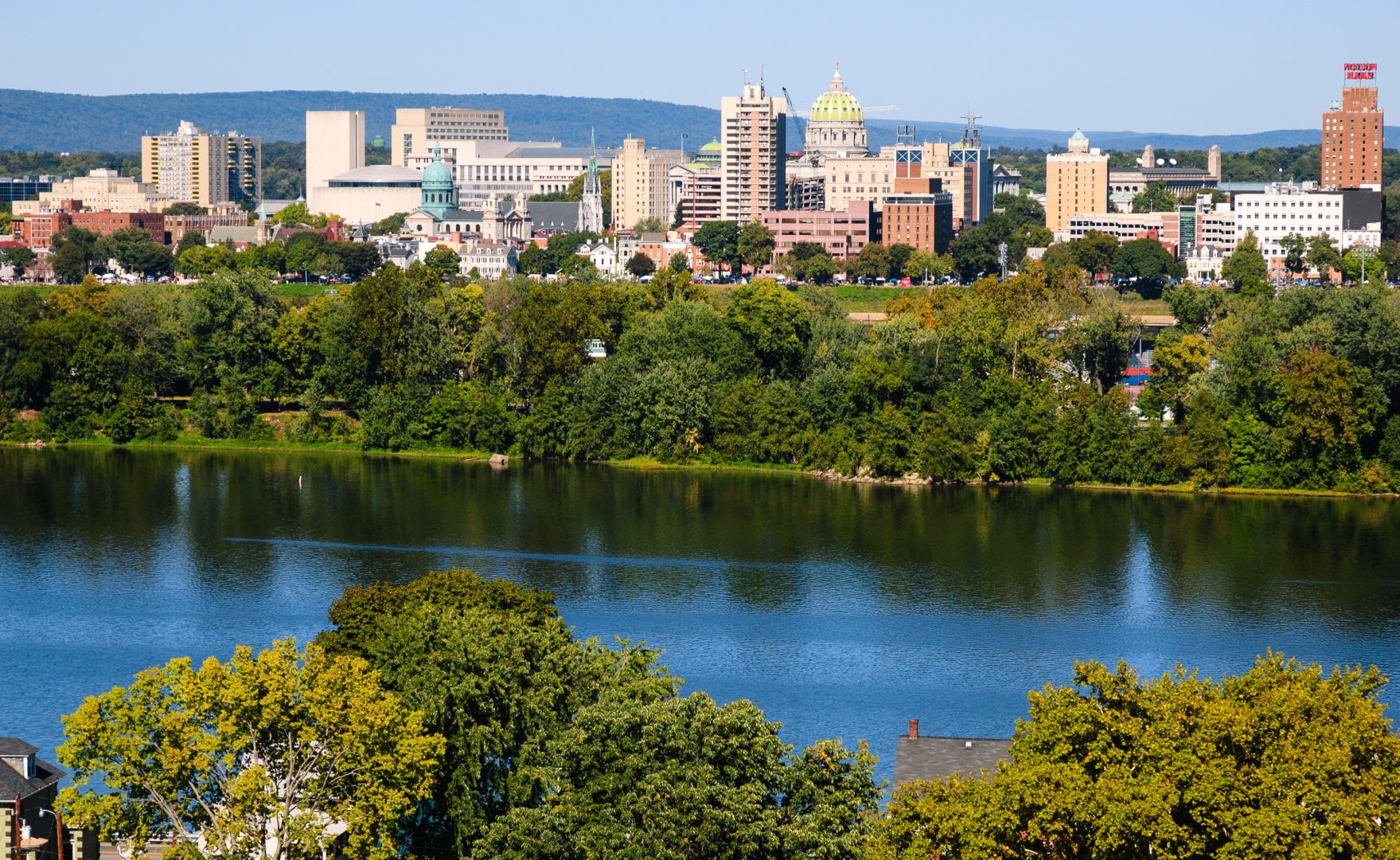
A Historic Milestone for the Chesapeake Bay
Forty years of data collection and advocacy have finally yielded a milestone. According to the newly released 2026 Chesapeake Bay Report Card, the bay has achieved its highest overall health grade ever, landing at a C+ or a 56 out of 100. WITF reported that improved water quality flowing out of the Susquehanna River, the bay’s largest tributary, deserves a substantial share of the credit for this upward shift.
“It’s a 56 out of 100. We have never achieved that before, but it does highlight how far we have to go. We are nowhere close to where we want to be,” says Dr. Heath Kelsey of the University of Maryland Center for Environmental Science (UMCES). Kelsey points out that while the numbers show progress, the region remains a long way from where they want to be.
The annual evaluation relies on water samples gathered from 120 distinct sites across the previous year. Evaluators measure seven core parameters: dissolved oxygen, chlorophyll a, benthic community, aquatic grasses, total phosphorus, total nitrogen, and water clarity. Because the Susquehanna River supplies about 50 percent of the freshwater entering the bay, its ecological health directly impacts the broader watershed.
Decades of Upgrades Finally Pay Off
The path to this grade has been long. Alexandra Fries, UMCES project lead for the annual report card, notes that the bay hit a historical low with a 36 percent score in 2003. For decades, overall health achieved 55 percent only twice before positive trends finally took root starting around 2017.
“Overall, the water quality that is coming out into the Chesapeake Bay from the Susquehanna is improving, and that is reflected in the report card score for the Upper Chesapeake Bay,” Kelsey says.
Behind these improving numbers are infrastructural investments made years ago. Upgrading wastewater treatment facilities to remove more nitrogen and phosphorus from wastewater is finally paying dividends. At the same time, agricultural best management practices are curbing non-point source pollution—runoff driven by rainwater, stormwater, urban or agricultural landscapes, and forests.
Land conservation has also acted as a powerful ecological shield. The West Branch of the Susquehanna region now boasts an ecological score of 79 percent, placing it nearly in the A category. Fries attributes this success to the fact that more than 30 percent of the land in that sub-watershed—stretching from Northumberland to Williamsport, Lock Haven to Clearfield and State College—is protected. This local milestone mirrors an ambitious global conservation initiative aiming to protect 30 percent of the Earth’s land by 2030.
Struggles in the Lower Basin and Urban Runoff Realities
Despite the broader triumphs, the 2026 report card lays bare regional divides. While the Upper Susquehanna earned a B- and the Middle Susquehanna climbed to a B, the Juniata River watershed received a C due to temperature stress on cold-water habitats driven by a warming climate.
The health of the Chesapeake Bay is improving, experts said in this year's report card.https://t.co/mreRlnnOYH pic.twitter.com/AlMEJv1uQF
The most glaring blemish on the map, however, sits in the south. The Lower Susquehanna region—encompassing Dauphin, York, and Lancaster counties—stands out as the only part of the entire Chesapeake watershed coded with a bright orange D+.
Kelsey explains that this corridor contains the major urbanized areas within the Susquehanna watershed, including Harrisburg, York, and Lancaster. Within these areas, specific water quality metrics like conductivity struggle, registering 27 percent. Conductivity measures the concentration of salts and ions in the water, a direct indicator of whether aquatic habitats remain suitable for fish and macroinvertebrates.
“Salt can permanently pollute our freshwater resources, drinking water, infrastructure,” Fries warns, urging homeowners to reconsider how heavily they salt their own properties. Simple behavioral shifts, such as using a fraction of the salt typically applied to a driveway, can safeguard local streams.
Experts emphasize that turning the corner for the Lower Susquehanna will require time and effort. As population increases, developed land, intense agriculture, and shifting climate patterns continue to test the watershed, the path forward relies heavily on local stewardship and a collective bottom-up approach to watershed health.
Worth a look

Simon Danos Peltekian Leads Princeton High Boys Soccer to CVC Tournament Semifinals
Princeton High Boys Soccer Advances to CVC Semifinals Senior forward Simon Danos Peltekian contributed a goal and an...

3rd Annual Holiday Craft Show to Bring 125 Artisans to Concord, NH
The Capital City Holiday Craft & Artisan Show will hold its 3rd annual two-day shopping event on Saturday,...
Nevada County Removes Private Signs From Road Rights-of-Way
Nevada County Public Works announced an active crackdown on private signs placed within county road rights-of-way, citing increasing...

Legendary Nebraska Broadcaster Kent Pavelka Announces Retirement
One of the most recognizable voices in college athletics is stepping down from the microphone. Longtime Nebraska play-by-play...