Cheyenne Officials Clash Over Rapid Data Center Expansion
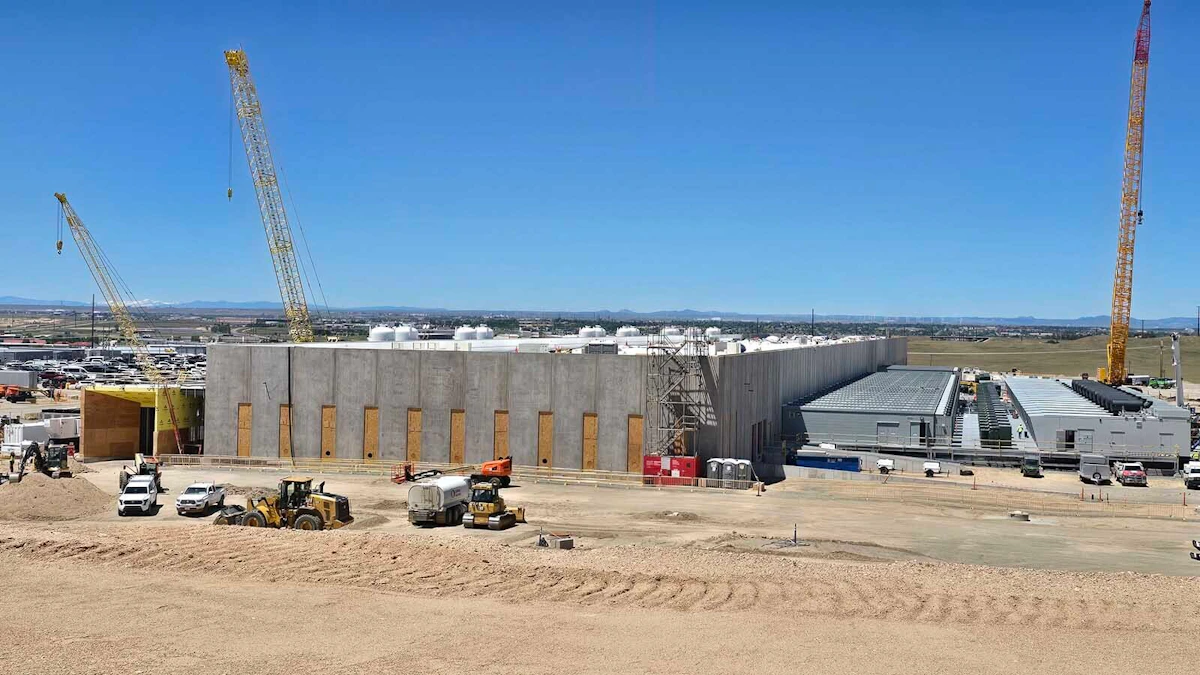
The Cheyenne Public Services Committee moved forward with proposed amendments to the city’s Unified Development Code on Monday, advancing a set of regulations aimed at managing the massive influx of data center construction in Laramie County. The decision, which passed on a 2-1 vote, comes as the city faces an unprecedented industrial shift that has divided local leadership over whether the government is moving too fast or too slow to protect residents.

The debate centers on whether current city planning can keep pace with the scale of projects like Meta’s “Project Cosmo” in south Cheyenne. While some officials argue that the city must act immediately to mitigate the impacts of noise, water use, and traffic, others warn that the technical complexities of the industry require more careful, long-term study before permanent rules are set in stone.
According to a report from Cowboy State Daily, the proposed changes would update the city’s 2012 development code to address modern industrial realities. The amendments would establish formal requirements for construction sites, including stricter rules for lighting, traffic management, and the cleanup of development properties once work is completed.
The Debate Over Speed and Technical Expertise
Council member Pete Laybourn emerged as the primary voice of caution during the committee meeting, voting against the amendments. He argued that the city is attempting to regulate a highly technical and rapidly evolving industry without a full grasp of its long-term consequences.

“This is the most massive industrial development the city has ever seen,” Laybourn said. “It is absolutely without comparison.”
Laybourn questioned if city staff possess the necessary technical depth to oversee developments that may eventually include on-site electricity generation. He expressed concern that the proposed rules, which have taken shape in less than 60 days, might be too vague to be effective or too rushed to be right. “Why not do it right the first time?” he asked.
Other council members, however, view the delay as a luxury the city no longer has. Council member Kathy Emmons used a blunt metaphor to describe the current situation, noting that many data center developments have already been approved. “The horse is already out of the barn,” Emmons said. “Now we’ve got to figure out what to do with the horses — where they’re going to live, what they’re going to eat.”
Water Consumption and Noise Mitigation
Beyond general construction, the heart of the controversy lies in the specific environmental footprints of data centers. Large-scale digital infrastructure requires immense amounts of energy and cooling, often involving significant water usage and the generation of constant industrial noise.

The proposed amendments include several targeted restrictions:
- Water Efficiency: Requiring data centers that use water for cooling to employ closed-loop systems. This follows an incident earlier this year where a Meta data center’s construction reportedly resulted in the contamination of the city’s sewer reuse system with a rare bacterium.
- Noise Controls: Establishing “discernible noise” standards at property lines and prohibiting rooftop cooling fans unless they are enclosed. This aims to prevent the need for massive sound barriers that can sometimes exceed the height of the buildings themselves.
- Infrastructure Capacity: Clarifying requirements for water, sewer, and other utilities to ensure the city’s infrastructure can handle the load before projects move forward.
Council member Dr. Mark Rinne, who sponsored the ordinance, emphasized that the goal is to prevent inefficient practices from becoming the local standard. “I want an ordinance that prohibits inefficient cooling systems for data centers,” Rinne said. He acknowledged that the rules might need further updates as the industry evolves, but argued that “you learn as you go.”
Impact on Local Residents and Property Owners
The push for regulation is fueled by growing anxiety among residents who live near existing or planned facilities. Data center density in the area is increasing rapidly; local economic development organization Cheyenne LEADS reports 10 operational data center locations in Cheyenne and Laramie County, with five under construction and nine more in the planning stages.
Residents have expressed concern that industrial growth is encroaching on residential quality of life. In correspondence reviewed by Cowboy State Daily, Laramie County property owner Wendy Volk highlighted the issues surrounding the CleanSpark facility, a bitcoin mining and digital infrastructure campus. Volk noted that sound-mitigation walls intended to block noise have inadvertently created new problems by obstructing views for neighboring properties.
“A noise mitigation solution should not create a new land-use problem for neighboring properties,” Volk wrote, urging officials to consider the cumulative effects of development, even for projects located just outside city jurisdiction.
The matter is now set to move to the full City Council for consideration next week, where officials must decide if these immediate safeguards are sufficient to manage Cheyenne’s transformation into a major digital infrastructure hub.
Related reading

How the Brewers’ Manufacturing Offense Outperformed the White Sox’s Power Approach
Milwaukee wins the World Series without a single home run in Game 5 “We’re choosing hard,” Milwaukee manager...
Seattle Students Launch ACE Mentor Program for Architecture and Engineering
More than 400 Seattle students begin ACE Mentor Program kickoff More than 400 high school students across the...

Bradley Browne Schinke, Appleton business owner and musician, dies at 55
Bradley B. Schinke dies in Appleton at age 55 Bradley Browne Schinke, a longtime business owner, musician, and...

Taine Club Explores Iron Horse River Trail Storywalk Project
Montpelier Public Library expands outdoor literacy with Iron Horse River Trail Storywalk Families in Montpelier now have a...