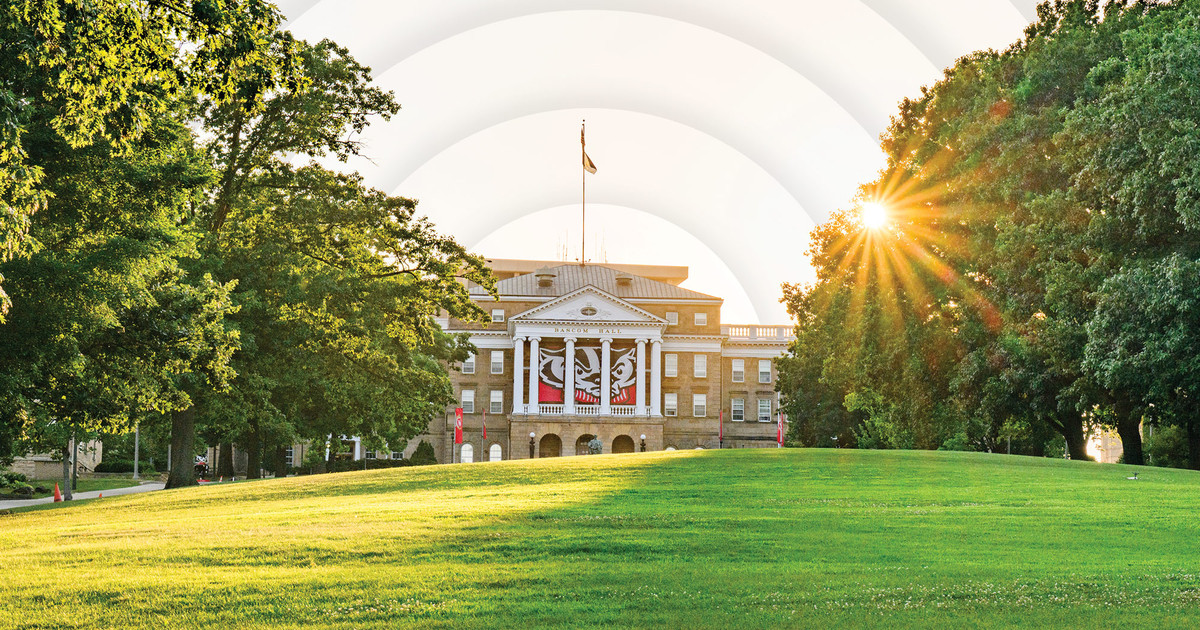
UW–Madison climbs to No. 11 for best value among public universities
The University of Wisconsin–Madison has secured a top-tier position in the latest national rankings for higher education, jumping six spots to land at No. 11 for “best value” among public schools. According to the 2027 rankings released by the Princeton Review, this upward movement reflects a significant increase from the university’s No. 17 position reported in June 2025.
The “best value” designation isn’t just a badge of prestige; it is a calculated measurement of return on investment. The Princeton Review determines these rankings by weighing academic quality against the actual costs of attendance and the availability of financial aid. For many families facing the rising tide of tuition costs, this shift suggests that the university is successfully balancing high-level research and academics with accessible pricing models.
Clemson University named best in the South by The Princeton Review; earns top rankings for school spirit, athletic facilities and career services – Charleston Daily – https://t.co/DFCujGw5BX#CharlestonDaily #Clemson #SouthCarolina #ClemsonUniversity pic.twitter.com/P394mEVGYU
In a statement regarding the university’s trajectory, interim Chancellor Eric Wilcots emphasized the institution’s dual mission of academic excellence and affordability.
“This ranking reflects our deep commitment to life-changing research and providing a world-class education and exceptional college experience while ensuring that our students and their families can afford to attend UW–Madison,” Wilcots said.
The university’s climb is mirrored by improvements in its financial aid standing. The Princeton Review now places UW–Madison at No. 5 among public schools for financial aid, a two-spot increase from its previous No. 7 ranking.
Financial aid programs drive student accessibility
The economic reality for modern undergraduates is often defined by debt, but the data at UW–Madison shows a different trend. During the 2024-25 academic year, nearly 57% of all undergraduates received some form of financial assistance, which included approximately $129 million in scholarships. This level of support contributes to a notable outcome: two-thirds of Badgers graduate without any student loan debt.
Several targeted programs underpin these numbers, specifically designed to mitigate the financial barriers for different demographics:
- Bucky’s Tuition Promise: Provides free tuition and fees for incoming freshmen and transfer students with family incomes of $65,000 or less.
- Bucky’s Pell Pathway: Guarantees that the full financial need of Pell Grant-eligible first-year and new transfer students is met.
- Wisconsin Tribal Educational Promise: Covers the full cost of attendance for Wisconsin residents who are enrolled members of recognized Wisconsin American Indian tribes.
- Badger Promise: Supports first-generation students who have graduated from select two-year UW Colleges or liberal arts associate programs.
- BANNER program: Assists non-resident students from low-income households.
While these programs bolster the university’s “best value” profile, the conversation around public university funding often involves a tension between maintaining elite research capabilities and keeping tuition low. Critics of large public institutions frequently point to the administrative bloat or the rising cost of specialized facilities as drivers of tuition hikes. However, the current data suggests that UW–Madison is leveraging its donor base to offset these costs. In the 2025-26 fiscal year, the Wisconsin Foundation and Alumni Association set a record by transferring more than $548 million to support the university.
Career outcomes and a growing alumni network
A university’s value is ultimately measured by what happens after the cap and gown are put away. The Princeton Review ranked UW–Madison at No. 16 among public schools for career placement, a metric that combines student ratings of career services with alumni salary data. The university’s internal metrics support this standing; the First Destination Survey released in March indicated that 91% of 2024-25 bachelor’s degree recipients felt the university prepared them for their next career step. Furthermore, 90% of those respondents were either employed, engaged in entrepreneurship, serving in the military, volunteering, or pursuing further education.
This professional readiness is bolstered by a massive, active network. The university’s alumni base has grown to exceed half a million living Badgers. This network was ranked No. 14 among public schools by the Princeton Review, providing a structural advantage for graduates entering the workforce.
Beyond the boardroom, the university is also being recognized for its civic engagement. It rose two spots to No. 14 in the “Schools Making an Impact” category. Notably, UW–Madison has been the top producer of Peace Corps volunteers since 2017. On campus, the Morgridge Center for Public Service facilitates the Badger Volunteers program, which has contributed more than 320,000 service hours to the Madison community and beyond.
While the Princeton Review focuses on value and career readiness, global benchmarks offer a different lens on the university’s stature. In the 2027 Times Higher Education World University Rankings—which evaluated 2,297 institutions across 118 countries—UW–Madison placed 53rd globally. In that specific assessment, the university saw its highest marks in Research Quality and Industry, the latter being measured by patents and income generated from research.
The intersection of these rankings suggests a university that is attempting to satisfy two different masters: the global research community that demands high-impact innovation, and the local student population that demands a path to social mobility without the crushing weight of lifelong debt.

Wyoming Game and Fish Warns Pumpkin Disposal Can Harm Wildlife
Wyoming wildlife face health risks from discarded Halloween pumpkins As Halloween festivities conclude across the state, residents are...

How the Brewers’ Manufacturing Offense Outperformed the White Sox’s Power Approach
Milwaukee wins the World Series without a single home run in Game 5 “We’re choosing hard,” Milwaukee manager...
Seattle Students Launch ACE Mentor Program for Architecture and Engineering
More than 400 Seattle students begin ACE Mentor Program kickoff More than 400 high school students across the...

Bradley Browne Schinke, Appleton business owner and musician, dies at 55
Bradley B. Schinke dies in Appleton at age 55 Bradley Browne Schinke, a longtime business owner, musician, and...