
Previously, the Chicago Board of Education approved a $10.11 billion budget relying on state lawmakers to provide $150 million in extra funds for the school system, despite Springfield giving no guarantee of delivering the money. With Chicago voters getting ready to select their inaugural school board president on Tuesday, that unmet expectation has turned into a major point of contention among the three contenders as they present their remedies for the system’s unstable budget.
This fiscal gambit sits at the heart of the race, forcing a sharp debate over whether the city can muscle state lawmakers into a midyear bailout or whether the district must brace itself for painful internal cuts. Under the state’s own funding formula, Chicago Public Schools currently operates with just 70 percent of the resources deemed adequate. Yet demanding immediate cash from a state legislature facing its own rigid budgetary constraints has sharply divided the candidates vying for the school board post.
The Springfield Showdown and the Battle Over Unfunded Dollars
The politically muscular Chicago Teachers Union has long argued against classroom cuts and school closures, maintaining that the state must pitch in more money immediately. Their endorsed candidate, Hilario Dominguez, insists that the cash is entirely within reach.
“The money is there,” Dominguez said at a WTTW-Ch. 11 debate in September. “I believe the job of a school board president isn’t to predict that Springfield will say no. I believe the job of a school board president is to fight and make sure that Springfield will say yes.”
Dominguez, a former teacher and CTU political organizer, has touted his relationships in the state capital as the key to forcing lawmakers’ hands. He has floated several ways Springfield could deliver funds this year, suggesting the state tap into unexpected revenue streams, raise progressive taxes on the wealthy, or draw from a recent multi-state settlement with social media giant Meta. However, state Attorney General Kwame Raoul has already noted that the Meta settlement funds are restricted to remedying social media harms, making calls for specific budgetary spending “premature.”
The other two candidates in the race have sharply rejected the strategy of waiting on uncommitted state funds. Jessica Biggs, a current board member backed by the Service Employees International Union and billionaire Michael Sacks, voted against the budget amendment that demanded $100 million in evidence-based funding and $50 million in grants.
Campaigning on her past experience as a South Side principal during the district’s 2017 financial crisis, Biggs has warned against repeating past mistakes. Back then, an already-troubled district had to scramble for deeper cuts and more borrowing after expecting state money that never arrived under then-Gov. Bruce Rauner, who had vetoed a pension bailout bill in 2016.
“Resolving our financial challenges needs to start with being honest,” Biggs said at a WFLD-Ch. 32 debate in September. “Every state legislator that I talked to wants to see us use the resources that we have responsibly — wants to see a clear plan for the future.”
Gov. JB Pritzker poured cold water on any rescue package during a Thursday news conference in Chicago, stating that there “hasn’t really been an ongoing discussion” about supplemental money and expressing doubt that the state could midyear meet the unique financial needs of a single school district.
Audits, Closures, and Property Tax Pressures
Beyond the standoff with Springfield, the candidates hold starkly contrasting views on how to manage the district’s ballooning budget amid declining enrollment. Victor Henderson, a lawyer running as an outsider, insists that any financial reforms must wait until the district undergoes a forensic audit to root out potential waste.
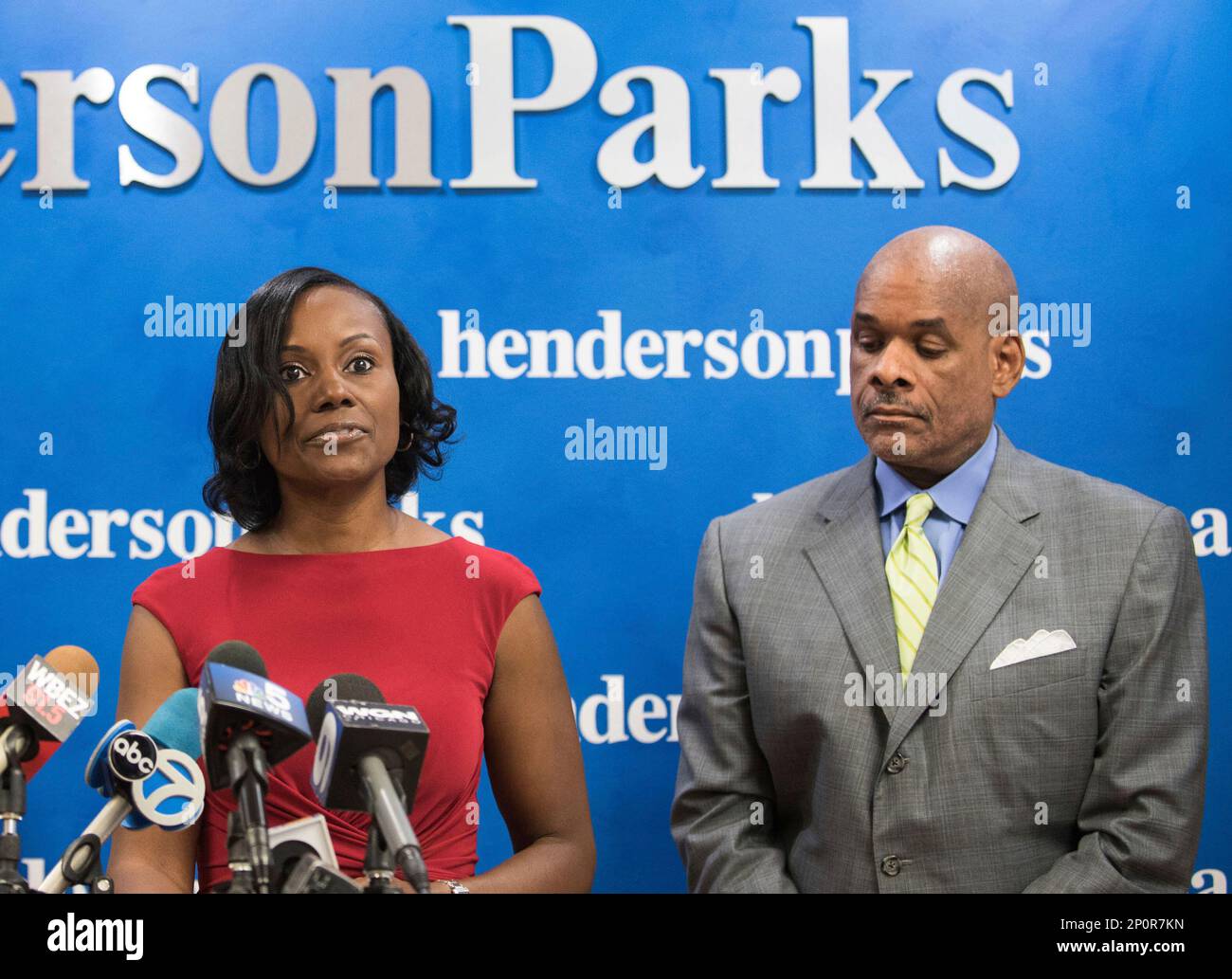
“You have two folks who have raised taxes, or say they’re gonna raise taxes, and me saying that the taxes should not be raised one single iota unless and until CPS shows that that money’s being used properly,” Henderson said at a WGN-TV debate. “And right now I don’t believe it is.”
His opponents have pushed back on that demand, pointing out that district finances are already public. Meanwhile, all three candidates face intense scrutiny over whether to lift the moratorium on school closures next year. Dominguez has fiercely opposed any closures, citing research linking them to increased community violence, and suggests instead that maximizing federal reimbursements through higher student participation in lunch programs could bolster revenue.
Biggs and Henderson have remained open to the possibility of school closures, provided they are preceded by extensive discussions with affected communities. On property taxes, Dominguez and Biggs acknowledge in questionnaire responses that the district should keep raising the property tax levy as much as possible, even as Dominguez lamented the increases as “wickedness” during a WGN-TV segment. Henderson remains steadfast against any property tax hikes until an audit proves the existing funds are spent properly.
Voters head to the polls on Tuesday to decide which path the school district will take.
Worth a look
Adrian Martinez Arrested After Threatening Deputies in Idaho Falls
Adrian Martinez Arrested After Basement Standoff in Idaho Falls An early morning call to an Idaho Falls home...

Minot State defeats Hawaii Pacific 71-70 in tournament semifinal
The Minot State men's basketball team erased an 11-point halftime deficit to defeat Hawaii Pacific 71-70 at McCabe...

Will Packer Starts Rattler Freedom Fund to Support Florida A&M
“I’m in a unique position because I work in Hollywood. I’m not in front of the camera, but...

14 Georgia Congressional Districts and Key Senate Races to Watch
Georgia Heads Toward December Runoffs as Tight Senate and Gubernatorial Races Dominate 2026 Midterms Georgia voters have once...