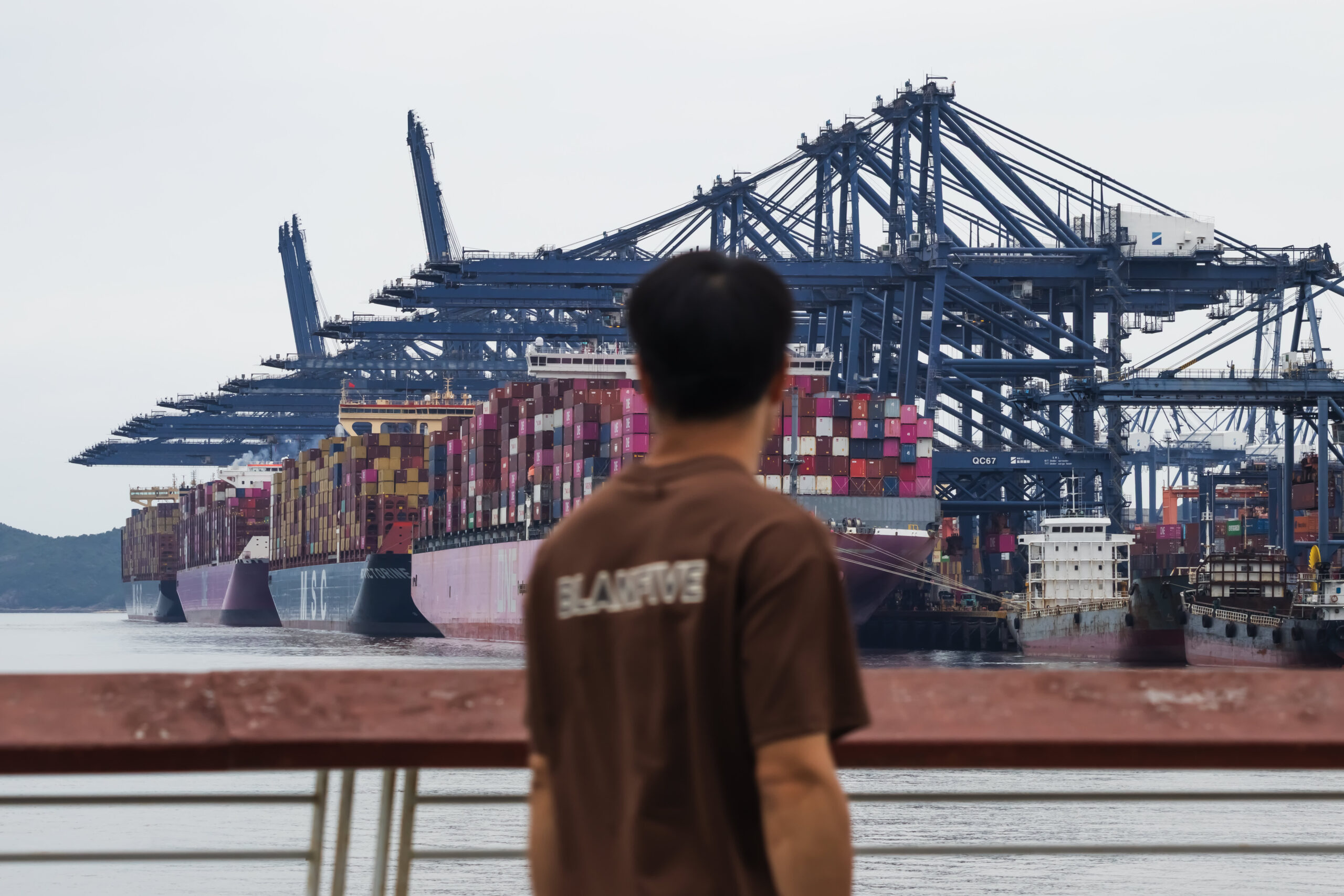
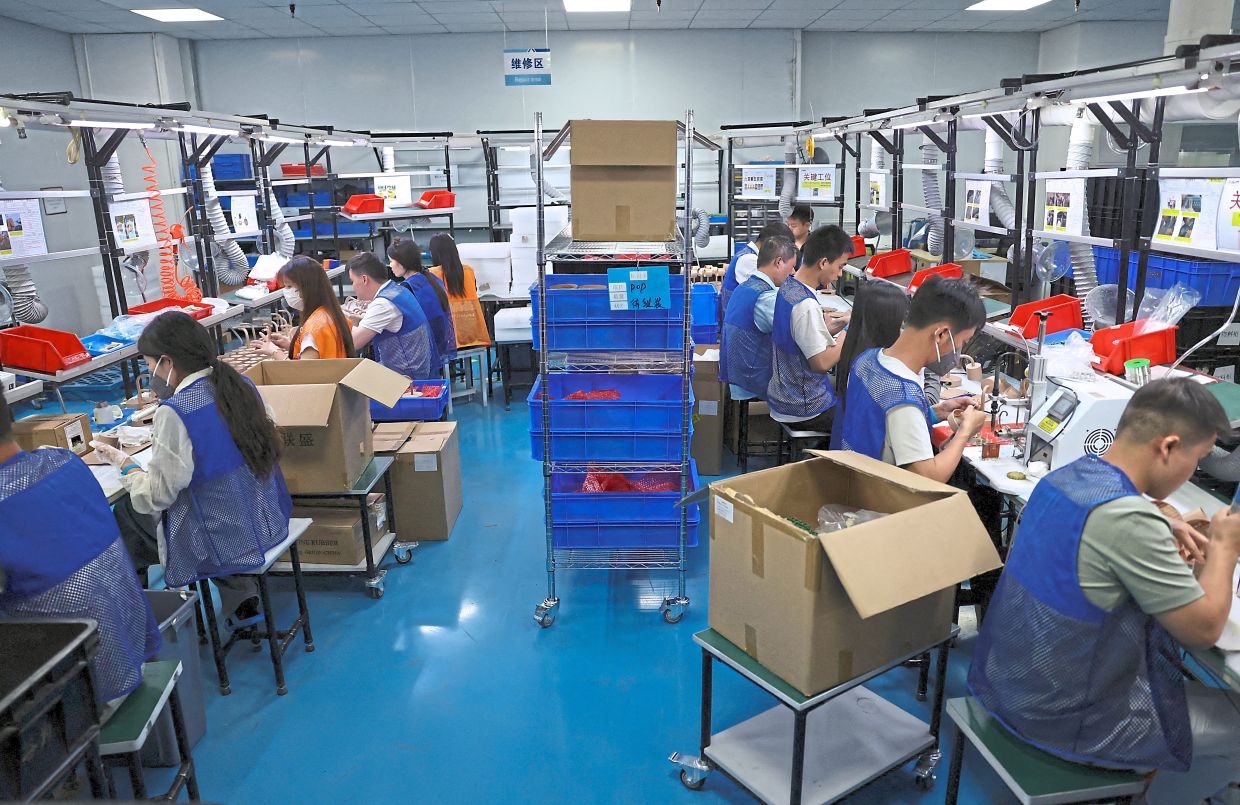
China’s official manufacturing purchasing managers’ index rose to 50.1 in September, ending a two-month contractionary streak as easing weather disruptions and strong demand from the global artificial intelligence boom helped factory activity return to growth, according to the National Bureau of Statistics.
Ended the third quarter on a higher note, with the official factory gauge climbing from 49.8 in August to 50.1 in September. That reading matched the median forecast in a Reuters poll, crossing the crucial 50-point threshold that separates expansion from contraction. Data from the National Bureau of Statistics showed the sub-index for new orders reaching 50.5, while the production sub-index advanced to 51.7. Private sector surveys reflected a similar upward trajectory, with the RatingDog manufacturing purchasing managers’ index hitting a five-month high of 52.1, up from 51.5 in the previous month.
Policy Shifts and Targeted Credit Measures in Beijing
The modest recovery in factory floors coincides with fresh fiscal and monetary interventions from Beijing. Authorities unveiled targeted measures designed to lower financing costs and channel cheaper credit into infrastructure, technology, and real estate. The People’s Bank of China expanded the quota for a bank lending support program directed at infrastructure and specialized sectors while lowering its interest rate. Simultaneously, the finance ministry introduced a one-year mortgage subsidy aimed at first-time home buyers.

Analysts remain divided on whether these interventions will fully resolve underlying economic strains. Meanwhile, a Nomura economics team characterized the latest rollout as insufficient to clear the structural barriers weighing on growth.
Despite the broader industrial uptick, economists emphasize that severe divergence persists across different sectors of the economy.
Export Reliance and International Trade Dynamics
Industrial momentum continues to draw strength from overseas shipments and high-tech manufacturing, even as domestic consumption remains subdued. The country’s global goods trade surplus is on track to exceed $1 trillion for a second consecutive year. Beyond domestic policy adjustments, international trade talks have shifted as China and the United States announced plans to pursue tariff cuts on $60 billion worth of imported goods from each other.
The bilateral tariff reduction list spans items ranging from U.S. corn and cosmetics to Chinese toys and household appliances, though notable omissions remained on both sides. Non-seed soybeans, the largest American agricultural export to China, were left off the agreement. At the same time, foreign trade partners continue to scrutinize Chinese industrial overcapacity, adding friction to overseas markets for high-end electronics and manufactured goods.
Non-Manufacturing Sectors and Economic Growth Targets
Beyond factories, the broader economy showed stabilizing signs. The non-manufacturing purchasing managers’ index, which tracks services and construction, rose to 50.2 in September compared with 49.0 in August, driven by heightened business activity in services and peak construction demand. Beijing has established a full-year economic growth target of 4.5% to 5%, following a second-quarter GDP expansion of 4.3% that marked the slowest pace in more than three years.
Keep reading

Gold Hits Seven-Week Low as Treasury Yields and Crude Oil Prices Surge
Gold hovered near a seven-week low on September 29, 2026, stabilizing after a sharp four per cent rout...


Namibia Presents Kunene Water Project to Global Investors
Namibia has presented its Kunene water project and desalination initiatives to global investors at the UN General Assembly,...

UK Borrowing Costs Reach 28-Year High as Gilt Yields Surge
UK borrowing costs reached a 28-year high on September 1, 2026, as 30-year gilt yields hit 5.89 percent.