
Christa Pike remains alive after two pentobarbital injections failed to end her scheduled execution at Riverbend Maximum Security Institution in Nashville. Her lawyers say she requires emergency medical treatment after surviving the procedure, prompting late-night court filings and intense scrutiny over the state’s execution protocol.
Last-Minute Court Battles and the Execution Chamber
The high court’s decision vacated a 2-1 ruling from the U.S. Court of Appeals for the Sixth Circuit, which had halted the procedure about an hour before it was scheduled to begin. The appellate tribunal had wanted extra time to weigh whether Pike’s newest motion concerning her history of childhood sexual abuse should be sent back to federal district court or treated as a successive habeas petition.

Originally, Pike was set to undergo a lethal injection at Riverbend Maximum Security Institution in Nashville starting at 10 a.m. CDT, or 11 a.m. EDT. An eleventh-hour stay briefly postponed her execution before the US Supreme Court cleared the procedure to move forward later that same day. Once the Supreme Court gave the green light, the Tennessee Department of Correction carried out the lethal injection procedure around 8:48 p.m. CT. However, the procedure did not unfold as planned, leaving witnesses and legal teams grappling with an unprecedented outcome.
Witness Accounts and the Decision to Draw the Curtains
Inside the execution chamber, witnesses observed a prolonged and abnormal process. According to journalists present, the execution did not reach a standard conclusion even after Pike was injected with two doses of pentobarbital, with witnesses reporting that Pike was still awake 40 minutes after she was given the dosage and that nothing we saw was normal.
Associated Press reporter Kim Chandler noted that the blinds were closed for the first time at 7:46 p.m. and reopened at 7:49 p.m., while ABC News reported that curtains were drawn multiple times while Pike continued to show signs of life.
Her mouth fell open a few times and she began to loudly snore. She gasped a few times.
Chandler observed that the curtain was drawn again at 8:06 p.m., stating, She could be heard loudly snoring, clearly very alive, in the chamber until media witnesses were told to leave the area at about 8:53pm.
Emergency vehicles were spotted outside the prison following the procedure, and execution witnesses and members of the media remained at the prison awaiting a decision. At the time of reporting, the Tennessee Department of Correction offered no updates, and a spokesperson for the agency told media witnesses she was unable to supply immediate details regarding the botched execution.
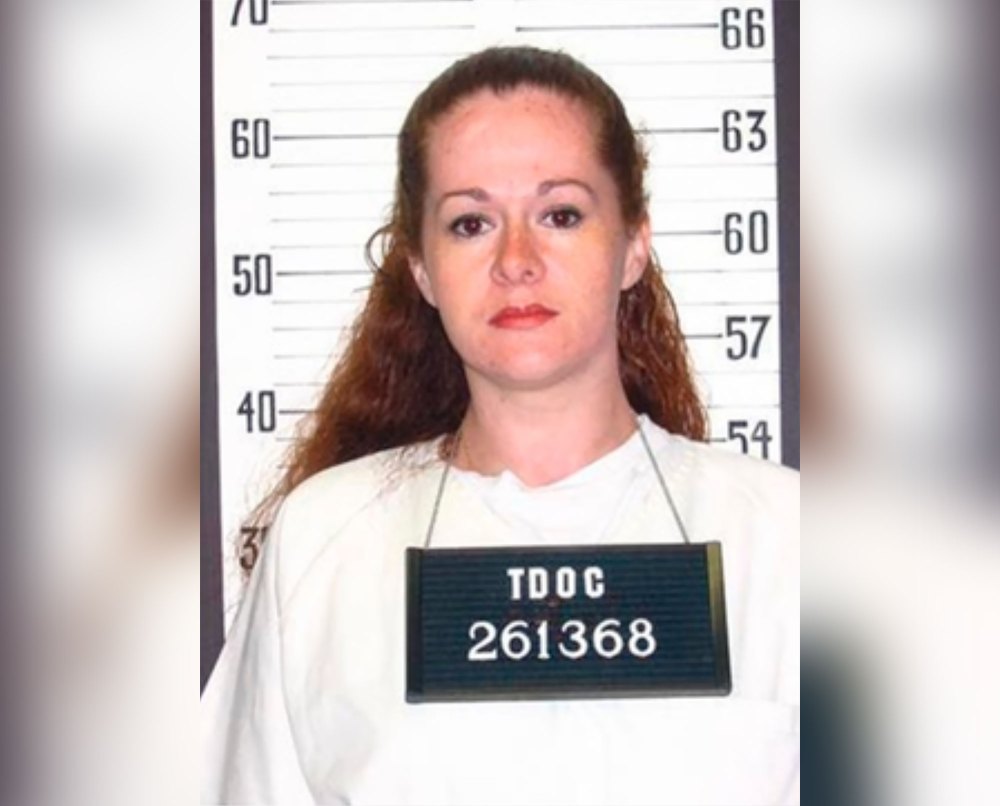
Legal Fallout and Demands for Emergency Medical Care
Kelly Gleason, an attorney for Pike, stated that her colleague Randy Spivey stepped out of the death chamber to call her with updates on Pike’s condition. Gleason reported that Pike, 50, was still alive and required prompt medical attention.
Attorney Amy Harwell drove to file an emergency motion at the Tennessee Supreme Court, while attorneys for Pike also filed an emergency motion asking the U.S. District Court for the Eastern District of Tennessee to intervene and issue a stay. Attorneys argued that the emergency filing established she never lost consciousness completely and continued to have a heartbeat after the drugs were delivered, requesting an immediate halt and arguing Pike required emergency medical treatment. Pike’s attorney told USA Today, “We take no pleasure in being right, but the concerns raised by Ms. Pike proved to be true: difficult vein access, blown veins, degraded pentobarbital, no emergency medical care available when things inevitably go wrong, all under a protocol that remains veiled in secrecy.”
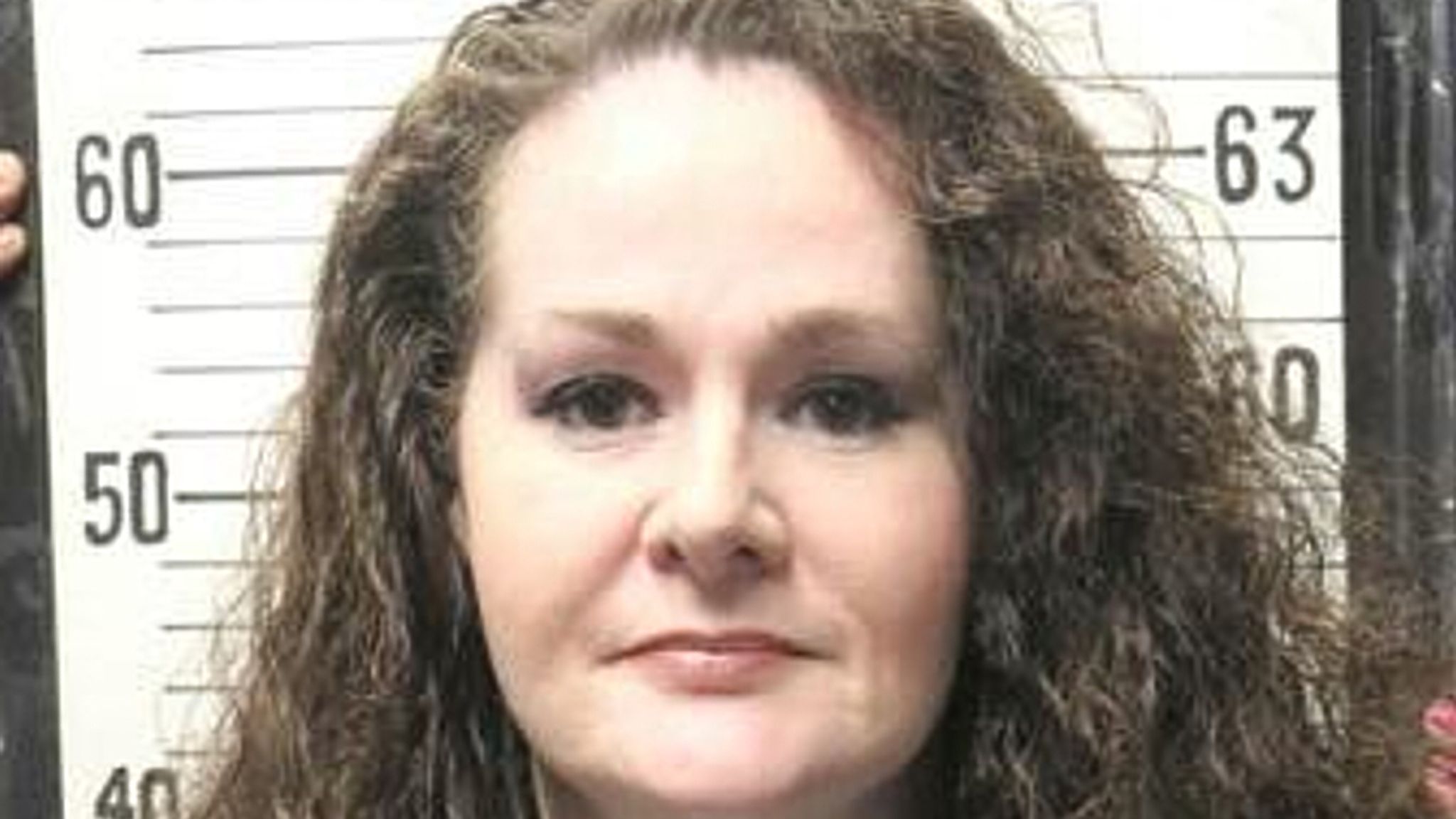
The death sentence stemmed from Pike’s role in the January 1995 murder of Colleen Slemmer, a fellow student at the Knoxville Job Corps. At the time of the offense, Slemmer was 19 and Pike was 18, having carried out the killing in a wooded area alongside Tadaryl Shipp while Shadolla Peterson served as a lookout. Pike would have been the first woman put to death by Tennessee in at least 200 years. Should Pike survive past the end of the day without being executed, Kelley Henry—the head of the capital habeas unit in the Federal Public Defender’s Office who is not involved in the case—pointed out that the Tennessee Supreme Court would be forced to schedule a new execution date.

Kenya Power Imports From Ethiopia Rise Due To Higher Local Demand
Electricity imports from Ethiopia jumped by 43.66 gigawatt-hours in the year ended June 2026, driven by rising local...

Wicknell Chivayo and Five Others Die in Zimbabwe Helicopter Crash
A helicopter crash in Marondera, Zimbabwe, has claimed the lives of six people, including prominent businessman Wicknell Chivayo.

Woman Charged With Manslaughter After Boy Drowns at Westshore Beach
A 64-year-old woman appeared in Napier District Court facing a manslaughter charge following the February drowning of a...

Indonesia Deploys Thousands to Fight Severe Wildfires Amid El Nino
Indonesian authorities are struggling to contain severe forest and land fires across six priority provinces, deploying thousands of...