
Allergen Risks at Chuck E. Cheese in Billings, Montana
Families dining at the Chuck E. Cheese in Billings, Montana, face a complex landscape of food allergens across the menu, according to recent allergen documentation released by CEC Entertainment Concepts, L.P.
The dietary information, which outlines the presence of common allergens such as wheat, eggs, dairy, soy, peanuts, tree nuts, fish, and shellfish, serves as a critical guide for parents managing childhood food sensitivities. For a venue centered on high-energy social gatherings and communal dining, the distinction between standard recipes and potential cross-contamination is a vital piece of consumer information.
The documentation notes that while allergen statements are based on standard recipes, they may vary by location. This nuance is particularly important for families in Billings who rely on precise ingredient transparency to prevent accidental exposure.
Menu Composition and Allergen Profiles
The menu at the Billings location contains a wide array of items that carry specific allergen risks. Appetizers, a staple of the Chuck E. Cheese dining experience, frequently involve combinations of wheat, egg, milk, and soy. For instance, the App Sampler Platters—whether featuring plain boneless wings, traditional wings, or wings with sweet chili sauce—all contain egg, milk, soy, and wheat, with an additional warning that they may also contain gluten.
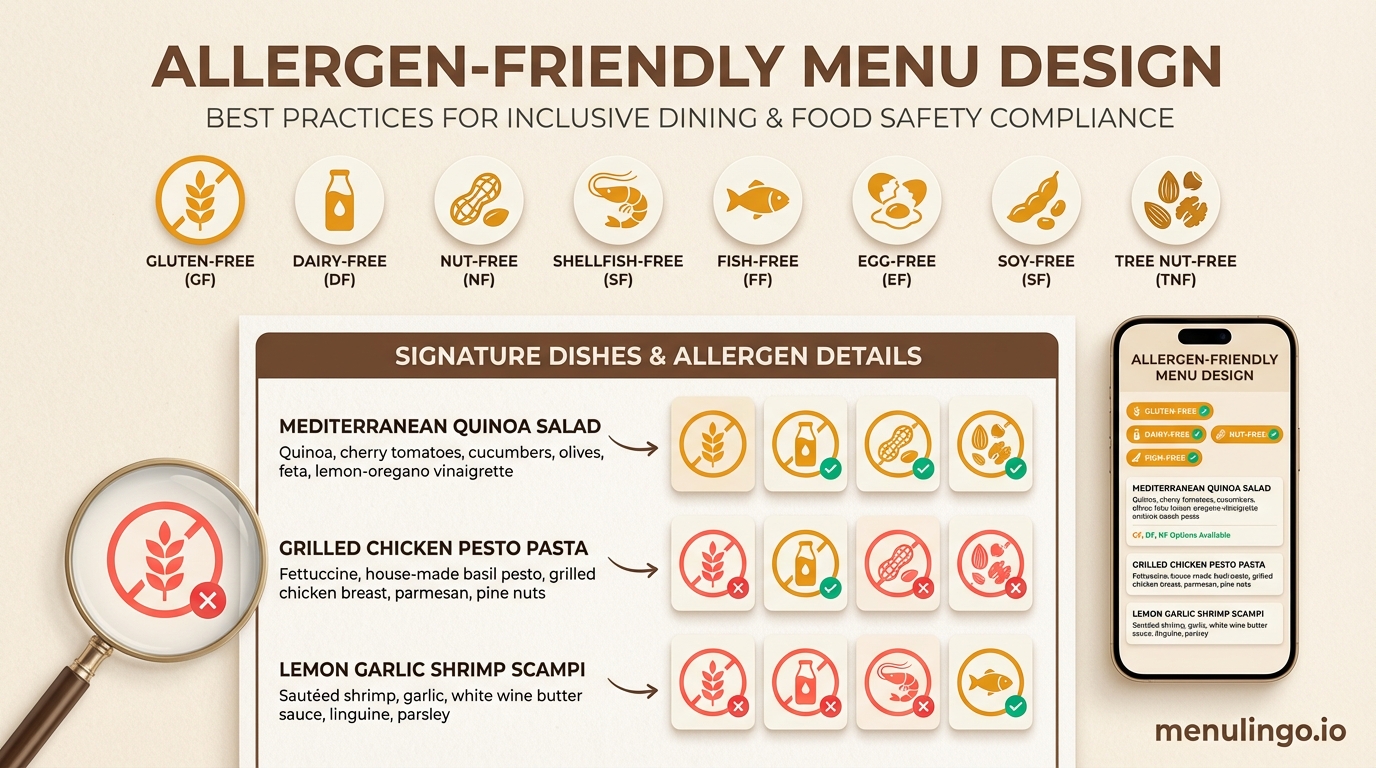
The salad bar offers a variety of components, but many items require careful selection. While fresh produce like grapes, cucumbers, and watermelon are naturally free of the listed major allergens, processed additions introduce significant risks. The salad bar includes items such as:

- Croutons: Contain milk and wheat; may also contain gluten.
- Cottage Cheese and Shredded Cheddar: Contain milk.
- Blue Cheese Dressing: Contains egg, milk, and soy.
- Potato Salad: Contains egg and soy.
- Strawberry Parfait: Contains soy.
Pizza, the core of the menu, presents a concentrated source of allergens. Most pizzas, including the 5 Meat Pizza, Homestyle BBQ Chicken, Signature Meatball, Spicy BBQ Piggy, Spicy Hawaiian, Supreme, and Veggie Pizza, contain egg, milk, soy, and wheat, and carry a warning regarding potential gluten content. The Spicy BBQ Piggy is specifically noted for containing sesame in addition to the standard list.
Even crust options vary in their risk profile. While a Gluten Free Crust is available, it still contains egg. The Stuffed Crust and Traditional Crusts both contain egg, milk, soy, and wheat.
Dessert and Ice Cream Safety Considerations
The conclusion of a meal at the Billings Chuck E. Cheese often involves sweets, which present some of the most concentrated allergen risks on the menu. Dessert platters, chocolate chip cookies, and churros all contain egg, milk, soy, and wheat, with a potential for gluten exposure.
The ice cream selection provides a diverse range of textures and flavors, but the ingredients are heavily weighted toward dairy and soy. Specific risks include:
| Item | Primary Allergens | Additional Notes |
|---|---|---|
| Cookies N Cream Ice Cream Bar/Cone | Milk, Soy, Tree Nuts, Wheat | May contain gluten |
| Strawberry/Strawberry Shortcake Ice Cream Bar | Milk, Soy, Wheat | May contain gluten |
| Big Bopper Ice Cream Sandwich | Egg, Milk, Soy, Wheat | May contain gluten |
| Brownie Batter Dippin’ Dots | Egg, Milk, Soy, Wheat | May contain gluten |
| Chocolate Chip Cookie Dough Dippin’ Dots | Milk, Soy, Wheat | May contain gluten |
Celebration cakes, such as Buddy V’s Cake in various flavors (Chocolate Fudge, Confetti, and Vanilla Rainbow) and various themed character cakes, consistently contain egg, milk, soy, and wheat. Notably, the themed cake images—including Barbie, Batman, Chuck E. Cheese, Hello Kitty, Paw Patrol, and PJ Masks—are all listed as containing soy and tree nuts.
For those navigating these options, the documentation emphasizes that menu items may come into contact with common allergens, a reality of shared kitchen environments that necessitates constant vigilance for those with severe sensitivities.
The availability of these detailed allergen statements reflects a broader trend in the food service industry toward increased transparency, a necessity as the prevalence of food allergies continues to impact pediatric health and community dining safety.
Worth a look

Ohio Wesleyan Women’s Basketball Game Highlights: OWU vs. UWP Play-by-Play
Ohio Wesleyan University faced the University of Wisconsin-Platteville in a women's basketball matchup on November 7, 2026, featuring...

Bismarck area residents honored in November 7 obituaries
Bismarck area residents honor community members in November 7 obituaries The community in and around Bismarck is marking...
The Rise of the Forward Deployed Engineer: How AI is Creating New Tech Career Paths
The AI implementation gap is creating a new class of high-demand engineers While much of the tech sector...

Man Arrested After Shooting at Santa Fe VFW Post Following Dispute
Carlos Joaquin Behrend Ramirez arrested after shooting at Santa Fe VFW Post A 44-year-old man is facing felony...