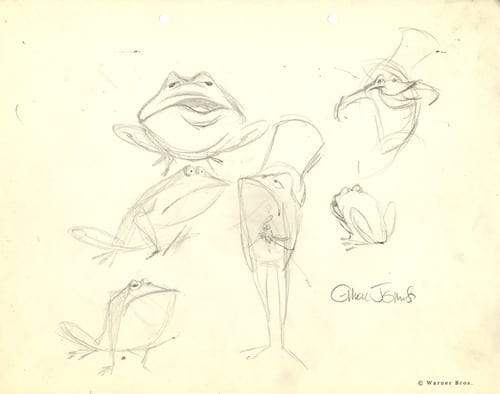
On December 31, 1955, moviegoers across the United States witnessed a debut that defied the conventions of mid-century animation. A slinky, slimy green amphibian appeared on the silver screen, eventually becoming one of the most recognizable icons in cartoon history. While the character was nameless at the time, his impact was immediate, as he systematically tormented the man who discovered him, driving the unfortunate soul to financial and personal ruin over the course of just six and a half minutes.
The Mechanics of Cartoon Believability
The success of the frog rested entirely on a foundation of hyper-realistic movement and character design. As detailed by the Chuck Jones Gallery, the creation of this character required a level of observation that went beyond standard animation techniques of the era. The animator insisted on specific anatomical quirks to ground the fantasy in a reality the audience could instinctively recognize.
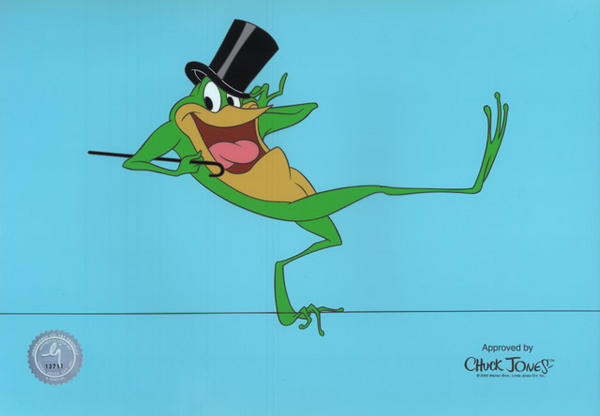
I felt I had to make the frog believable in a very short time, so when he pulls himself out of the tin he slips a little bit, and when he blinks he blinks upward. That may sound ridiculous—who knows that is the way amphibians blink? I know it, so I have to put it in, and you’d better be impressed!
This commitment to detail served a dual purpose. By establishing the frog as a tangible, physical entity, the subsequent absurdity of his performance—bursting into a rendition of “Hello! Ma Baby”—became a shock to the audience. Without the meticulous attention to the physics of a blinking frog, the musical number would have lacked the narrative stakes that made the short a classic.
Legacy and the Jones Standard
The enduring appeal of the character highlights a core principle in the work of Chuck Jones: the necessity of believability as a prerequisite for storytelling. In an era where animation was often treated as disposable entertainment, the focus on character motivation and physical logic elevated the medium. This approach ensured that the fables produced by the studio retained a vitality that lasted well beyond their initial theatrical run.
Today, the frog remains a primary example of how minor, observational details can anchor a performance. The tension between the man’s desperate attempts to profit from the frog’s talent and the frog’s refusal to perform for anyone but his discoverer serves as a timeless study in irony. It is a reminder that even in the most fantastical settings, the audience’s suspension of disbelief is earned through the creator’s refusal to compromise on the smallest, most ridiculous details.

Sayed Mohassib Charged With Murder in Brooklyn Jogger Killing
Sayed Mohassib charged with murder in Brooklyn stabbing Sayed Mohassib, 27, has been arrested and charged with second-degree...

The Mercy House Distributes Over 600 Coats to New Jersey Families
As temperatures begin to drop across northern New Jersey, a significant community effort has provided a vital safeguard...

Manchester City Release Limited Edition Blossoms Charity Shirts
Manchester City and Blossoms Launch Charity Kit for City in the Community The cultural intersection of Manchester’s indie...

Nevada Governor-elect Aaron Ford targets cost of living in office
Governor-elect Aaron Ford targets cost of living in first days of term "It's been a two-year journey talking...