
A Statistical Dead Heat in Mississippi
The Mississippi Senate race between Republican incumbent Cindy Hyde-Smith and Democratic challenger Scott Colom remains too close to call as of Wednesday afternoon. With over 95 percent of the vote tallied, the margin between the two candidates has narrowed to fewer than 100 votes. This razor-thin margin in a state traditionally considered a stronghold for the Republican Party marks a significant departure from historical trends, as reported by Mother Jones.
If Colom secures a victory, he would become Mississippi’s first Black senator since the Reconstruction era. This contest is unfolding against a backdrop of deep-seated legislative challenges, including the state’s history of redrawing electoral maps and a high rate of felony disenfranchisement. According to The Sentencing Project, roughly 43,700 Black Mississippians were barred from voting in 2024 due to these policies, representing over five percent of the state’s Black adult population—a figure significantly higher than the 1.7 percent national average.
The Surge in Voter Mobilization
The surprising closeness of this race is partly attributed to a surge in Black voter turnout across the South. Political analysts point to the Supreme Court’s April ruling in Louisiana v. Callais, which effectively dismantled key sections of the Voting Rights Act, as a catalyst for this mobilization. The decision cleared the path for aggressive partisan gerrymandering, sparking a backlash among voters who felt their access to the ballot box was under direct assault.
Mississippi remains a state where economic mobility is a central, often painful, topic for residents. Scott Colom has centered his platform on bread-and-butter issues that resonate across the state’s rural and urban divides:
- Advocating for an increase to the federal minimum wage, which has stagnated at $7.25 per hour since 2009.
- Protecting Medicaid funding to prevent the closure of rural hospitals.
- Demanding a moratorium on new data center construction unless companies provide their own power sources and prioritize the hiring of local Mississippi workers.
The Counting Process and the Path to Certification
With the final outcome hanging on a handful of votes, the focus now shifts to the thousands of uncounted provisional ballots. Campaign officials estimate that approximately 15,000 affidavit ballots remain in the queue. These are often cast by individuals who were marked as inactive on voter rolls or who lacked the required identification at the polls. Because Mississippi is the only state in the nation without an automatic recount law, the verification process for these ballots is the final hurdle before the November 13 certification deadline.
In her previous reelection bid, Cindy Hyde-Smith secured a 10-point victory, and the state went for Donald Trump by a 23-point margin as recently as 2024. For a race to be within 100 votes in such a climate suggests a profound shift in the state’s electorate, regardless of the final tally.

During this election cycle, there has been a dramatic rise in the number of Black voters participating throughout the South, largely driven by widespread anger over the April Supreme Court ruling in Louisiana v. Callais that essentially gutted the Voting Rights Act; this decision paved the way for numerous aggressive partisan gerrymandering schemes and additional efforts to restrict voting participation.
Whatever the result on November 13, the narrowness of the divide confirms that Mississippi’s politics are far more volatile—and perhaps more competitive—than the traditional "ruby-red" label suggests.
More on Cindy Hyde
Related reading
Democrat Lauren Cole Defeats House Speaker Todd Huston in Indiana
In a result that has rippled across the Indiana political landscape, political newcomer Lauren Cole has unseated House...
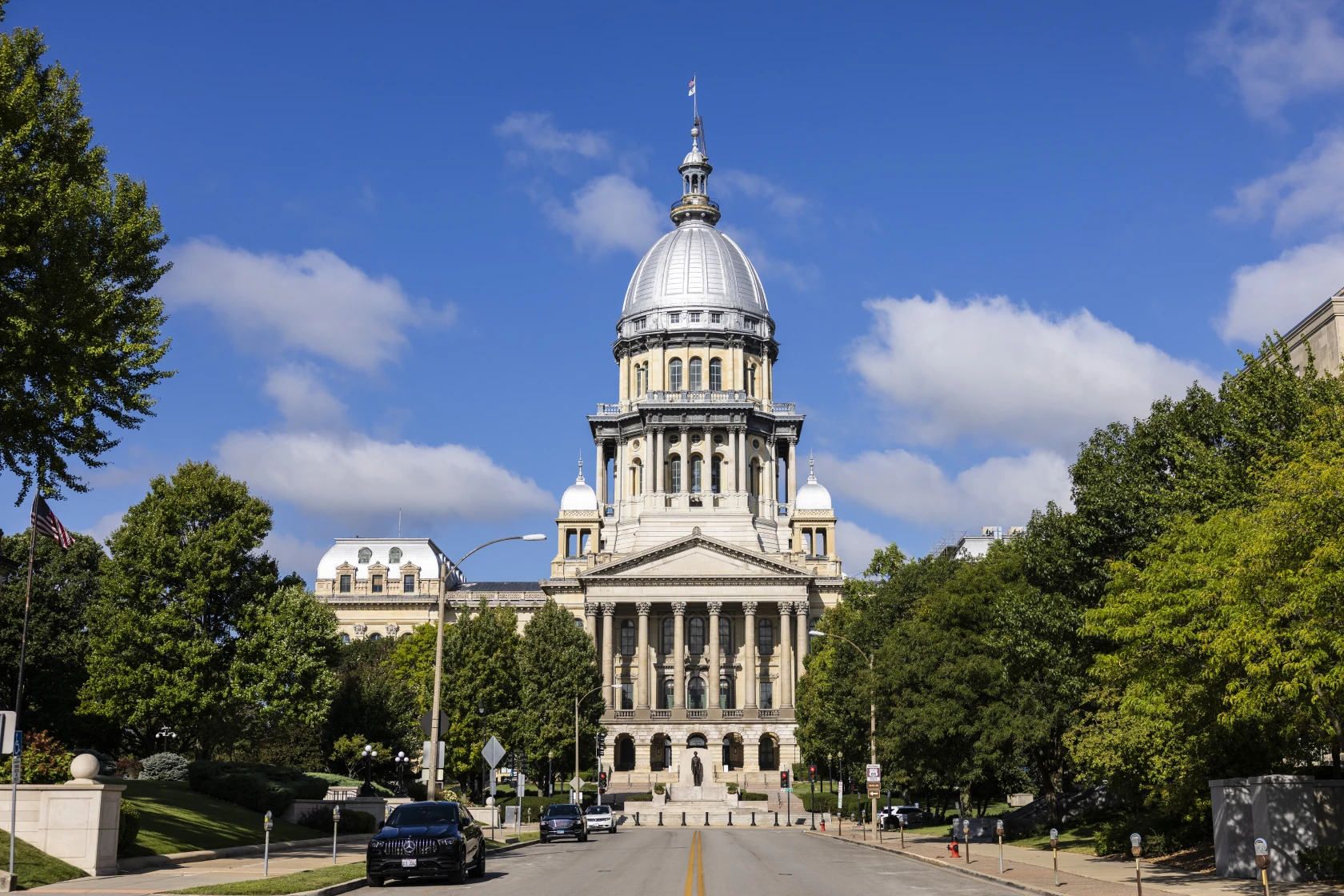
Illinois Democrats Secure Historic Supermajorities Amid Republican Election Losses
Democrats Expand Legislative Power Following Election Night Surge The Illinois General Assembly is poised for a significant shift...

SCAD Savannah Defeats Florida Memorial 3-1 in Men’s Soccer Quarterfinals
SCAD Savannah secured a 3-1 victory over Florida Memorial University in the men’s soccer quarterfinals on November 4,...

Punaluʻu Bake Shop Hires Staff Ahead of Reopening After Hurricane
Staffing Push Signals Recovery for Punaluʻu Bake Shop The Punaluʻu Bake Shop, a cornerstone of Nāʻālehu commerce since...