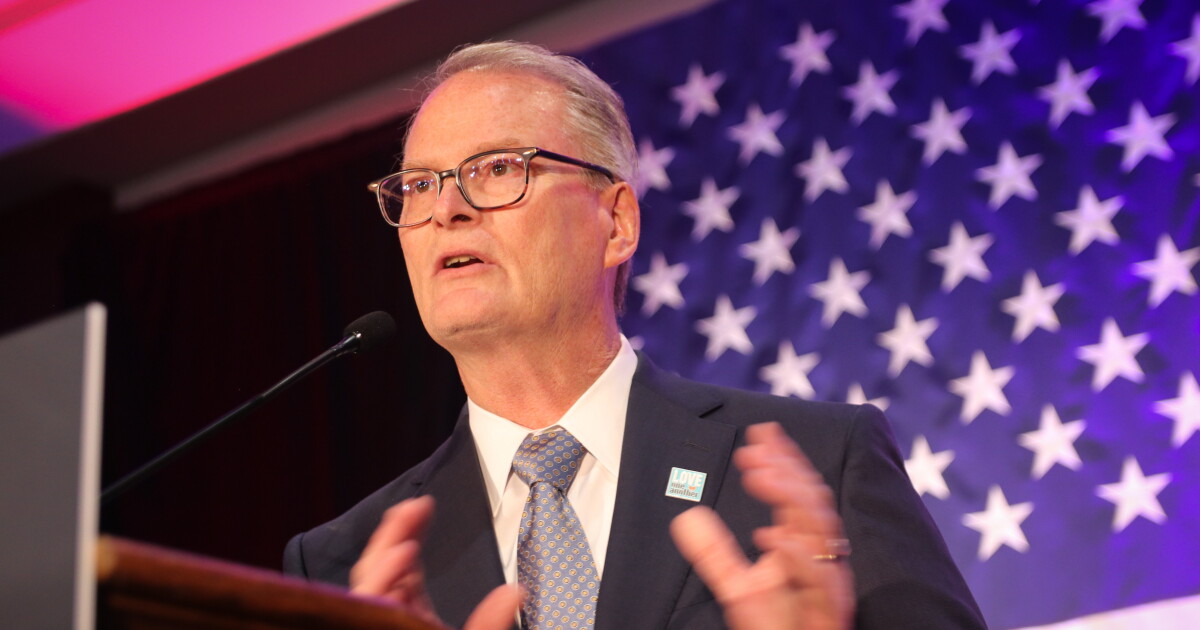
Democratic pastor Adam Hamilton defeated Republican incumbent Roger Marshall in Tuesday’s Kansas Senate race, ending a near-century-long Democratic drought in the state. The result, alongside significant shifts in the Kansas and Missouri legislatures, signals a rejection of Republican supermajorities and voter frustration with the state legislature.
The End of a Ninety-Four-Year Streak
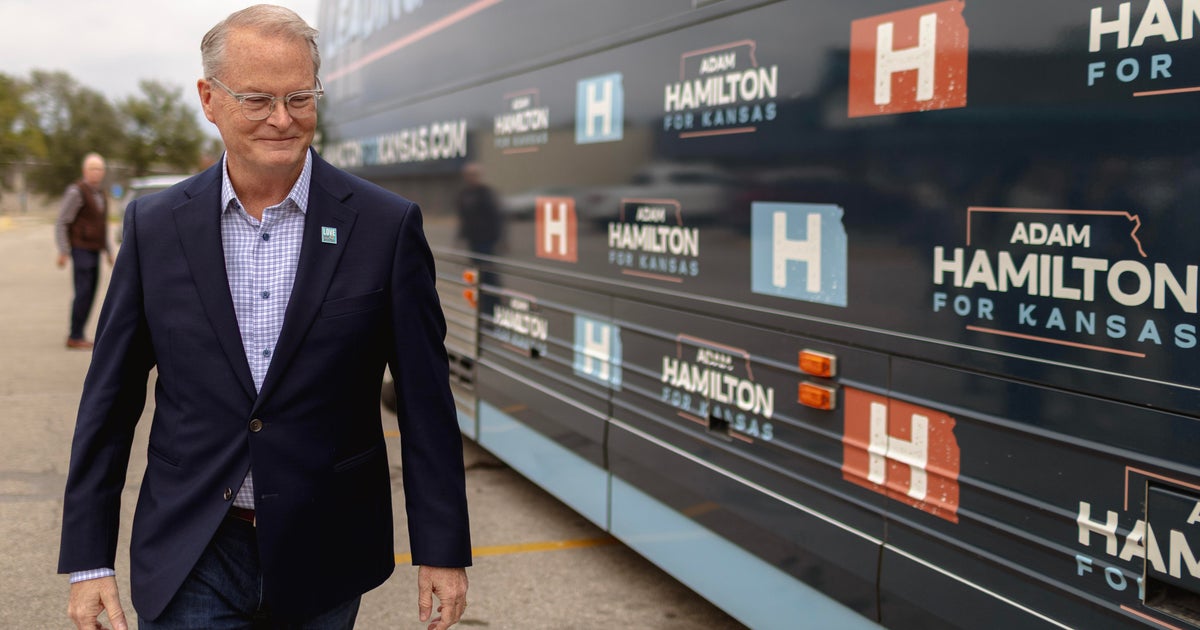
For nearly a century, Kansas has been a reliably Republican stronghold in the U.S. Senate, with the party’s last loss dating back to 1932. Adam Hamilton, who leads the largest United Methodist church in the country, dismantled that historical trend by running an affordability-focused campaign that sought to bridge partisan divides. As reported by CBS News, Hamilton’s victory was bolstered by a coalition of voters who were increasingly disillusioned with the incumbent’s record. Roger Marshall, a medical doctor and incumbent, faced a difficult path to reelection. His campaign struggled under the weight of a New York Times investigation detailing lawsuits he filed against more than 700 patients over outstanding medical bills, an issue that became a lightning rod for criticism regarding healthcare costs. While national Republicans attempted to intervene with an influx of funding to protect the seat, the momentum had already swung in Hamilton’s favor.
A Political Shift in the Kansas Statehouse
In the Kansas House of Representatives, Democrats successfully broke the Republican supermajority, picking up at least 20 seats. The gubernatorial race between Republican Ty Masterson and Democrat Cindy Holscher remains one of the most closely watched contests in the state. While the Associated Press had not called the race as of Tuesday afternoon, Holscher has already claimed victory. With fewer than 6,000 votes separating the candidates, Masterson has acknowledged the trend and stated that Kansas law will require a recount, according to coverage from KCUR.
Missouri Voters Reject Legislative Overreach
Across the border, Missouri voters sent an equally strong message by rejecting several Republican-backed ballot initiatives. Most notably, Amendment 3, which sought to ban nearly all abortions in the state, failed to pass. Conversely, voters approved Amendment 6, a move designed to curb the legislature’s power to alter citizen-led ballot initiatives—a direct response to previous Republican efforts to bypass public opinion on issues like paid sick leave.
The frustration with the state legislature was further evidenced by the erosion of Republican supermajorities in both the Missouri House and Senate. A defining moment of this trend occurred in Jackson County, where Democrat Keri Ingle unseated Republican House Speaker Jon Patterson in a state Senate race.
The Congressional Map and the “Blue Wave”
Republican efforts to solidify control over Missouri’s congressional delegation also hit a significant roadblock. After a series of legal battles that reached the Missouri Supreme Court and the U.S. Supreme Court, voters rejected Proposition A, which had aimed to cement a 2025 congressional map consisting of seven safe Republican districts.
Instead of the anticipated 6-2 Republican split, Democrats secured a third seat in the state’s delegation. Democrat Fred Wellman defeated Republican incumbent Ann Wagner in the 2nd District, while Rep. Emanuel Cleaver II successfully defended his seat in the 5th District.
We have a state legislature that’s been really used to sort of unchecked power. And I think with the breaking up of these super majorities, they’re going to start to have to adjust their lawmaking practices.
This sentiment, expressed by Abigail Vegter, an assistant professor of political science at William Jewell College, highlights the human stakes of the election. For many voters, the results were not merely about party preference but a reclamation of influence. As Bob Beatty, a political science professor at Washburn University, noted to KCUR, the disconnect between the legislature and the populace became impossible to ignore.
More on Adam Hamilton
Democrat Adam Hamilton, a Methodist pastor, addressed supporters after ousting incumbent Republican Sen. Roger Marshall in ruby-red Kansas, snapping a nearly 100-year winning streak for Republicans in the state's Senate races, the AP said. Read more: https://t.co/fdH8YzKj4M pic.twitter.com/fO04XPzluv
Democrat Lauren Cole Defeats House Speaker Todd Huston in Indiana
In a result that has rippled across the Indiana political landscape, political newcomer Lauren Cole has unseated House...
Illinois Democrats Secure Historic Supermajorities Amid Republican Election Losses
Democrats Expand Legislative Power Following Election Night Surge The Illinois General Assembly is poised for a significant shift...

SCAD Savannah Defeats Florida Memorial 3-1 in Men’s Soccer Quarterfinals
SCAD Savannah secured a 3-1 victory over Florida Memorial University in the men’s soccer quarterfinals on November 4,...

Punaluʻu Bake Shop Hires Staff Ahead of Reopening After Hurricane
Staffing Push Signals Recovery for Punaluʻu Bake Shop The Punaluʻu Bake Shop, a cornerstone of Nāʻālehu commerce since...