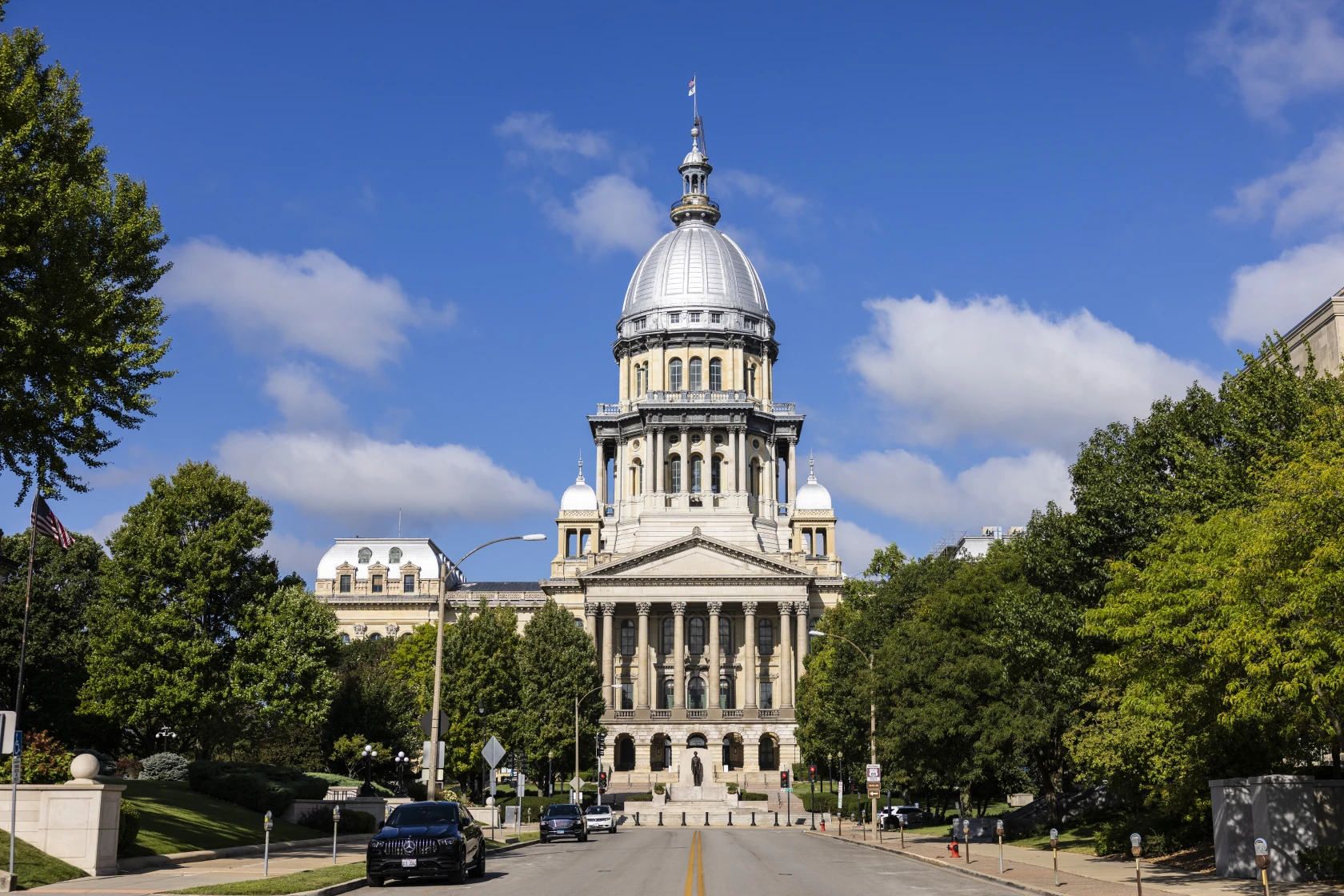
Democrats Expand Legislative Power Following Election Night Surge
The Illinois General Assembly is poised for a significant shift in the balance of power following Tuesday’s election, as a nationwide blue wave bolstered Democratic supermajorities in both the state House and Senate. According to reporting from the Chicago Sun-Times, the results leave Illinois Republicans in their most precarious political position in recent memory, struggling to maintain a foothold as Democratic candidates secured victories in both traditional strongholds and long-contested suburban districts.
By Wednesday morning, the scope of the Democratic gains had become clear. House Speaker Emanuel “Chris” Welch’s political operation, which directed roughly $35 million into the cycle, successfully flipped at least four districts. With three additional House races still pending, the party is tracking toward an 85-33 advantage, a significant expansion of the 78-40 edge they have held since 2022. This trajectory cements a supermajority that was already considered the largest in modern state history.
Suburban Voters Decide High-Stakes Legislative Races
The electoral map saw a notable movement in the suburbs, traditionally a battleground where party fortunes have fluctuated. State Rep. Nabeela Syed secured a victory over incumbent Republican state Sen. Darby Hills in the northwest suburban 26th Senate District, concluding a $6.5 million campaign that stands as one of the most expensive in state history. Further north, the race for the Rockford seat held by GOP state Sen. Dave Syverson—the chamber’s longest-serving member, having held the office since 1993—remained too close to call Wednesday morning, with Democrat Sarah Mertens holding a narrow lead as 85% of expected votes were tallied.
With Gov. JB Pritzker, Attorney General Kwame Raoul, and Comptroller-elect Margaret Croke all securing decisive wins, the Republican Party’s infrastructure faces an existential question. Illinois Republican Party chair Bob Grogan acknowledged the scale of the defeat, noting that the nationalization of the election, combined with economic anxieties and the unpopularity of President Donald Trump in suburban regions, created headwinds that proved insurmountable for many GOP candidates.
Internal Challenges for Leadership
Despite the historic electoral success, Speaker Welch faces internal friction. Even as his committee poured $1.6 million into the 97th District to defend that seat, members of his own caucus have reportedly begun organizing behind closed doors to challenge his speakership in January. The opposition stems from his handling of sexual harassment allegations involving former state Rep. Harry Benton. Welch, however, characterized the election results as a clear endorsement of his party’s platform.
The people of Illinois expect us to govern, to lead, and to deliver. We will continue doing exactly that. Our majority is stronger, our caucus is growing, and our commitment to building a better Illinois has never been greater.
Senate President Don Harmon, who saw his chamber’s Democratic edge expand to a potential 46-13, echoed this sentiment. Harmon attributed the gains to a focused campaign strategy centered on healthcare, cost-of-living issues, and opposition to the Trump administration. His political committee entered the final weeks of the campaign with $32 million, a figure that highlights the growing disparity between Democratic fundraising and a Republican war chest depleted by the departure of major conservative donors like Ken Griffin and Dick Uihlein.
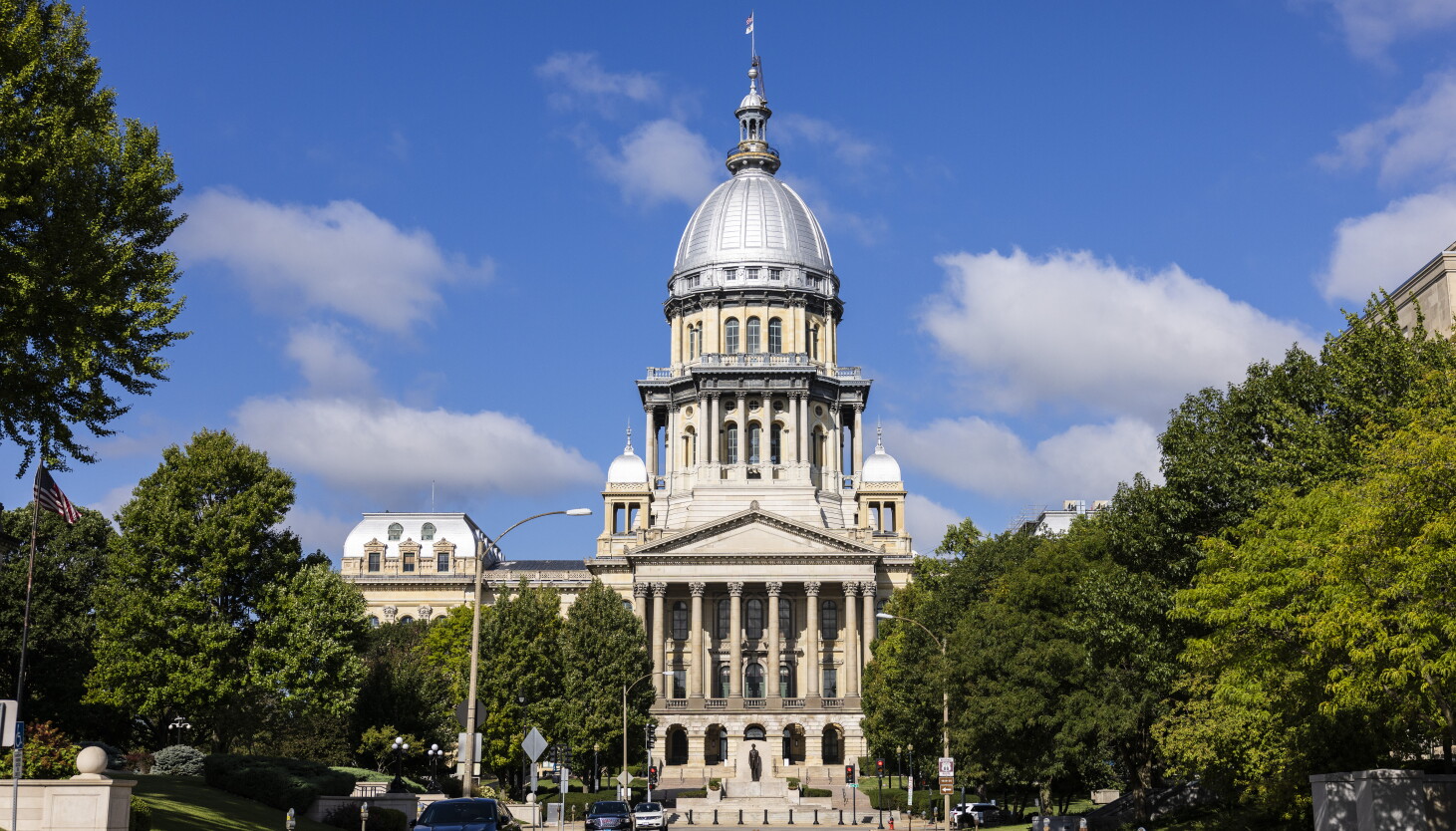
The Future of the Illinois GOP
Members of the hard-line Illinois Freedom Caucus suggested that the party’s losses were a symptom of failure to offer a distinct enough alternative.
Whether this result delivers on the goals stated by leadership or further isolates a shrinking Republican caucus remains a central question following the recent election.
Keep reading
- Wendy’s rejects takeover proposal from Nelson Peltz’s Trian Fund
- Brewers’ win Ignites Debate Over Bringing baseball back to UW-Madison
- Netanyahu alleges election fraud linked to Arab voter turnout (world-today-news.com)
- Israeli President Isaac Herzog accepts election results and begins government talks (newsarchyuk.com)

Wendy’s rejects takeover proposal from Nelson Peltz’s Trian Fund
Wendy's has officially rejected a $1.4 billion takeover proposal from a group of investors led by Nelson Peltz's...
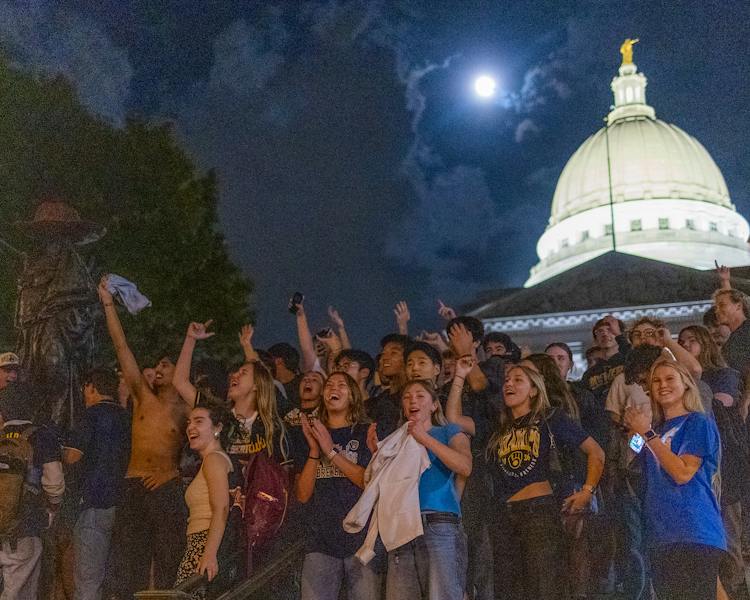
Brewers’ win Ignites Debate Over Bringing baseball back to UW-Madison
Brewers' Title Ignites Debate Over Bringing Baseball Back to Badgers The question is hanging in the Wisconsin air,...

Wyoming Cave Systems Offer Unique Underground Exploration Opportunities
Wyoming's underground sites offer diverse geology and history Wyoming’s mountain ranges provide some of the most significant opportunities...
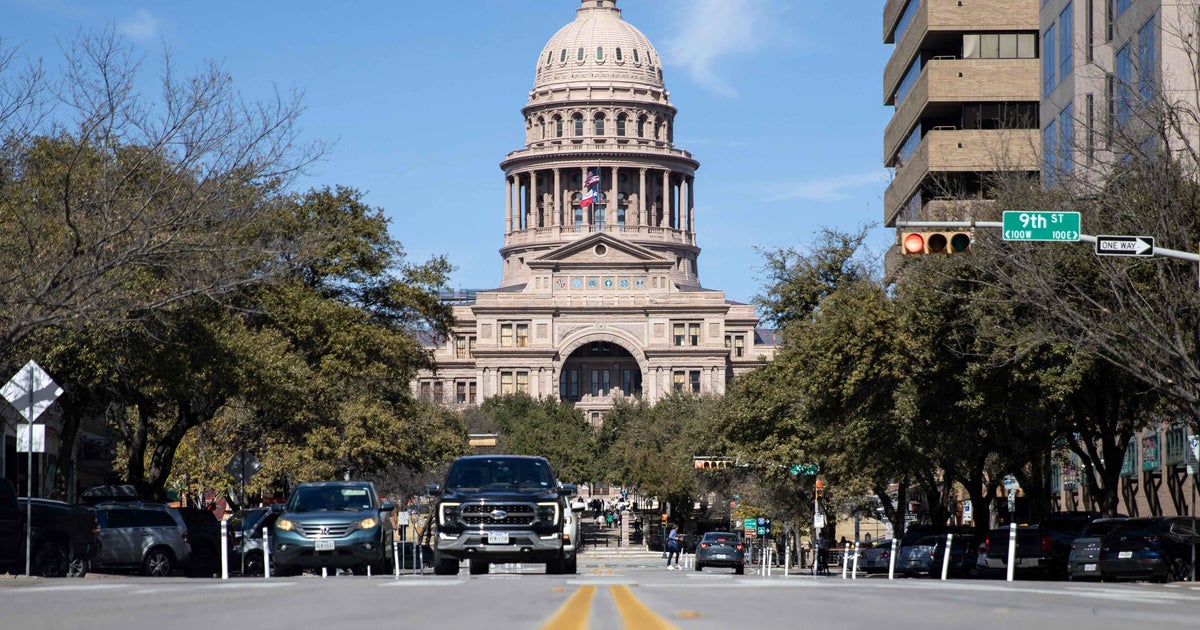
Democrats win Texas statewide offices and control Texas House
Texas Turns Blue, but for How Long? On an election night that delivered surprises across the nation, the...