
As floodwaters finally recede across southwestern Colorado, emergency responders and local officials are confronting the extensive devastation left behind by a severe weather system that impacted at least 12 counties and triggered a disaster emergency declaration by Gov. Jared Polis.
Assessing the Damage in South Fork and Pagosa Springs
The human and structural toll is becoming clearer as community leaders begin the long process of recovery. Speaking to residents gathered for a Monday night community meeting in South Fork, Southwest Incident Management Team Commander Doug Fritz delivered a sobering assessment of the timeline ahead.
“It’s not going to be fixed immediately. It’s going to take awhile. That’s the bad news.”
The storm, fueled by tropical moisture pulled straight from the Pacific Ocean, dropped more than 5 inches of rain across the San Juan Mountains and surrounding high-country terrain. In Pagosa Springs, the San Juan River surged from 5 feet to more than 15 feet. Town leaders noted this marked the river’s highest crest in 115 years, higher than last year’s “100-year flood.”
Officials initially anticipated manageable flood conditions similar to the previous year, expecting flows around 3,000 cubic feet per second. Most sandbagging efforts from last time were already in place, and rescue teams felt confident. By Thursday night, however, river forecasts had more than doubled, catching emergency workers off guard. The first mandatory evacuations were issued that same night when a rising river took out the Park Creek Bridge, sending a massive debris flow rushing downstream.
Colorado National Guard Rescues Stranded Residents and Pets
The severe weather prompted Gov. Polis to activate the Colorado National Guard to assist local agencies with evacuations and search-and-rescue operations. By Tuesday morning, the Guard had successfully rescued 33 stranded residents and over a dozen pets, primarily within Archuleta County, according to Staff Sgt. Patrick Crosley.
These urgent rescue demands have stretched local resources thin. U.S. Forest Service District Ranger Patrick Moran explained during the South Fork meeting that emergency personnel have had to divert attention from local damage assessments to pull stranded individuals out of the backcountry.
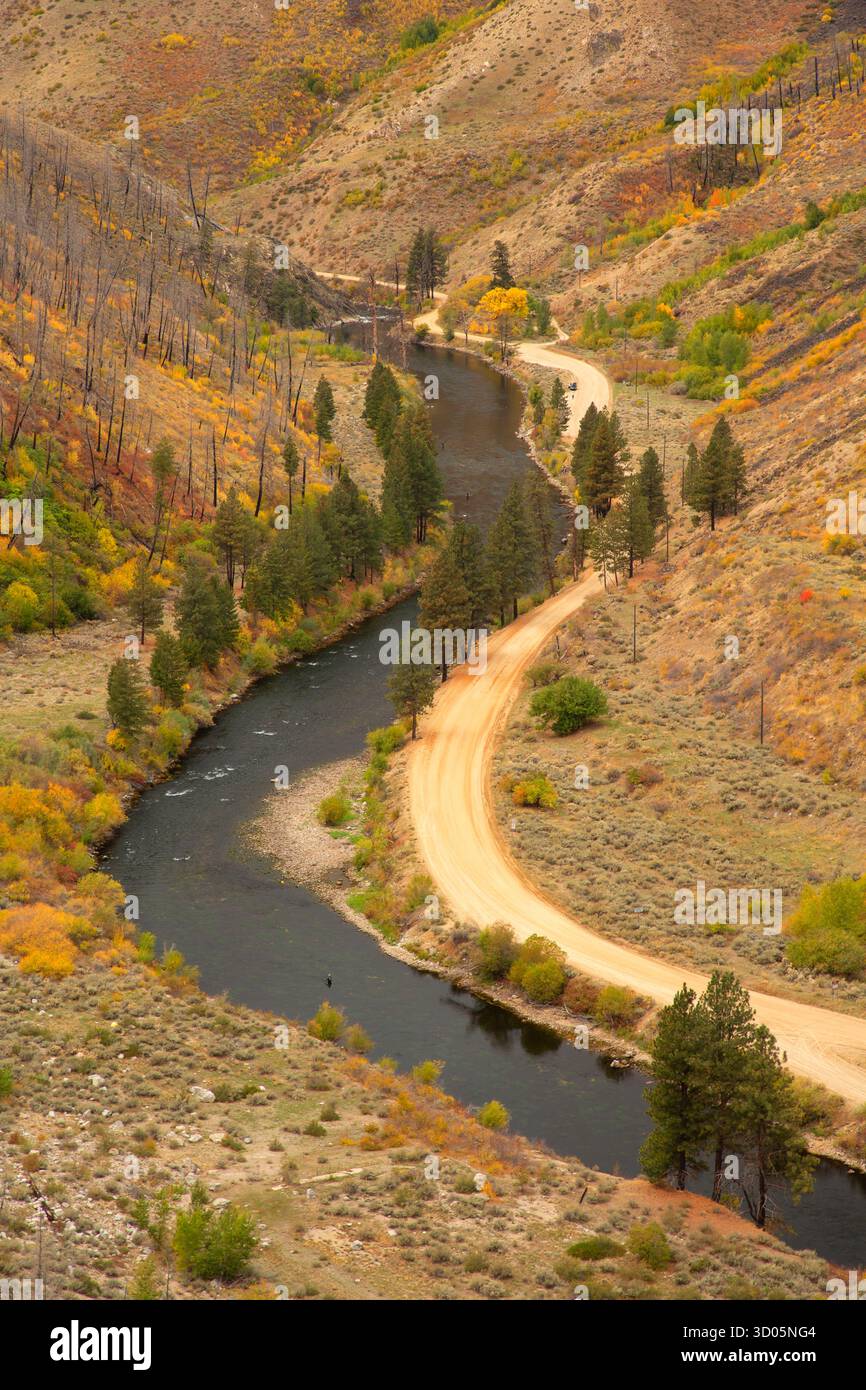
“We don’t know the condition of all the roads. We have hundreds and hundreds of miles out there, and we have people getting stuck and needing rescue.”
With snow already appearing in parts of the high country and additional winter weather forecasted, Moran warned that the full extent of forest damage might remain hidden until the spring. Meanwhile, Archuleta County Commissioner Warren Brown told residents in Pagosa Springs on Tuesday night that roughly 800 structures—including 540 homes—were affected by the floods. About a quarter of the county’s roads remain impassable, trapping hunters behind at least four blocked Forest Service roads.
Road Closures and Structural Impacts
Transportation infrastructure across the region sustained severe damage. Several bridges were washed away, and numerous local roads and state highways remain closed to traffic. The Colorado Department of Transportation noted that Colorado 151 is closed in both directions between Forest Service Road 613 and U.S. 160 due to floodwaters washing out parts of the roadway. U.S. 160 reopened to traffic Tuesday afternoon, though motorists face single-lane alternating traffic patterns at active repair sites.
For communities like Archuleta County, the disaster compounds a punishing year. Sheriff Mike Le Roux pointed to the cumulative strain of natural disasters in the area, stating that the county sustained the Rio Blanco Fire and then these October floods 12 weeks later. He said the county has certainly endured some major incidents in the last year and that he believes they truly are a resilient community.
Despite the widespread destruction to property, infrastructure, and local businesses—including partially submerged cabins and flooded recreational vehicle parks near South Fork—no injuries or fatalities have been reported in Mineral or Rio Grande counties. Rio Grande County Sheriff Anne Robinson called that outcome miraculous.
More on South Fork
Related reading

Ferrol Residents Welcome SAIC Motor Plant Investment in Spain
In June, Chinese electric vehicle manufacturer SAIC Motor chose a port outside Ferrol, Spain, as the site for...

Stocks Mixed as Investors Await Fed Decision and Big Tech Earnings
Wall Street Equity Futures Mixed Ahead of Federal Reserve Decision and Big Tech Earnings U.S. equity futures drifted...

Elvin Lue Steward of Glendo dies at 83
Remembering Elvin Lue Steward: A Life of Grit, Music, and Union Leadership in Wyoming When a man leaves...
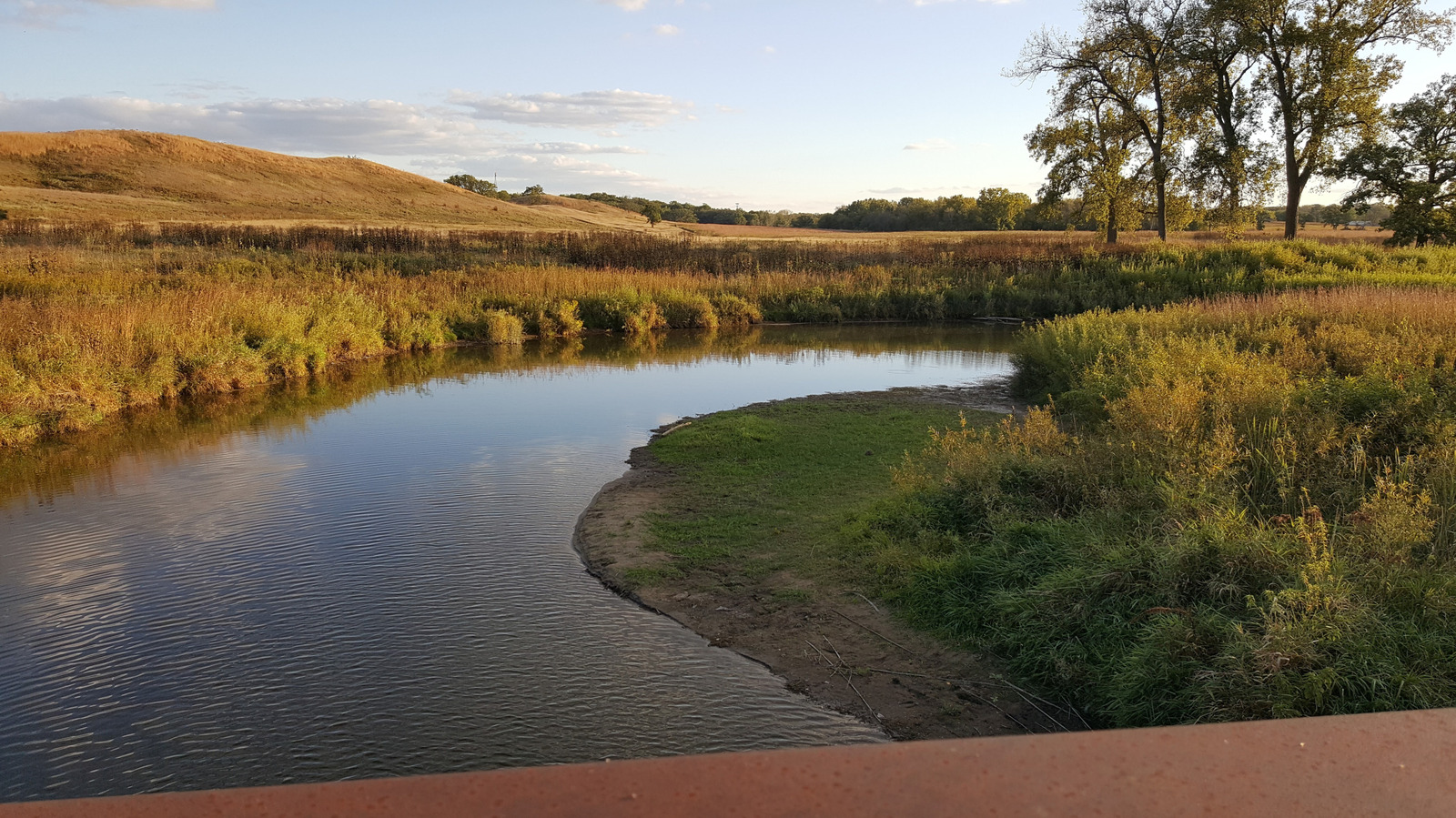
Glacial Park Illinois offers paddling, fishing and nature trails
Nestled across a little more than 3,400 acres of rolling glacial kames and open prairie in far northern...