
Columbia Association Adjusts Racquet Sport Access Amid Rising Demand
The Columbia Association is currently refining how residents engage with its racquet sports facilities, signaling a strategic pivot in how the community manages its tennis and pickleball infrastructure. As of November 2026, the organization has implemented a centralized inquiry system for members and prospective players to navigate the availability of leagues, block time, and instructional programming.
This shift comes as suburban recreational hubs across the United States face unprecedented pressure to balance the legacy dominance of tennis with the meteoric rise of pickleball. The Columbia Association’s new intake process—which requires individuals to specify their sport, contact preferences, and interest in particular programs—reflects a broader trend in municipal and community management: the move toward data-driven facility allocation.
The Mechanics of Membership Access
The organization’s latest digital intake form serves as a filter for high-demand services. By asking potential users to delineate between tennis and pickleball, the Columbia Association is likely gathering granular data to inform future court conversions and staffing schedules.
For the average resident, the stakes are practical. Access to court time has become a point of contention in many planned communities. When a facility transitions to specialized leagues or block time, the casual player often finds their spontaneous access curtailed. The data collected through this new portal—ranging from junior tennis interest to professional lessons—allows the association to quantify exactly how many hours are needed for instruction versus open play.
Balancing Legacy Sports and New Trends
Historically, tennis has provided the backbone of community racquet sports, supported by established club structures and league play. However, the rapid adoption of pickleball has forced a reallocation of physical space. According to the USA Pickleball Association, the sport has seen consistent year-over-year growth in participants, often leading to friction in dual-use facilities where court lines and net heights differ.
The Columbia Association is not alone in this transition. Many neighborhood associations are currently evaluating the cost-benefit analysis of resurfacing hard courts to accommodate the smaller pickleball footprint. By requiring users to opt-in for updates via SMS and digital channels, the association is effectively building a direct-marketing pipeline to manage the expectations of these two distinct user groups.

Economic and Community Stakes
For the suburban household, these changes represent more than just a scheduling adjustment. The availability of junior tennis programs, for instance, is often a key selling point for property values in planned communities. Conversely, the social draw of pickleball creates a different demographic pull, typically skewing toward a broader age range that values high-frequency, low-barrier entry to play.
The association’s move to use automated dialing systems for communication, as noted in their latest terms, underscores the scale of the administrative task. They are moving away from ad-hoc management toward a structured, automated engagement model. This ensures that when court modifications occur, the organization has a pre-verified list of stakeholders to inform, thereby mitigating the blowback that often accompanies the loss of traditional tennis hours.
As the Columbia Association continues to refine its racquet sports offerings, the primary question remains: can the existing infrastructure expand sufficiently to support both the traditional tennis base and the burgeoning pickleball population without alienating either? For now, the answer lies in the data the association is collecting through its latest intake initiative.
Related reading

Jalen Brunson Makes Law & Order SVU Cameo as Detective Madison
Jalen Brunson Trades the Hardwood for the Precinct in SVU Cameo New York Knicks star Jalen Brunson made...

Justin Pearson accepts 9th District loss but vows to challenge map
The 9th District Results and the Future of Tennessee’s Political Map Democratic state Representative Justin J. Pearson has...
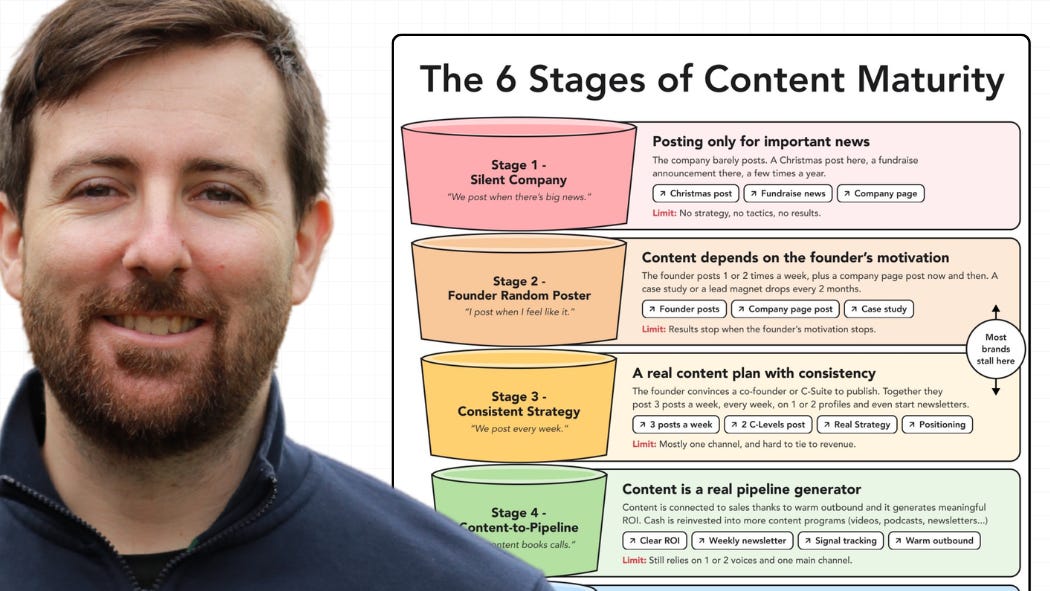
The 6 Stages of Content Maturity: How to Scale Your B2B Content Engine
Content maturity for B2B brands often stalls because companies rely on sporadic, founder-led updates rather than a systemic...

228 Roosters Seized From Redmond Cockfighting Operation
Deschutes County Detectives Seize 228 Roosters in Redmond Cockfighting Raid A long-term investigation into a property northeast of...