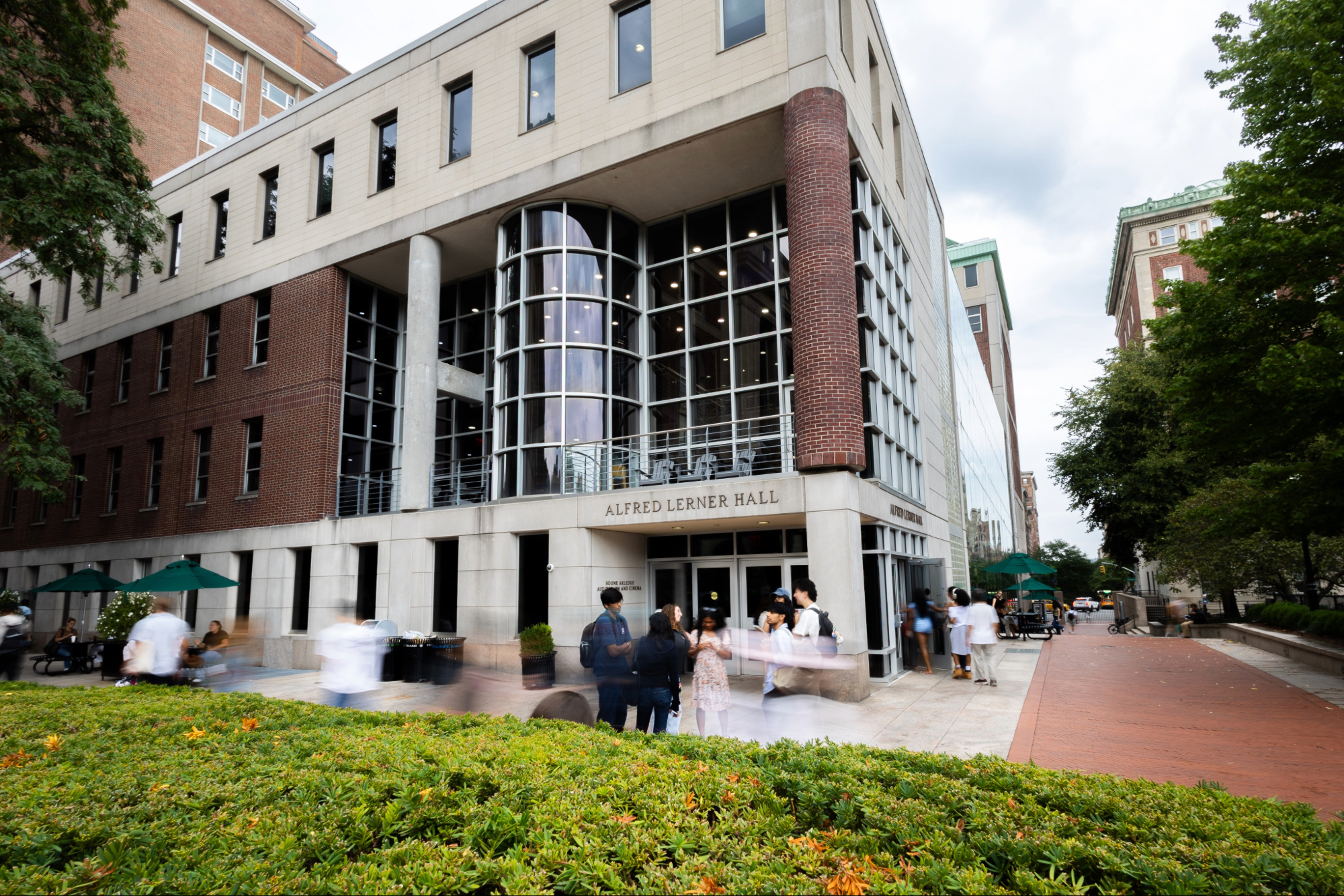
Two Columbia dining halls operated with serious health code violations last month, accumulating enough demerit points to qualify for the city’s lowest letter grades upon reinspection, according to records obtained by the Columbia Daily Spectator.
The New York City Department of Health and Mental Hygiene flagged Ferris Booth Commons and Faculty House during routine inspections, uncovering evidence of pests, improper food storage, and sanitation failures that increase the potential for food contamination.
Inspection Findings at Ferris and Faculty House
The discoveries emerge as Columbia Dining enters its fifth year of rapid expansion, doubling its total seating capacity and extending operating hours to serve more than 12,000 meals daily across campus. At Ferris Booth Commons, Columbia’s most popular dining hall by total weekly swipes, inspectors tallied 33 violation points. Findings included fresh mouse droppings in a cold catering kitchen storage room—specifically located on a ceramics storage shelf and below an equipment shelf—alongside cracked eggs stored improperly and several stray flies. Inspectors also noted two 2-3-inch-wide holes in the ceiling around the kitchen.
Faculty House accumulated 41 violation points during a Sept. 14 inspection—the highest total issued to any of the University’s dining locations in the last three years. Health inspectors cited the facility for five critical sanitary violations involving potential food and silverware contamination. Investigators discovered roughly three pounds of mold-contaminated strawberries in the basement pastry preparation area, alongside about seven pounds of cooked sweet potatoes, cauliflower, and mushrooms left sitting at roughly 65 degrees Fahrenheit for two hours without mandatory time-based safety controls.
Further violations at Faculty House included supplies stored beneath exposed sewer lines, mildew inside multiple ice machines, drainage complications, and an inadequately heated dishwasher. Meanwhile, inspectors also noted that the Fac Shack operated as an “unlicensed mobile food truck” outside Wien Hall, prompting a temporary relocation as the permitting process continues.
Response and Remediation
Vicki Dunn, assistant vice president for Columbia Dining, and Michael DeMartino, executive chef of campus dining, addressed the findings in a joint statement to the Columbia Daily Spectator.
“We want to reassure our community that these findings do not reflect the quality of the food we serve or the commitment and care our staff bring to their work each day. The health and well-being of every student we serve remains our highest priority.”
Both officials emphasized that they were “disappointed in the results of recent inspections” but noted that staff corrected many of the violations immediately. A Columbia Dining official confirmed that subsequent fixes included insulating the sewer pipe, servicing dishwashing equipment, cleaning ice machines, and adjusting drainage machinery. Officials maintained that the mouse droppings were confined to a non-food-prep catering storage room, that the moldy strawberries arrived just a day prior and had not yet been checked by staff for use, and that ceiling holes were overhead rather than on the floor.
Despite the high violation tallies, both Ferris and Faculty House currently maintain “A” grades based on evaluations from the first half of 2025. Under city health guidelines, an initial inspection yielding enough points to drop a rating triggers a second, unannounced visit. If that subsequent review yields similar results, the department formally issues a new letter grade.
Campus Context and Unresolved Status
Student reaction reflects a mix of concern and resignation. Miles Sturges, CC ’27, student services representative for Columbia College Student Council, told the Columbia Daily Spectator that while the inspection outcomes troubled him, hearing about sanitation worries from peers felt “not uncommon.”
Other campus dining facilities avoided similar marks. John Jay Dining Hall, Columbia’s third most popular dining hall, picked up eight violation points during a Sept. 17 inspection, securing its clean “A” rating without requiring a reinspection. The health department inspected both cafeterias at Barnard earlier this year and awarded them “A” grades, despite finding “live roaches” inside the Diana Center Cafe—an occurrence a Barnard spokesperson characterized as an isolated common-area incident managed by ongoing pest control programs.
While the health department typically performs reinspections within a month, it remains unclear whether follow-up visits have occurred for Ferris or Faculty House, as online portal updates have stalled since the September inspections were posted.
Related reading

Manhattan Prosecutors Charge Defendants in 7 Million SNAP Fraud Scheme
New York EBT Fraud Scheme Drains Over $7 Million in SNAP Benefits A group of defendants operating what...

2025 Hyundai Santa Fe Hybrid SEL AWD Manufacturer Buyback Low Miles
Low-Mileage Hybrid Arrives With Buyback Status The 2025 Hyundai Santa Fe Hybrid SEL AWD has arrived at Rand's...

Dade County High School Principal Brent Cooper Arrested on Sex Charges
Dade County High School Principal Brent Cooper Arrested on Two Counts of Improper Sexual Contact Dade County High...

Bristol, New Hampshire, Features 12 Historic Central Square Buildings
The 12 Historic Buildings Defining Bristol's Central Square Twelve historic buildings anchor the Central Square Historic District in...