The 12 Historic Buildings Defining Bristol’s Central Square
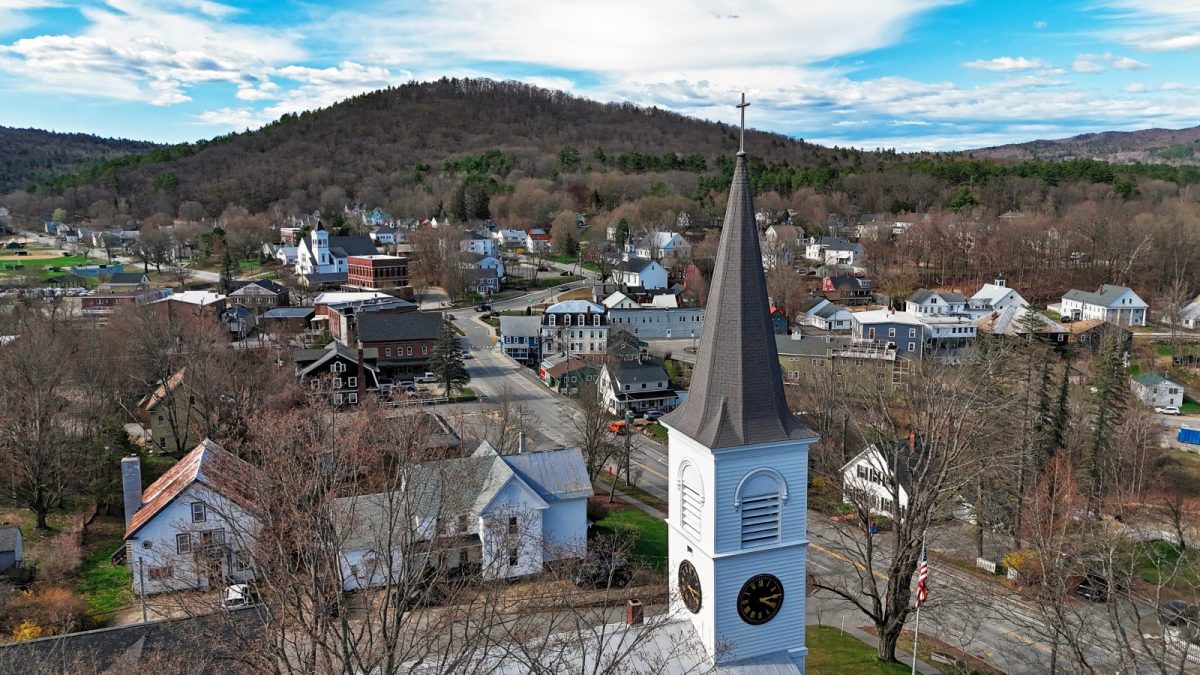
Twelve historic buildings anchor the Central Square Historic District in Bristol, New Hampshire, a pocket of 19th-century architecture. This small town of just over 3,000 residents preserves a dense collection of Victorian storefronts, former taverns, and ornate commercial blocks along the banks of the Newfound River. The district earned formal recognition on March 24, 1983, when it was added to the National Register of Historic Places.
Walking through downtown reveals deliberate architectural choices made across distinct decades. On the western side of Central Square stands White’s Block, a two-story commercial building rebuilt after an 1861 fire destroyed its predecessor, featuring immaculately carved details across its upper-floor windows. Just down the square, the Rollins Block dates to 1872 and features decorative brackets beneath its elaborate cornices. The Abel Block bridges different eras entirely, retaining lower stories that predate the Civil War alongside an 1878 remodeling effort that added a third story and a mansard roof.
How Local Ordinances Froze Time in the Newfound Region
Architecture alone does not preserve a townscape for over a century. Waterpower from the Newfound River originally fueled the mills that built Bristol’s early economy, and the arrival of the railroad in 1848 tied the growing manufacturing hub to broader New England trade networks. Yet physical survival required active intervention long after the industrial era shifted.
In 2006, Bristol adopted its historic district ordinance, establishing review of any exterior changes within the district. Visitors navigating the area today can access the self-guided walking map provided by the town to identify architectural details like turrets, wraparound porches, and detailed window designs that might otherwise go unnoticed during a casual stroll.
Practical Details for an Afternoon or Weekend Visit
Exploring Bristol requires modest logistics. The compact layout of Central Square allows visitors to complete the self-guided walking route in one to two hours entirely on foot. Free parking is available in a lot on Central Street near River Falls Park, offering direct pedestrian access to the commercial square.
For dining and lodging, options remain rooted in the local business community. The Purple Pit, located at 28 Central Square, serves coffee, breakfast sandwiches, and deli sandwiches, though its kitchen closes at 2 p.m. and the establishment is closed on Wednesdays. For overnight stays, the Pleasant View Bed & Breakfast occupies a farmhouse dating to the early 1800s, situated a short drive outside the downtown core.
Common Questions About Visiting Bristol
What makes Bristol’s architecture unique?
The town features a concentrated collection of 19th-century commercial and residential buildings, including Queen Anne structures like the 1904 Henry Whipple House on Summer Street, which displays stained glass and a widow’s walk.
Are interior tours available for the historic homes?
Bristol’s official website doesn’t mention home tours, but visitors are free to admire both commercial blocks and residential architecture from public sidewalks using the municipal walking map.
How much time is needed to explore the district?
A standard walking tour of Central Square and adjacent historic streets takes roughly one to two hours, though expanding the trip to include Newfound Lake or local seasonal events requires a full weekend.
Worth a look
Pennsylvania and IDMe – IDMe Help Center
Pennsylvania DLI Integrates ID.me for Claimant Verification The Pennsylvania Department of Labor & Industry (Pennsylvania DLI) has integrated...

Portland man unveils giant 9-by-13-foot flannel shirt – KPTV
What are pants without a shirt in ‘Shirtzenpantz’ right? Ethan, a representative for Shirtzenpantz, told KPTV regarding the...
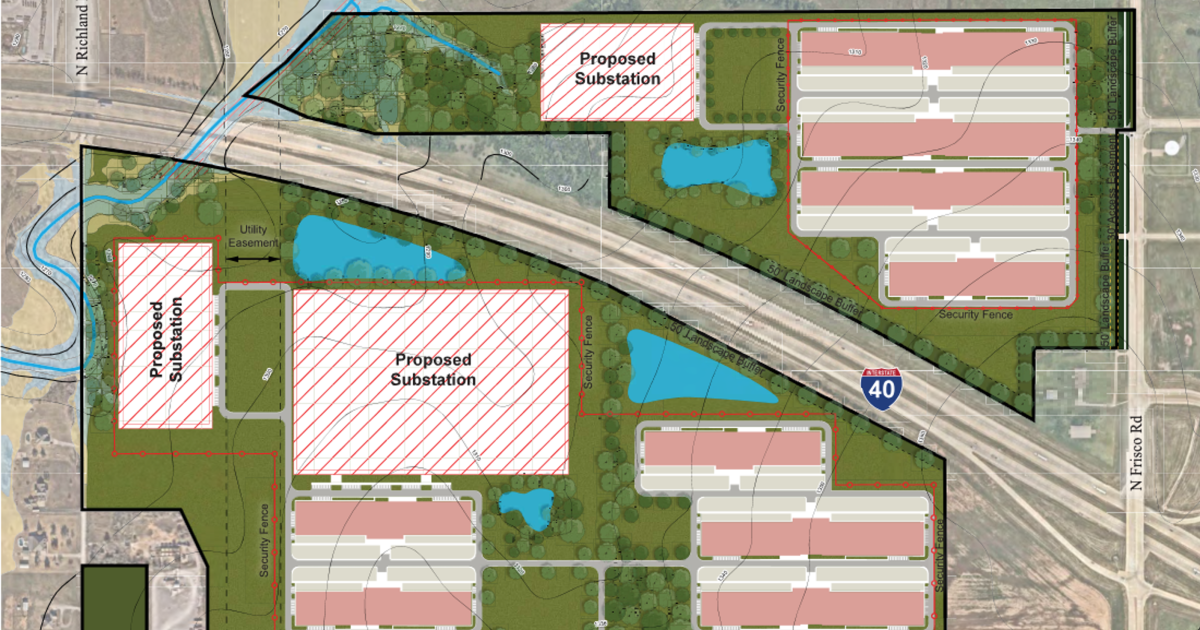
Oklahoma City council approves first hyperscale data center. That doesn’t mean there will be more
The Oklahoma City Council voted to approve a data center development, with city leaders warning that the green...

Collins rallies voters in Columbus in Georgia U.S. Senate race – WTVM.com
Collins targets Ossoff over inflation and hurricane relief in Columbus Republican U.S. Rep. Mike Collins rallied voters at...