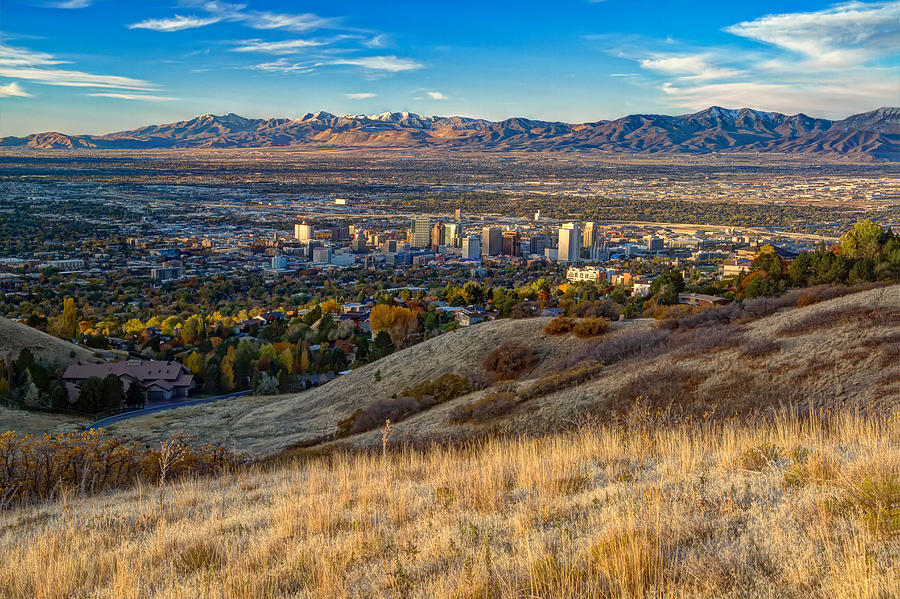
In a column for the Park Record, a writer argues that unchecked development and worsening air pollution risk permanently degrading Park City’s environment and character.
The author describes walking through London’s smog and drawing a direct parallel to the Salt Lake Valley’s seasonal inversion, which she says creeps closer to Park City each year. Expansions in Midway, Heber and Kamas now press from the south, raising the prospect that the community becomes “completely encapsulated by this inversion,” she writes.
Three traffic “chokeholds” frame the argument. The first centers on Kimball Junction, where the Dakota Pacific project and Olympic Park redevelopment are underway. The second targets growth around the hospital. The third focuses on the 1,500 Kearns Boulevard proposal, discussed recently at the Planning Commission, which sits caddy‑corner to the city‑owned 5‑acre lot where the Brinshore proposal was rejected.
“These two developments absolutely need to be viewed in totality,” the column says. “Just from a traffic and safety perspective, this is going to be a nightmare!”
The author points to lower Main Street as a cautionary example, calling it “a ghost town filled with empty retail space, a desolate communal area, claustrophobic buildings bearing down on you and obstructing what people truly come to Park City for: the open areas, the views and fresh air.”
East Village in Wasatch County is also cited, with the writer noting the county is “on the hook for almost a billion dollars in bonds and a New York developer that’s standing to reap the profits.”
As a city situated 32 miles (51 km) southeast of downtown Salt Lake City, Park City lies within the path of the Salt Lake Valley’s seasonal inversion smog, which creeps closer each year. Its growth pattern, marked by expansions in Midway, Heber and Kamas pressing from the south, raises the prospect of the community becoming “completely encapsulated by this inversion.”
The city’s reliance on tourism, with a yearly average of $529.8 million to the Utah economy, amplifies development pressure, as seen in projects like the 1,500 Kearns Boulevard proposal and the Dakota Pacific project at Kimball Junction, which exacerbate traffic chokeholds.
The piece urges the Park City Council and planning officials to follow existing code, study peak‑period traffic, and reserve the 5‑acre lot for uses that reflect its original arts‑and‑culture intent. “Thank God no decisions have been made and let’s pray that sanity rules the day,” the column concludes.

Seattle Landlord Says New Rules Make Small-Scale Investment Untenable
A Seattle landlord attended a city workshop expecting routine updates and left stunned by rules she said make...
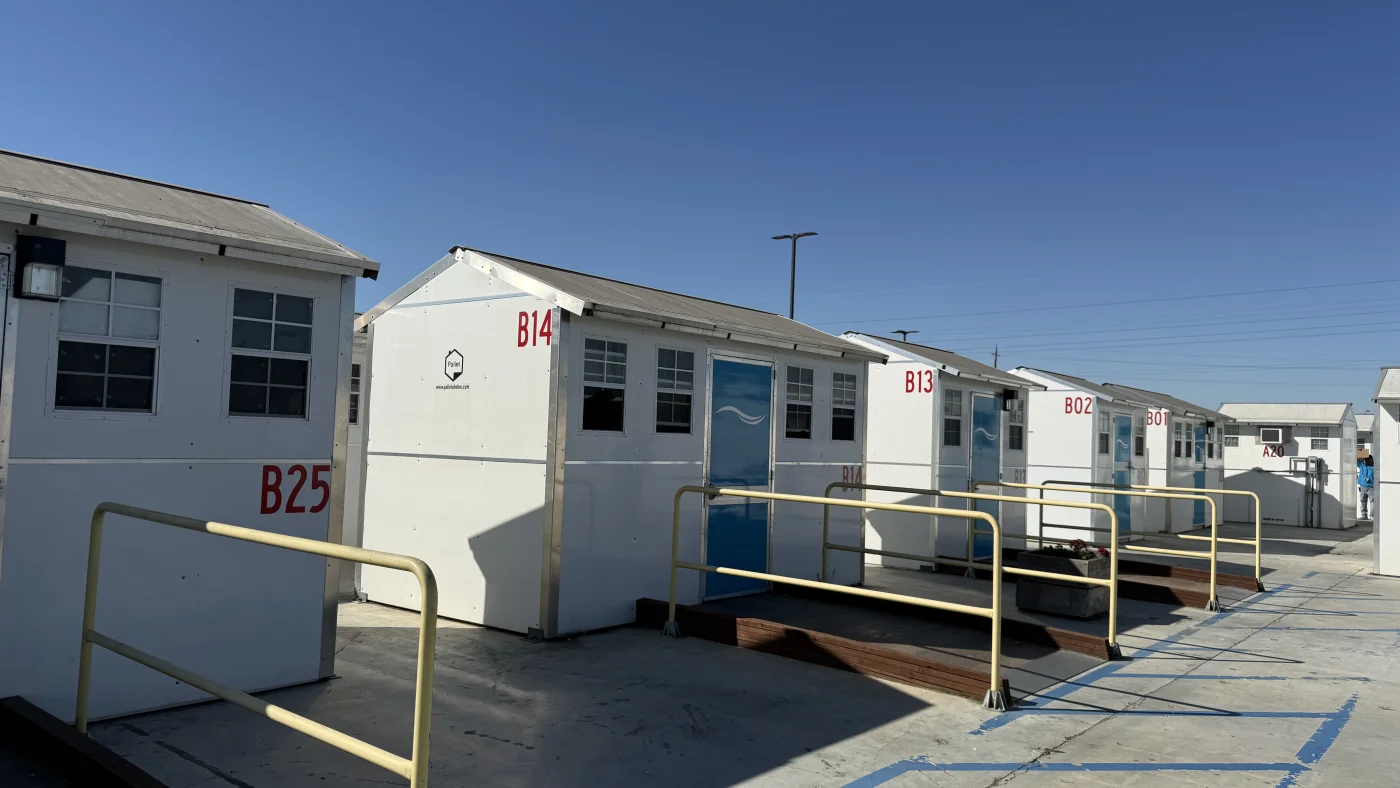
Newsom Leaves Office With California Homelessness Up 20.3% Despite $40 Billion Investment
California Governor Gavin Newsom leaves office with the state's homelessness population 20.3 percent higher than when he took...

Santa Clara Edges Texas Tech 75-73 in Paradise Jam Championship
Texas Tech fell to Santa Clara 75-73 in the Paradise Jam championship game Saturday in St. Thomas. The...
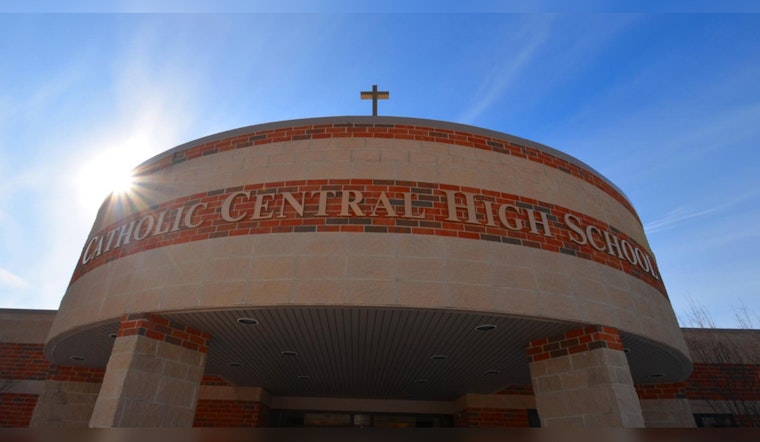
Detroit Catholic Central Overwhelms Romeo 47-7 to Repeat as MHSAA Division 1 Champion
Detroit Catholic Central overwhelmed Romeo 47-7 to repeat as MHSAA Division 1 state champion on Saturday at Ford...