
Cognitive behavioral therapy for insomnia, or CBT-I, is considered one of the most effective long-term treatments for chronic insomnia, improving sleep in 70 to 80 percent of people and eliminating symptoms entirely for nearly half, according to the American Academy of Sleep Medicine and decades of randomized controlled trials, The Washington Post reported.
What is chronic insomnia?
Experts estimate about 10 percent of adults meet the criteria for chronic insomnia, defined as difficulty sleeping at least three nights a week for three months or longer.
Philip Gehrman, a professor of clinical psychology at the University of Pennsylvania School of Medicine, said sleep medicine researchers often describe insomnia through the “3 P’s”: predisposition such as genetics or poor sleep hygiene; precipitating factors like work stress, a medical condition, or, in Luisa Palloni’s case, becoming a mother; and perpetuating factors that turn a string of bad nights into a chronic problem, The Washington Post reported.
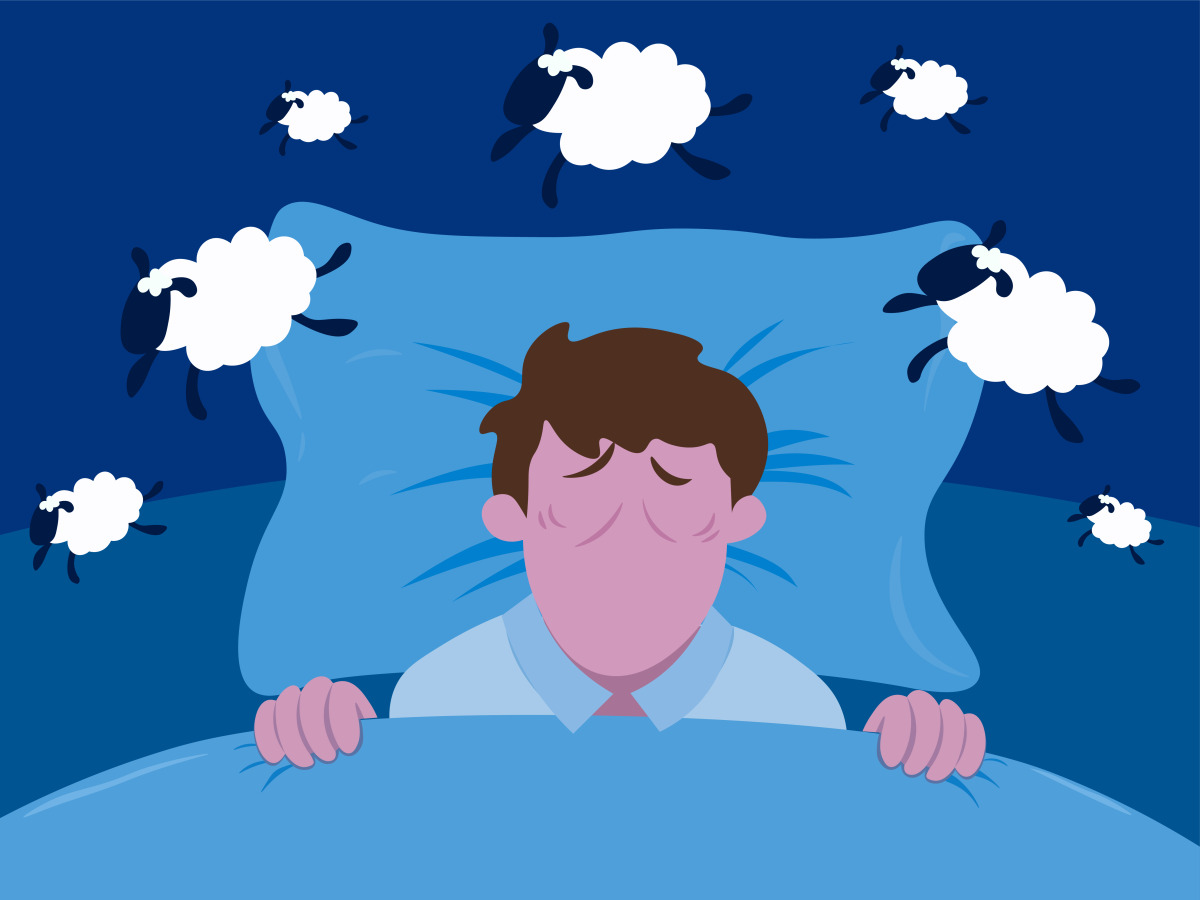
How does CBT-I differ from sleep medication?
Unlike sleep medication, CBT-I does not carry the same risks of side effects or developing a tolerance, The Washington Post reported. It focuses on changing the behaviors and thought patterns that perpetuate sleep problems rather than chemically inducing sleep.
J. Todd Arnedt, a professor of neurology and psychiatry and director of the Behavioral Sleep Medicine Program at the University of Michigan Medical School, said there are reasons to choose medicines over CBT-I in certain cases, and no treatment works for everyone, The Washington Post reported.
What are the core behavioral components?
CBT-I has two key components: changing behavior and changing thinking around sleep. Clinicians start with a sleep diary tracking when a person goes to bed, falls asleep, wakes during the night, and gets up in the morning. The next step, sleep restriction, limits time in bed to the time actually spent sleeping. For example, if someone has been going to bed at 9 p.m. and waking up at 7 a.m. but is awake for five hours, a therapist might suggest getting in bed at 2 a.m., The Washington Post reported.
Stimulus control is the other behavioral pillar. If a person lies awake for more than 20 minutes, whether at the start of the night or in the middle, they get out of bed to do something quiet in dim light, like reading or knitting, until sleepy.
“When you’ve had trouble sleeping for a while, you start to develop this association between your bed and wakefulness,” Gehrman said. The goal is to reestablish the bed as a cue for sleep.

How does CBT-I address unhelpful thinking?
People with chronic insomnia often develop “unhelpful ways of thinking” about sleep, Arnedt said, The Washington Post reported. “For many things, like say exercise, the harder we try, the more we put work into it, the better it gets,” Palloni said. “With sleep, that’s not the case. The harder you try, the harder it is to actually get sleep because that sleep effort ends up backfiring and making it harder to relax.”
Arnedt said training yourself to relax in those moments — telling yourself it’s okay not to be asleep — actually invites sleep. “Oftentimes when we’re thinking in unhelpful ways, we’re just zooming in on negative aspects of what’s going on. We’re not considering the full picture,” Arnedt said.
Treatment shifts bedtime earlier as sleep improves
As sleep becomes more efficient — meaning a person is asleep more of the time they spend in bed — bedtime is moved earlier until they get the right amount of sleep for them. People often sleep less at first, which can be unpleasant.
“It seems at one level not very intuitive to say, ‘Okay you’re having trouble sleeping, I want you to spend less time in bed,’” Arnedt said, The Washington Post reported. On average, people struggle with insomnia for more than a decade before they land on CBT-I, Gehrman said, The Washington Post reported.”
Where can someone start CBT-I?
Arnedt recommends finding a certified CBT-I practitioner or exploring free apps that walk through the strategies, such as Insomnia Coach from the Department of Veterans Affairs, The Washington Post reported. “In my last session with people I say, ‘I would love to tell you that now that you’re sleeping better, that you will never have another bad night of sleep for the rest of your life,'” Gehrman said.
“A bad night now and then is normal. But, he said, next time they have a string of bad nights, they will have some strategies in their back pocket. ‘They can have the tools to use them as needed,'” he said.
Worth a look

Status Yellow Rain Warning for Galway, Kerry, Mayo as Met Éireann Warns of Flooding
“Well, our weather is going to be rather mixed and changeable now over the coming days and indeed...

VP Duterte Impeachment Trial Resumes Dec. 1-4 With Defense Witnesses Set to Testify
The impeachment trial of Vice President Sara Duterte will resume with whole-day sessions from December 1 to 4,...

DR Congo Ebola Outbreak Reaches 12,000 Cases and 5,900 Deaths, WHO Says
The Democratic Republic of Congo has recorded more than 12,000 confirmed Ebola cases and nearly 5,900 deaths since...

President Recommends Delimitation Bill for Lok Sabha; DMK Announces Support for Revised Bill
President Droupadi Murmu recommended the Delimitation (Second) Bill, 2026, for Lok Sabha consideration on Saturday, clearing the way...