- Researchers found lasting microbiome changes linked to antidepressants, beta-blockers, proton pump inhibitors and benzodiazepines.
- Benzodiazepines showed effects comparable to broad-spectrum antibiotics.
- Follow-up sampling confirmed predictable microbial shifts when people started or stopped several drug classes.
The University of Tartu Institute of Genomics study examined stool samples alongside prescription histories from the Estonian Microbiome cohort.
Most medications studied were associated with changes in gut bacteria, and a substantial number left detectable alterations years after discontinuation, the researchers found.
“Most microbiome studies only consider current medications, but our results show that past drug use can be just as important as it is a surprisingly strong factor in explaining individual microbiome differences,” said Dr. Oliver Aasmets, lead author.
The findings suggest that looking only at current medications may overlook an important part of a person’s gut health history, ScienceDaily reported. Previous prescriptions could help explain why microbial composition differs so much between individuals.
One of the most striking findings involved benzodiazepines, commonly prescribed for anxiety. These drugs were associated with microbiome changes comparable to those seen with broad-spectrum antibiotics, which target a wide variety of bacteria and are known to substantially alter microbial communities.
By tracking microbiome shifts when people started or stopped certain drugs, the team identified predictable changes in gut bacteria, providing evidence that the drugs themselves contributed to the alterations rather than simply reflecting pre-existing differences.
Although the follow-up group was relatively small, the researchers verified lasting effects associated with several drug categories, including proton pump inhibitors, selective serotonin reuptake inhibitors (SSRIs), and certain antibiotics such as combinations of penicillins and macrolides, ScienceDaily reported.
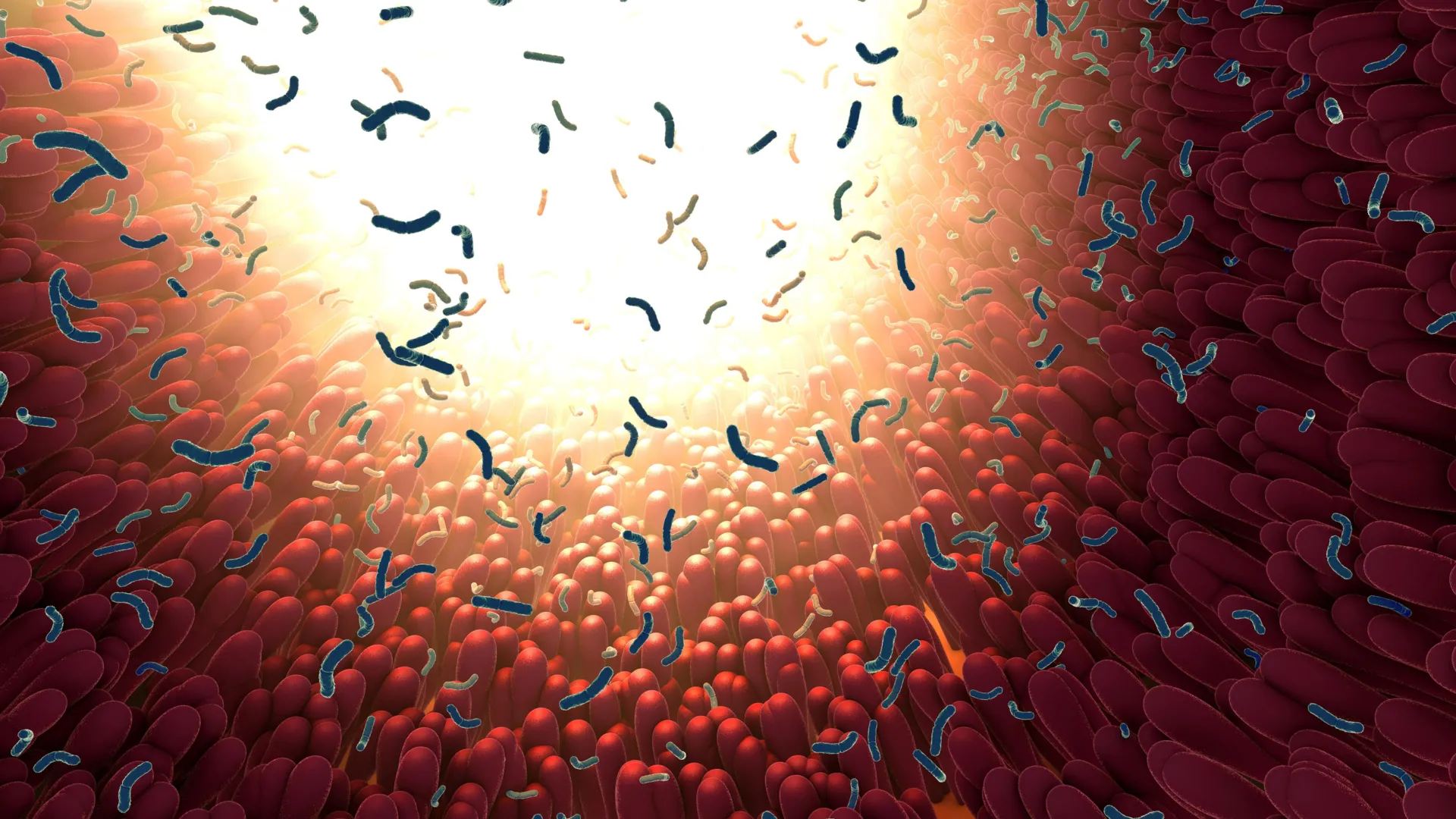
Researchers found that drugs within the same class did not necessarily produce identical effects on the microbiome. This suggests that microbial effects may depend on the specific medication rather than the drug class alone.
The University of Tartu Institute of Genomics team said that this variation within a single drug category highlights the complexity of predicting microbiome changes based solely on prescription categories. The finding emerged from the same analysis of the Estonian Microbiome cohort that identified the broader benzodiazepine signal.
The follow-up sampling tracked participants who started or stopped these medications.
Although the follow-up group was relatively small, the predictable microbial shifts observed when drugs were initiated or discontinued provided evidence that the medications themselves contributed to the changes.
The results point to an important consideration for scientists studying links between gut bacteria and disease. If previous medications are not accounted for, researchers could mistakenly attribute microbial differences to a disease or other health factor when past drug exposure may have contributed, the study authors noted.
“This is a comprehensive systematic evaluation of long-term medication effects on the microbiome using real-world medical health records,” said Professor Elin Org, corresponding author. “We hope this encourages researchers and clinicians to factor in medication history when interpreting microbiome data.”
The study identified persistent microbial changes but did not establish that such changes are necessarily harmful or lead to specific health problems, the researchers emphasized.
Related reading

Polly Hudson’s Husband Didn’t Notice AI-suggested Replies
An iOS update pushed Apple Intelligence onto writer Polly Hudson’s phone, and the suggested replies it generated fooled...

Health Minister to Miss Taoiseach’s CUH Visit, Spokesperson Says
Minister Carroll MacNeill confirmed Sunday she will not attend the CUH meeting with Taoiseach Micheál Martin on Monday....

Bloomberg Reports Apple Job Posting For Autonomous AI Agent
Apple posted a job listing on November 17 for a senior engineering manager to build an autonomous AI...

Neandertal DNA Variant Shrinks Occipital Lobe, Lowers Schizophrenia Risk, Study Says
A Neandertal-derived genetic variant shrinks the occipital lobe in modern humans and is linked to a lower risk...