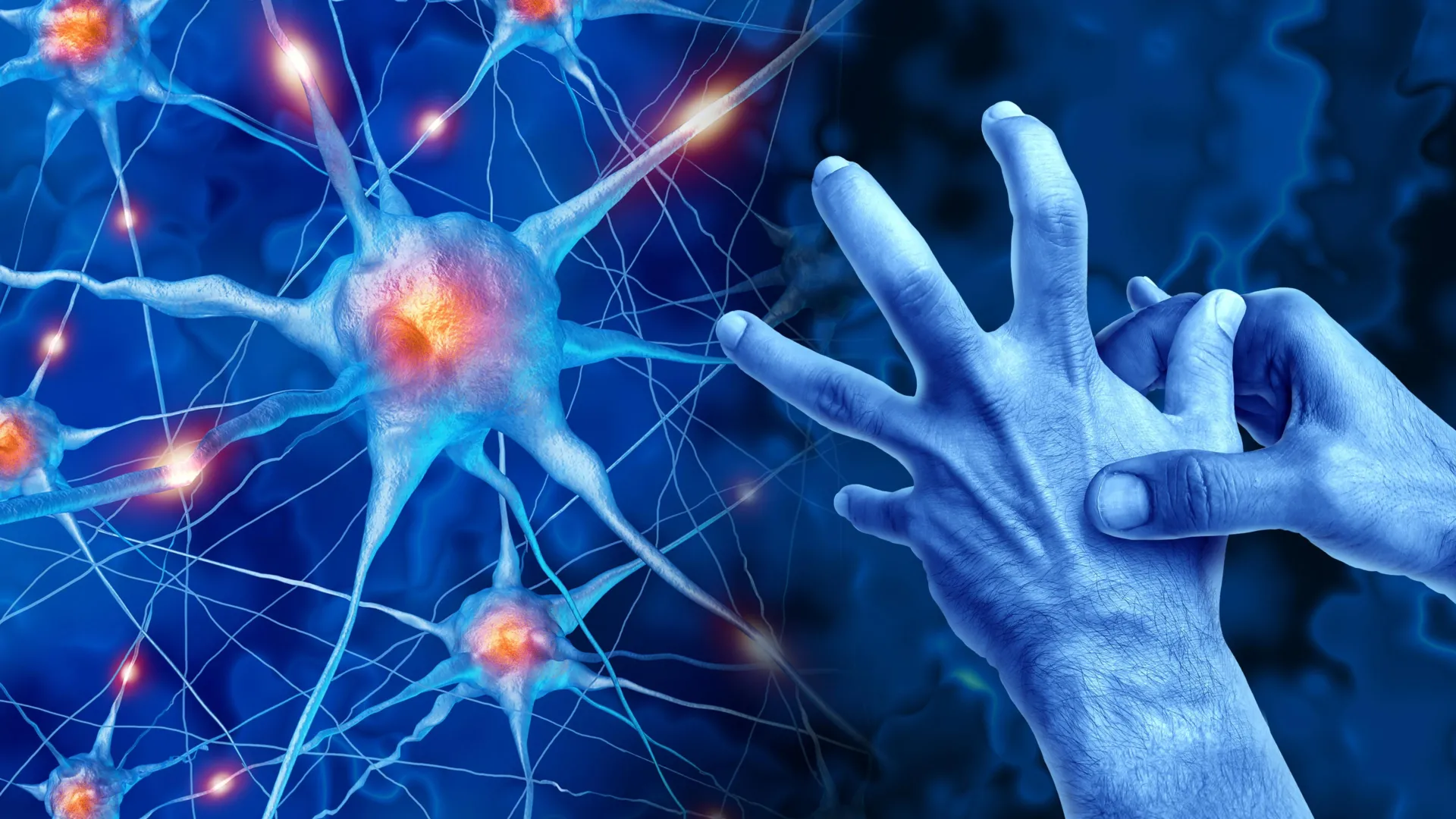
People with long-term residential exposure to chlorpyrifos face more than 2.5 times the risk of developing Parkinson’s disease compared to those without exposure, according to a study published in Molecular Neurodegeneration.
The research steps past generalized warnings about agricultural chemicals. By mapping how the substance interacts with the brain at a cellular level, scientists at UCLA Health have uncovered a specific biological pathway that explains how the pesticide drives neurodegeneration. Nearly one million Americans live with Parkinson’s disease, a progressive condition characterized by tremors, muscle stiffness, and the gradual loss of dopamine-producing neurons.
Tracking Exposure Through California Records
To untangle the environmental factors influencing the disease, researchers examined data from 829 people diagnosed with Parkinson’s and 824 healthy controls enrolled in the Parkinson’s Environment and Genes study. Scientists combined decades of detailed California pesticide application records with the residential and workplace address histories of the participants. That high-resolution tracking allowed the team to estimate exact chlorpyrifos exposure over time.
The numbers showed a striking divide. Individuals living near areas of heavy chlorpyrifos application showed a greater than 2.5-fold increase in Parkinson’s incidence. While the population analysis established a strong statistical link, the team needed to prove causation. They turned to laboratory models to see if the chemical could replicate actual physical damage in the brain.
How Chlorpyrifos Breaks Down Brain Cells
Researchers exposed mice to chlorpyrifos in aerosol form for 11 weeks to simulate environmental inhalation. The exposed animals developed noticeable movement difficulties and lost the precise dopamine-producing neurons that fail in human Parkinson’s patients. Furthermore, brain tissue analysis revealed significant inflammation and abnormal clumps of the protein alpha-synuclein, a hallmark pathology of the disease.
To pinpoint the cellular failure, the investigators used zebrafish models to observe nerve cell mechanics in real time. Their experiments demonstrated that chlorpyrifos disrupts autophagy—the internal cellular recycling system responsible for clearing out damaged proteins. Without this maintenance crew, toxic debris builds up inside neurons until the cells die.
“This study establishes chlorpyrifos as a specific environmental risk factor for Parkinson’s disease, not just pesticides as a general class,” said Dr. Jeff Bronstein, professor of Neurology at UCLA Health and the study’s senior author. “By showing the biological mechanism in animal models, we’ve demonstrated that this association is likely causal. The discovery that autophagy dysfunction drives the neurotoxicity also points us toward potential therapeutic strategies to protect vulnerable brain cells.”
Regulatory Context and Residual Risks
The chemical in question has a long history of regulatory restriction. Its residential use was banned in the United States in 2001, and federal regulators imposed additional limits on agricultural applications in 2021. Despite these measures, chlorpyrifos persists on various domestic crops and remains widely applied internationally.
Because decades can pass between initial environmental exposure and the appearance of motor symptoms, identifying specific legacy chemicals remains critical for public health. The discovery that restoring cellular cleanup protects neurons in the laboratory opens a potential avenue for future treatments. For now, researchers emphasize that understanding these distinct biological triggers is the first step toward building targeted monitoring programs for populations historically exposed to agricultural neurotoxins.

Family Dog Saves Baby’s Life by Detecting Dangerous Heart Condition
When a family dog began acting unusual and refusing to leave a six-month-old infant alone in Somerset, England,...

PAL adjusts nearly 200 flights for ASEAN Summit in Manila – PortCalls Asia
As Metro Manila prepares to host global leaders for the 49th Association of Southeast Asian Nations (ASEAN) Summit,...

Drinking tea may help protect your heart, but there’s a surprising catch – Science Daily
How a Massive Nine-Year Study Links Daily Tea Consumption to Vascular Health Pouring a warm cup of tea...

Four people died after entering a waste chamber at a private hotel in Ujjain late Saturday
Four people died after entering a waste chamber at a private hotel in Ujjain late Saturday, according to...