
Central Wyoming College Opens Jackson Campus
Central Wyoming College has officially expanded its footprint into Teton County, opening a new campus in Jackson to serve the region’s growing educational needs. The move marks a significant shift for the institution, which has historically centered its operations in Riverton but has now established a permanent physical presence in one of Wyoming’s most unique economic landscapes.
Governor Mark Gordon visited the new facility this week, expressing optimism about the role the campus will play in the state’s long-term workforce development. The expansion aims to address the persistent gap between local workforce skills and the specialized demands of the Jackson Hole economy, which is heavily reliant on tourism, hospitality, and service-sector roles.
The establishment of the Jackson campus arrives at a time when housing and affordability challenges continue to dominate the local conversation. By offering localized courses, the college intends to provide residents with pathways to professional certification without the necessity of commuting or relocating to the main campus in Fremont County.
Workforce Development and Local Economic Integration
The college’s strategy focuses on aligning its curriculum with the immediate needs of Teton County employers. Administrators have indicated that the campus will prioritize programs that allow students to earn degrees or certifications that are directly applicable to the local job market. This approach is designed to mitigate the “brain drain” often seen in rural areas, where students leave for education and do not return.
“I am very excited to watch this grow,” Governor Gordon remarked during his visit to the new site, highlighting his administration’s broader goal of diversifying Wyoming’s economy through accessible higher education.
While the state government has been a proponent of the expansion, the project has also faced scrutiny regarding the fiscal sustainability of satellite campuses. Critics have historically pointed to the high overhead costs associated with maintaining physical infrastructure in Jackson, where commercial real estate prices are among the highest in the Mountain West. The college now faces the challenge of balancing this premium location with the necessity of keeping tuition affordable for a demographic that is increasingly squeezed by the cost of living.
Historical Context and Future Expansion
This expansion is not the first time the college system in Wyoming has attempted to bridge the gap between rural populations and higher education. However, the Jackson project is distinct in its scale and its explicit alignment with the specific economic engine of the Teton region. Previous attempts at regional outreach often relied on remote or temporary facilities; the permanent campus structure suggests a long-term commitment to the area.
The college administration plans to monitor enrollment trends closely as the facility matures. Future growth will likely depend on the success of partnerships with local businesses, which are expected to provide internships and practical training opportunities for students. For a town defined by its seasonal fluctuations, the college represents a potential stabilizing force, offering educational opportunities that remain consistent throughout the year.
The opening of the Jackson site follows a trend of community colleges across the United States shifting toward more specialized, localized hubs rather than relying solely on large, centralized campuses. Whether this model proves effective in the high-cost environment of Jackson remains the primary question for both the college’s board and the taxpayers supporting the initiative.

Jalen Brunson Makes Law & Order SVU Cameo as Detective Madison
Jalen Brunson Trades the Hardwood for the Precinct in SVU Cameo New York Knicks star Jalen Brunson made...

Justin Pearson accepts 9th District loss but vows to challenge map
The 9th District Results and the Future of Tennessee’s Political Map Democratic state Representative Justin J. Pearson has...
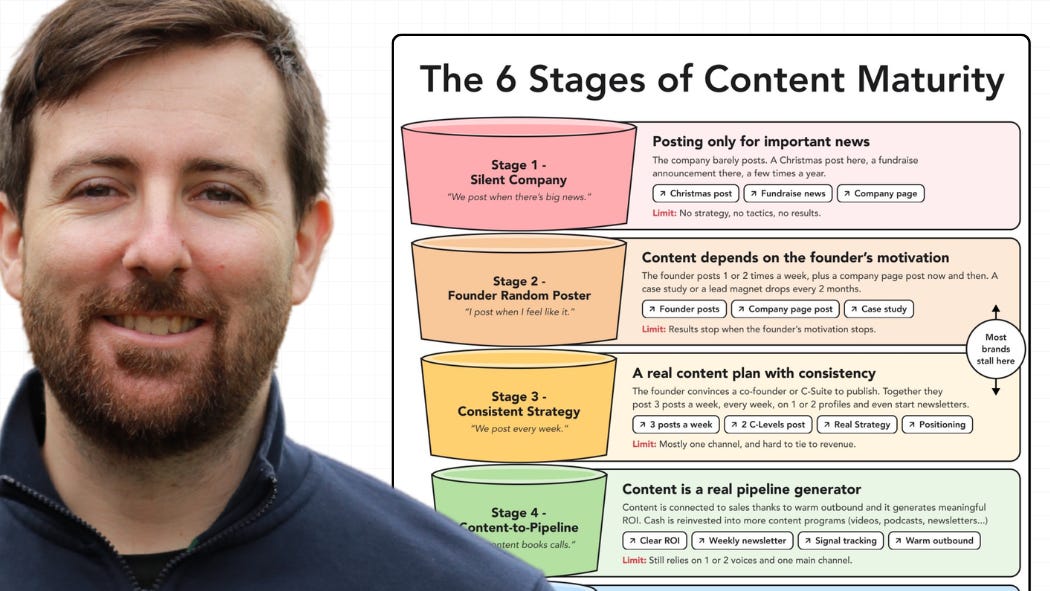
The 6 Stages of Content Maturity: How to Scale Your B2B Content Engine
Content maturity for B2B brands often stalls because companies rely on sporadic, founder-led updates rather than a systemic...

228 Roosters Seized From Redmond Cockfighting Operation
Deschutes County Detectives Seize 228 Roosters in Redmond Cockfighting Raid A long-term investigation into a property northeast of...