
West Virginia Households Face Higher Costs as Oil Profits Surge
West Virginians are currently navigating an inflation crisis that has tightened budgets across the state, even as major energy companies report record-breaking financial gains. While the price of gas at the pump is often perceived as a direct reflection of presidential policy, the current economic reality reveals a more complex intersection between international conflict, corporate profit margins, and the daily expenses of American families.
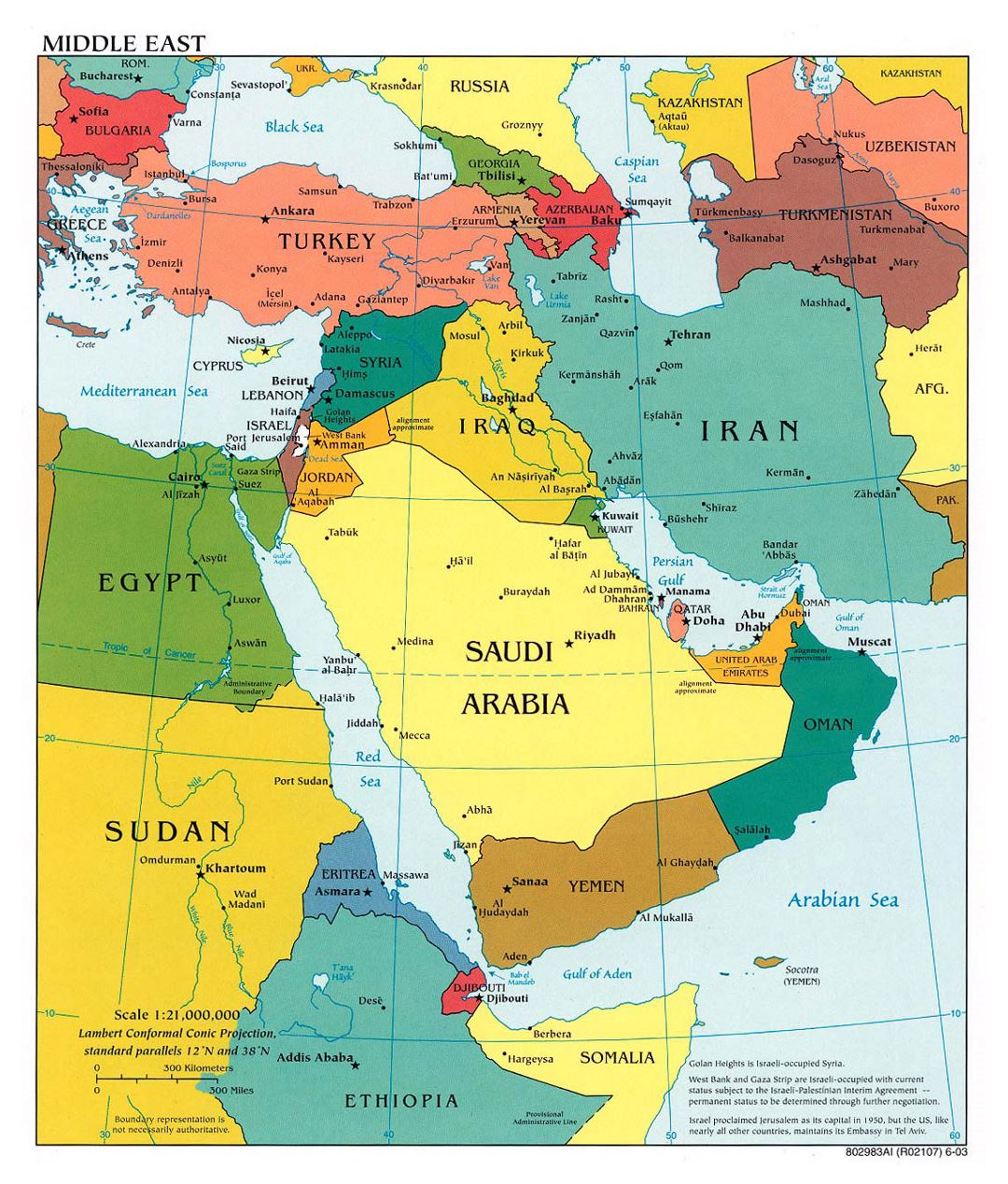
During a recent campaign rally in Georgia, President Donald Trump addressed the financial implications of the ongoing Iran War, noting that the conflict has significantly bolstered the revenue of U.S. oil companies. As reported by West Virginia Watch, the president stated, “Our country is making hundreds of billions of dollars because of what’s happening in the Middle East.” He acknowledged the potential for public criticism regarding these profits while citizens struggle with high pump prices, yet maintained that the country is growing stronger and expressed confidence that costs would eventually decrease.
Corporate Profits and the Cost of Goods
Just one week after those comments, the financial reports from major energy firms provided a clear picture of where that revenue is landing. On Friday, ExxonMobil and Chevron announced substantial increases in their bottom lines. ExxonMobil reported that its profits had doubled compared to the same period last year, while Chevron saw its profits nearly triple.
This financial windfall for energy corporations stands in stark contrast to the experience of the average consumer. For West Virginians, the impact is felt far beyond the gas station. Rising fuel costs have created a ripple effect throughout the economy, as increased diesel prices drive up the cost of transporting consumer goods. This has contributed to higher inflation numbers in October, leaving many families feeling that their purchasing power has diminished significantly in a short period of time.
“Our country is making hundreds of billions of dollars because of what’s happening in the Middle East… ‘President Trump is talking about all the money they’re making while people are suffering at the pump.’ That’ll be the headline. But I said, ‘I don’t give a damn, I’m going to say it.’ We’re making a freaking fortune.”
The Economic Disconnect for West Virginia Families
The disconnect between corporate earnings and household stability is a point of contention for many residents. While the president touted low gas prices during his State of the Union address earlier this year, the subsequent closure of a major oil shipping lane—linked to the ongoing war—has reversed that trend. This volatility has placed a heavy burden on those who rely on personal vehicles for their daily commutes and logistics.
The situation is further complicated by the broader national fiscal landscape. As the administration highlights corporate success, there is a simultaneous debate regarding the reduction of public goods, including food assistance and healthcare support. For families in West Virginia, these social safety nets are vital, and their potential curtailment suggests a divergence between national economic priorities and the immediate needs of the local population.
While the president argues that the current economic trajectory is strengthening the nation, the data from the past month suggests that the benefits of this “freaking fortune” are not trickling down to the average citizen. As the midterm elections conclude, the focus shifts to whether future policy decisions will prioritize the financial stability of everyday families over the record-breaking profits of the energy sector.
Worth a look

Jalen Brunson Makes Law & Order SVU Cameo as Detective Madison
Jalen Brunson Trades the Hardwood for the Precinct in SVU Cameo New York Knicks star Jalen Brunson made...

Justin Pearson accepts 9th District loss but vows to challenge map
The 9th District Results and the Future of Tennessee’s Political Map Democratic state Representative Justin J. Pearson has...
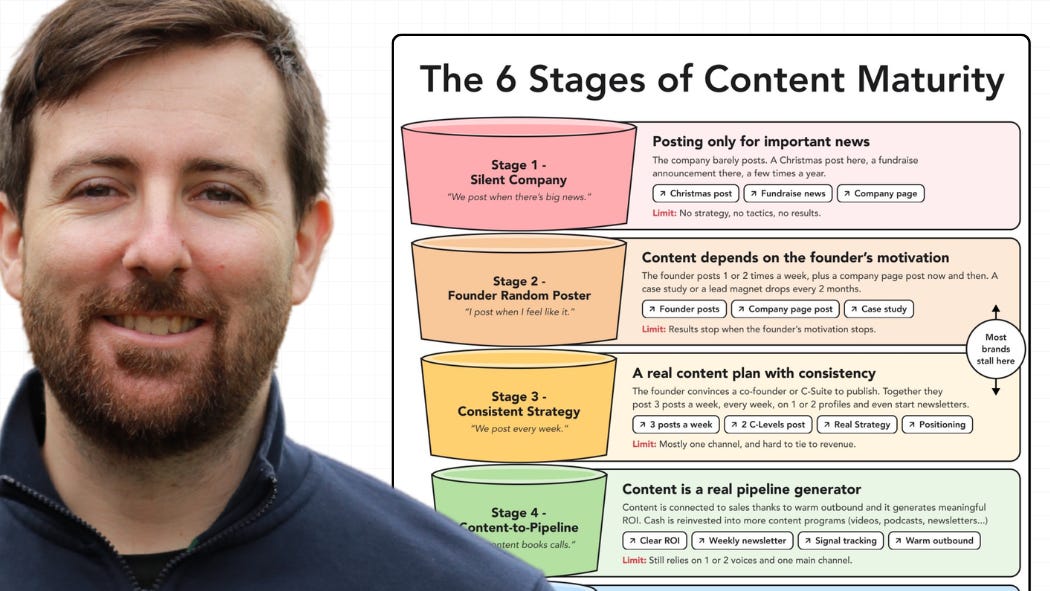
The 6 Stages of Content Maturity: How to Scale Your B2B Content Engine
Content maturity for B2B brands often stalls because companies rely on sporadic, founder-led updates rather than a systemic...

228 Roosters Seized From Redmond Cockfighting Operation
Deschutes County Detectives Seize 228 Roosters in Redmond Cockfighting Raid A long-term investigation into a property northeast of...