
The City of Concord is turning to the national art community to refresh its downtown aesthetic, inviting artists from across the United States to submit proposals for the second iteration of its Downtown Concord Sculpture Show.
This initiative, aimed at maintaining the momentum of the city’s ongoing urban revitalization, will place new public art along the recently renovated Union Street, a corridor frequently highlighted in travel and lifestyle media as one of the most charming downtowns in the country.
For artists, the project offers a specific financial and logistical framework. The City of Concord Public Art Commission is offering a $2,500 stipend to each selected artist, according to reporting from Newsbreak. This payment is designed to cover the two-year lease of the artwork, as well as the costs associated with delivery, professional installation, and eventual removal of the pieces.
The program is open to any artist aged 18 or older residing within the United States, as noted by the Independent Tribune. The city is looking to curate a collection that will remain on display from March 2027 through March 2029.
By leasing the sculptures rather than commissioning permanent works, the city maintains a rotating gallery model that allows the streetscape to evolve every two years, preventing the visual stagnation that can sometimes plague long-term public art installations.
The Mechanics of Submission
The timeline for those interested is relatively tight. Interested participants must finalize their submissions by the end of the day on Friday, December 11, 2026. The city has centralized the necessary entry forms and full submission guidelines on its official municipal website, providing a direct path for applicants to review the specific structural requirements and safety standards needed for outdoor exhibition in a high-traffic pedestrian area.
This project is part of a broader strategy to leverage cultural amenities to sustain local business activity. By focusing on the renovation of Union Street, the city is betting that public art acts as a “third space” catalyst—a destination that encourages residents and visitors to linger longer in the downtown core, thereby increasing foot traffic for nearby retail shops and restaurants.
Economic Stakes and Civic Strategy
The decision to solicit national talent for local infrastructure reflects a growing trend among mid-sized municipalities attempting to distinguish their brand in an increasingly competitive regional economy. While the $2,500 stipend provides a baseline of support for the artists, the real value for the city lies in the potential for these installations to generate “social currency”—the kind of visibility and engagement that drives local tourism and reinforces the city’s reputation as a cultural destination.
However, the model is not without its critics. Some local advocates often argue that such budgets should be prioritized toward permanent works by regional artists, rather than temporary, nationally sourced installations.
The city’s approach—prioritizing a biennial, rotating exhibition—effectively hedges against the risk of permanent aesthetic choices that might not resonate with the community long-term.
As the December deadline approaches, the City of Concord remains focused on the selection process.
The success of the 2027 show will ultimately be measured not just by the quality of the individual sculptures, but by whether the collection creates a cohesive, inviting environment that justifies the city’s continued investment in the physical appearance of its commercial heart.
Worth a look

The Psychology of Leadership: Pierre Poilievre and the Weight of Political Resilience
In a column for National Newswatch, Adam Miron argues that Conservative Leader Pierre Poilievre is currently navigating the...
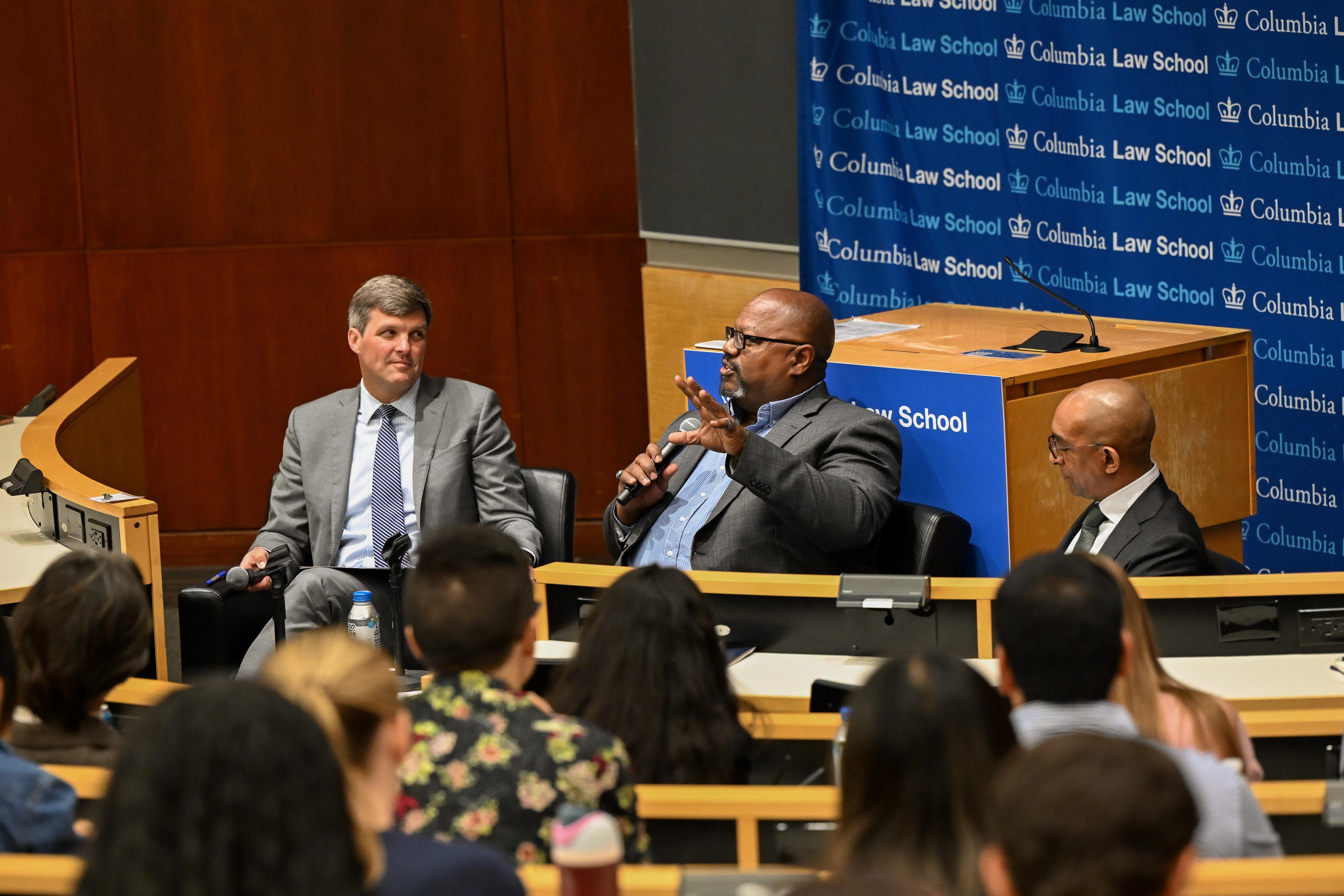
Judges Discuss Civil Discourse and Judicial Career Paths at Distinguished Jurist Series
Federal judges appointed by opposing presidents are finding common ground in an era of increasingly corrosive public debate....

Saline County Volunteers Honor Local Veterans in Harrisburg Gathering
“I just want them to know how much we appreciate them and we love our freedom and it’s...

Man Critically Injured in Portland Old Town Shooting
A man is fighting for his life following an overnight shooting on Northwest Naito Parkway in Portland's Old...