
Eelgrass coverage in New Hampshire’s Great Bay Estuary has dropped roughly 80% since 2024, a collapse researchers at the University of New Hampshire link directly to the estuary’s deteriorating health, New Hampshire Bulletin reported.
The Conservation Law Foundation put the Environmental Protection Agency on formal notice Thursday, announcing plans to sue Administrator Lee Zeldin, Regional Administrator Mark Sanborn, and the agency itself for what it describes as a years-long failure to curb the stormwater pollution driving that decline.
The 60-day notice letter, required under the Clean Water Act and the Administrative Procedure Act, starts the clock on a federal lawsuit expected in the U.S. District Court for the District of New Hampshire.
“There is a very large body of evidence documenting the decline in health in the estuary over decades. …The state and federal agencies are well aware of this problem, and it’s way past time for EPA to step up.”
CLF Senior Attorney Heidi Trimarco told New Hampshire Bulletin on Thursday.
The estuary, a tidal water body eight miles inland from the Gulf of Maine near Newmarket, is one of 28 nationally significant estuaries designated by the EPA. Its brackish marshes support commercially important fisheries, including clams and oysters, but nitrogen-laden stormwater runoff has turned the system into a warning light for coastal ecosystems across New England.

Development around the watershed has replaced absorbent green space with roofs and parking lots, preventing rainwater from filtering through soil. Instead, the water rushes across impervious surfaces, carrying nitrogen from fertilizers, wastewater, and atmospheric deposition straight into the bay. Intensifying storms linked to climate change have amplified the volume and velocity of that runoff.
CLF first petitioned the EPA in 2023 to establish a permitting protocol regulating stormwater discharge from commercial, industrial, and institutional properties in the watershed. The Clean Water Act, Trimarco said, required the agency to issue a decision within 90 days. The EPA has not responded.
The EPA did not respond to a request for comment from the Bulletin on Thursday.
If the suit succeeds, the resulting permits could be applied retroactively to existing developments, requiring property owners to install additional controls. Residential properties are explicitly excluded from the request, Trimarco said.
Great Bay Estuary covers more than 6,000 acres and extends 12 miles inland from the Piscataqua River mouth, making it one of the most recessed estuaries on the East Coast. Formed roughly 14,000 years ago by glacial meltwater flooding river valleys, the system drains seven major rivers and exposes more than half its area as mudflats at low tide.
Those flats and the eelgrass meadows that once dominated the bay support 162 bird, fish and plant species, including 23 listed as threatened or endangered. European settlers later relied on the tidal flow to move timber, salt hay and other cargo aboard flat-bottomed gundalows, a trade that left the bay bottom buried under inches of sawdust.
The National Estuarine Research Reserve System Science Collaborative warns that the pollution risks pushing Great Bay past an ecological tipping point, after which recovery becomes “extremely challenging and costly.”

C.A.R.E. Board Meets Thursday With 160 Animals in Shelter
The C.A.R.E. Board meets Thursday as the shelter housing over 160 animals launches its Giving Tuesday campaign for...
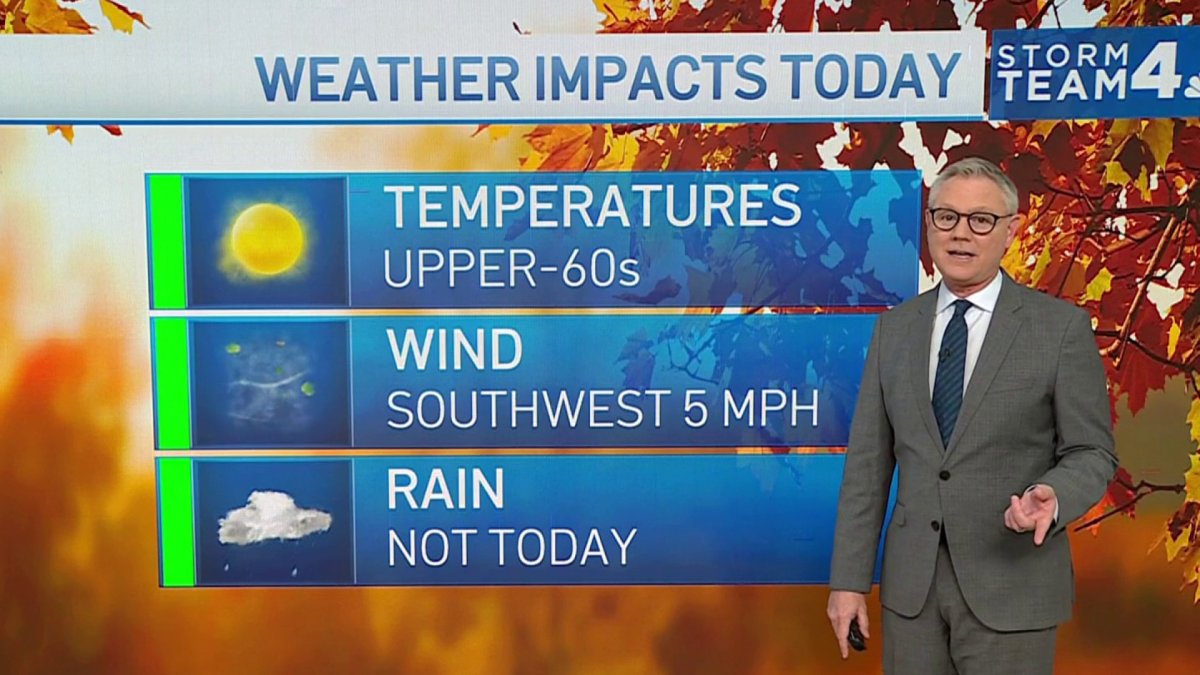
Mid-Atlantic Sliding Back Into Drought; Coastal Storm May Bring Weekend Rain, Cold Thanksgiving Ahead, NBC4 Says
The Mid-Atlantic is sliding back into drought while a coastal storm forming off Florida this weekend could either...

Talbott Springs Elementary Lifts Proficiency Above State Averages, the Banner Reports
Talbott Springs Elementary in Columbia nearly doubled the statewide improvement rate on Maryland's annual assessment, lifting math proficiency...

No. 15 Iowa at Illinois: CFP Stakes, Injuries, Odds and Picks
No. 15 Iowa carries an 8-2 record and College Football Playoff aspirations into Champaign on Saturday, where a...