
Picture a Center City Philadelphia infill site where a narrow side street allows exactly one delivery truck at a time. Now imagine that truck arrives with the wrong steel first, blocking the only access route while a crane sits idle and the erection crew waits. That single misstep is how projects bleed money—and it is entirely preventable.
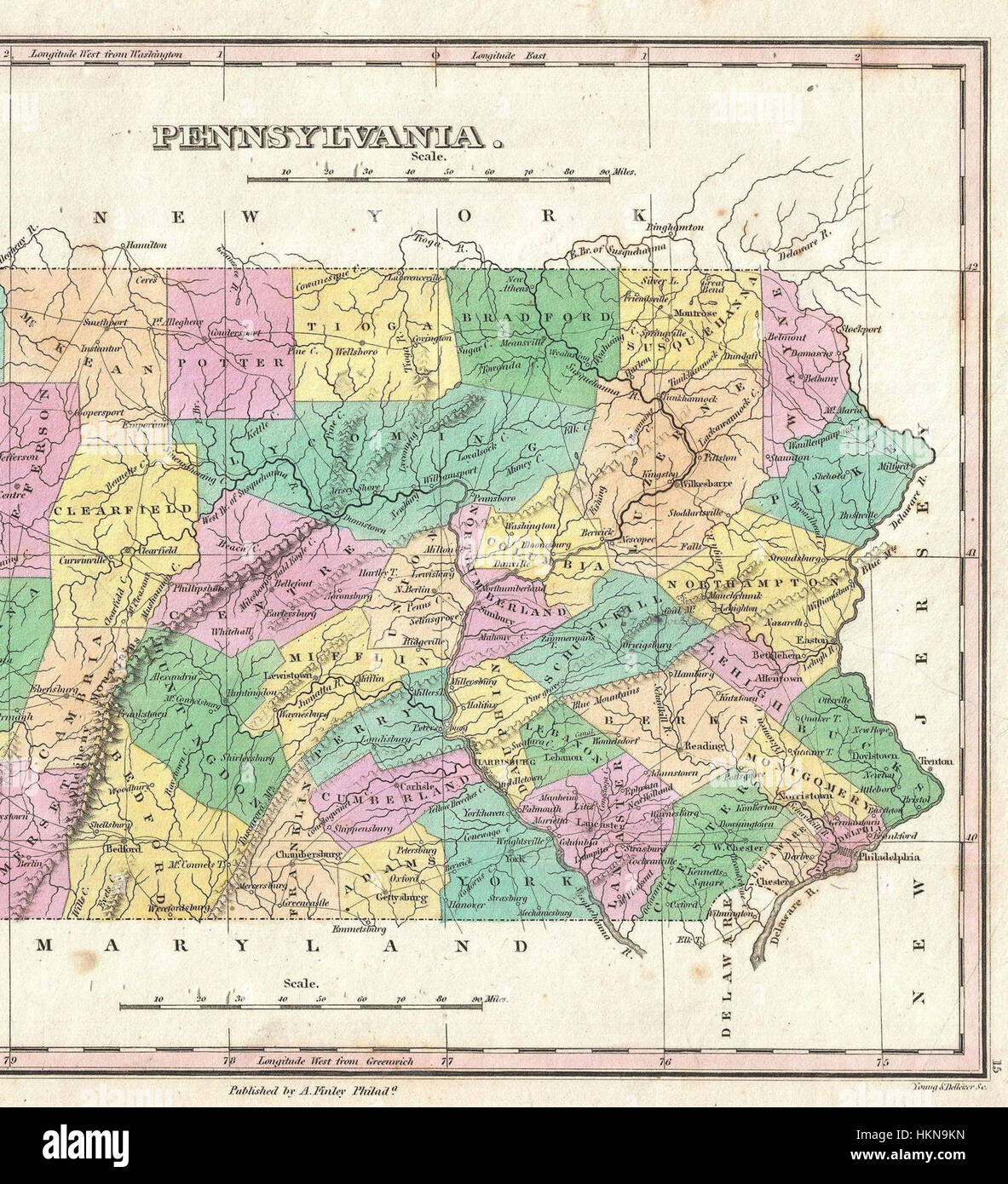
ABC Eastern Pennsylvania reports that constructability steel delivery planning is the difference between a crew that starts picking steel on arrival day and one that watches a crane burn daylight while everyone scrambles to figure out where the first column goes. Across the chapter’s 17 counties, the geography shapes the stakes. A hospital expansion in Montgomery or Bucks County might have to share its sole access route with ongoing patient traffic. A 500,000-square-foot distribution facility along I-78 in the Lehigh Valley or I-81 in Northeast Pennsylvania might require 60-foot girders brought in a sequence that aligns with a crane operating bay by bay over a quarter-mile site. None of these sites can absorb steel showing up before the drawings, site, and erection sequence are ready.
The Geography of Getting Steel Wrong
Eastern Pennsylvania does not give contractors room for error. In dense Philadelphia neighborhoods, delivery windows must account for school traffic patterns and street-use permits. In the Lehigh Valley, winter mud and snow storage can encroach on planned staging areas. On remote Northeast Pennsylvania hillsides, rough access roads and fewer nearby fabricators create constraints that demand the same rigorous advance planning as a tight urban lot.
Constructability reviews generally happen when designs reach 40–60% completion, allowing teams to identify issues before they get locked into shop drawings. In terms of delivery, this involves aligning member sizes, splice locations, and bolted connections with actual crane access, rigging equipment, and the planned erection sequence for a particular site. This is not value engineering. Cutting tonnage differs from ensuring a steel beam can be lifted, swung, and fastened at the location the schedule specifies.
The Fabricator’s Six-to-Ten-Week Homework
Fabricators are planning partners, not just suppliers. AISC publishes guidelines on delivery sequencing that confirm what seasoned project managers already understand: the GC should ask for specific details at least six to ten weeks prior to the initial delivery.
That baseline package covers piece-mark schedules listing each member with its weight, connections, and camber; a recommended erection sequence indicating which members come first for structural stability; and a truck loading plan specifying how components will be grouped, with precise dimensions matched to trailer and roadway limits. Shop drawings must clearly show field-weld locations, bolted connection details including bolt diameter, grade, length, and tensioning requirements, and camber so site teams can plan for tolerances. Fabricators should also flag lead-time constraints from mills, including delays driven by procurement schedules or trade policy.
Connection design directly impacts how quickly steel can be secured. Bolted connections are faster to install than welded connections, and slip-critical connections require bolts to be fully tensioned to specified torque values. Field welding demands hot-work permits, qualified welders, and more time at height. Recommended steel delivery practices call for loading based on erection sequence to prevent site congestion, ensuring members required for first-tier stability, braced frames, and initial fall protection connection points come on the first trucks rather than the last.
OSHA Doesn’t Wait for Your Truck
OSHA’s Subpart R (29 CFR 1926) mandates that the controlling contractor verify site layout, construction sequence, and site preparation before steel erection starts, and design fall protection systems and temporary bracing well ahead of any delivery. These are obligations that, if missed, can stop a project cold. Site factors such as drainage issues, mud, and winter frost must be assessed well in advance of scheduling the initial delivery.
Site access must be clear for cranes and trucks, with roads capable of supporting delivery loads. Laydown and staging areas must be firm, graded, and drained. Ground conditions must be stable for crane setup, including outrigger pads. Cold weather assessment: frozen ground might necessitate mats, de-icing of access roads, and weather protection for staged materials. Permits for crane placement, street closures, and delivery windows must be confirmed. Utility locates must be marked, including overhead power lines. These mandates ensure work starts on a prepared site, not one where the pressure of an arriving truck compels the crew to “start anyway.”
Matching Steel Deliveries to Construction Phases
Steel deliveries cannot be treated as generic bulk shipments. They must be timed to match the erection sequence—verify foundations and anchor bolts, erect first-tier columns, set beams and girders, install temporary bracing, place metal decking, and move to the next tier only when the completed section can carry loads. Schedule optimization prevents bottlenecking caused by early or late steel deliveries. Just-in-time delivery aligns with the erection crew’s daily output and crane availability, minimizing double-handling and maintaining clear laydown areas. Recognizing task dependencies is essential for effective construction sequencing: if a braced frame has to be finished before decking crews can proceed, the steel for that frame cannot be on truck number four. Integrate steel delivery milestones into lookahead schedules.
On tight lots, laydown planning is often the bottleneck long before the crane arrives. Establish one-way material flow from truck to staging to crane pick point. Zone-code staging areas to prevent mixing erection tiers, and keep fall protection equipment separate from general material storage. When essential members show up on a subsequent truck, erection halts, temporary bracing plans prove insufficient, and improvised fall protection takes the place of engineered solutions.
The cost of getting this wrong is measured in crane idle time, rework, and safety hazards that shouldn’t exist. The steel is coming. The only question is whether the site will be ready when it arrives.
Keep reading
Editorial: Albany’s living street-naming policy risks losing honor, dignity
In a column for the Times Union, the newspaper's editorial board argues that Albany's decision to begin naming...

Democrats Sweep Oklahoma County Elections, Jail Tax Rejected
Oklahoma County voters delivered a stinging rebuke to county leadership on Tuesday, rejecting a proposed sales tax to...
NYC Municipal Workers Face Contract Expiration as Wage Fight Looms
The contract covering 90,000 New York City municipal workers expires Friday, leaving roughly 30 percent of the city’s...

Leeds United fans apply for Manchester City away tickets, 2 Dec 2026
Leeds United supporters can apply for tickets to the Premier League away fixture against Manchester City at the...