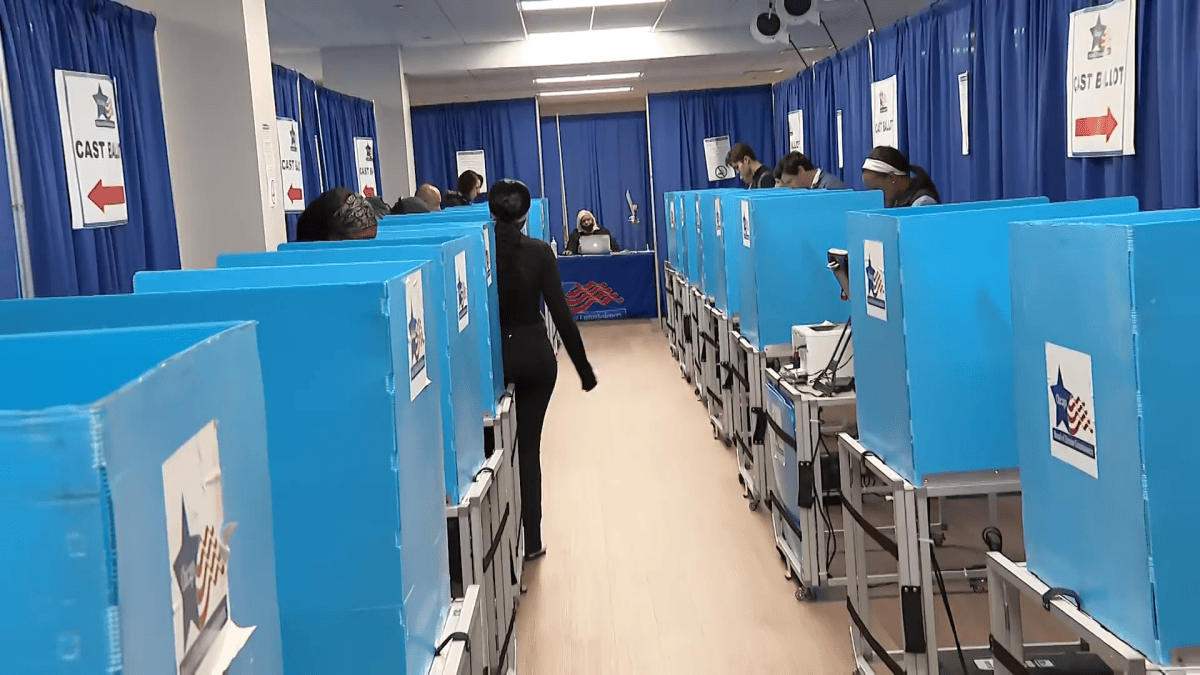
Illinois voters face a non-binding millionaire tax question this Election Day
As Cook County residents head to the polls this Tuesday, the ballot features a high-stakes question regarding the state’s tax structure. Known as the Millionaire Amendment for Property Tax Relief and Education, the measure asks if Illinois should implement a 3% income tax surcharge specifically targeting millionaires. According to reporting from NBC Chicago, the proposal is designed as a dual-purpose mechanism: half of the generated revenue would be directed toward property tax relief for both residential and commercial taxpayers, while the other half would bolster state funding for public education.
While the question may seem like a direct path to tax reform, there is a significant legal distinction voters must understand. The ballot question is non-binding, serving as an informational tool rather than a mandate. Even if a majority of voters support the surcharge, it will not take effect automatically. Because the proposal involves changing the state’s fundamental tax structure, Illinois would first need to amend its constitution—a process requiring action from state lawmakers and a subsequent statewide vote. Earlier this year, efforts to pass a joint resolution to move this forward in Springfield failed.
The economic implications of the amendment are substantial. An April report from the Illinois Economic Policy Institute provided a breakdown of how this shift could alter the state’s fiscal landscape. The institute estimated that the tax would affect approximately 41,000 people across Illinois.
| Metric | Estimated Impact |
|---|---|
| First-year revenue generation | $3.8 billion |
| Projected annual revenue by 2030 | $4.2 billion |
| Potential homeowner rebates | $1,500 per person |
| Potential property tax bill reduction | Up to 20% |
| Number of homeowners receiving rebates | 3 million |
Debate over business impact and economic consequences
The proposal has split opinion between those seeking relief from rising property costs and those concerned about the state’s broader economic climate. Supporters point to the potential for significant relief, noting that two years ago, 61 percent of statewide voters expressed support for the concept. The prospect of cutting property tax bills by as much as 20% for millions of residents serves as the primary driver for the amendment.

However, the tax is not without its detractors. Opponents argue that a surcharge on high earners could create unintended consequences for the local economy. The central concern is that such a tax might inadvertently harm business owners and individual taxpayers who, while not millionaires themselves, are tied to the economic health of the state. The fear is that increased tax burdens on top earners could stifle investment or drive wealth out of Illinois, potentially undermining the very revenue streams the state relies on for education and infrastructure.
The millionaire tax question is just one of several competing priorities appearing on ballots across the region. In Chicago, voters are weighing multiple issues, including two specific questions regarding Chicago Public Schools (CPS). One asks if owners of long-term vacant or undeveloped property should pay an additional fee to support the district, while another asks if revenue from a millionaire tax surcharge should be used specifically to increase public school funding.
Local school districts seek significant bond authorizations
Beyond the broad tax debates, many communities are voting on massive infrastructure investments through bond authorizations. These measures represent a direct connection between voter approval and the physical state of local schools and community facilities. The scale of these requests varies significantly by district, reflecting different localized needs for repairs, security, and specialized education.
- Community School District 300: Seeking more than $355 million in bonds to build a new Career and Technical Education Center and perform various school building repairs.
- Township High School District 214: Seeking $295 million to repair and equip high schools in areas including Buffalo Grove and Elk Grove.
- East Maine School District: Seeking approximately $120 million to improve school security and facilitate repairs.
- Moraine Valley Community College: Seeking $115 million to build and repair facilities for programs ranging from automation and engineering to fire science and welding.
- Evergreen Park: Seeking $68 million for a new middle school.
- Skokie Park District: Seeking $53 million for a new recreation center and additional facilities.
In addition to these large-scale construction projects, Chicago voters will consider several advisory questions. These include the potential reintroduction of gunshot detection technology, the development of permanent festival spaces to replace the use of Grant Park and Douglass Park, and whether the city should attempt to recover financial losses stemming from Operation Midway Blitz, an immigration enforcement operation conducted by the Trump administration.
In various municipalities, including Alsip, Calumet Park, Crestwood, and Markham, voters will also decide on the implementation of term limits. Meanwhile, in Orland Township, the ballot includes questions regarding the right of voters to propose ordinances via petition and the subsequent evaluation of those ordinances.
The results of these votes will determine whether the momentum for tax reform and massive infrastructure spending continues, or if the state’s fiscal direction remains unchanged. While the millionaire tax question today provides a temperature check of public sentiment, the path to actual legislative change remains blocked by the constitutional hurdles that stalled earlier efforts in Springfield.
Project HALO Volunteers Celebrate Election Day Across Metro Atlanta
Music and bubbles greet voters across metro Atlanta on Election Day Music, dancing, and bubbles greeted voters at...

Wayne Howard Bartron, Sr. Dies at Age 79 in Wilmington, Delaware
Wayne H. Bartron, Sr. passes away in Wilmington at age 79 Wayne Howard Bartron, Sr. passed away peacefully...

Connecticut SB 5 imposes new AI rules for employers and developers
Connecticut expands oversight of AI-driven hiring decisions Connecticut has joined a growing roster of states tightening the leash...

Denver offers low-cost holiday activities and events this November
Denver residents can access a variety of low-cost holiday activities this November, including free frozen custard at Good...