
“As we’re looking at a large-scale retirement community, we have to start talking about: What do we do for the next generation to give them the reins of our towns, of our communities, of our leadership?” said Kanzler, executive director of the Littleton-based Affordable Housing Education and Development (AHEAD).
That is the reality facing New Hampshire’s most remote region, where a statewide housing crunch collides with severe demographic shifts. Coos County is struggling to maintain affordable housing units as landlords and homeowners convert traditional residences into short-term rentals, according to reporting published on Tuesday, November 17, 2026.
Community leaders and housing executives gathered at a conference in Whitefield last week to examine how the tight housing market impacts local residents. Harrison Kanzler, executive director of the Littleton-based Affordable Housing Education and Development (AHEAD), warned that the deficit in affordable units discourages young people from moving north. Without younger residents stepping in, Kanzler noted, the county risks being left with an aging population lacking necessary caretakers.
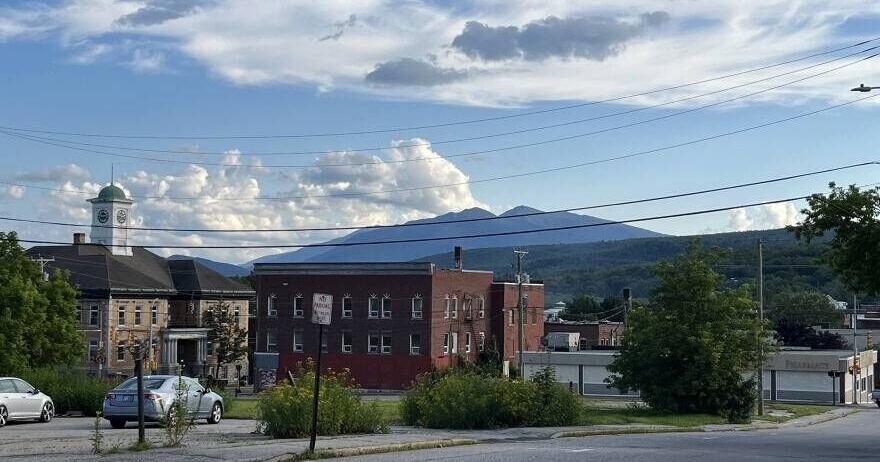
Building new housing or rehabilitating vacant structures in the North Country involves steep financial hurdles. Developers must pay for specialized professionals to handle expensive, non-negotiable tasks such as lead remediation. The region also suffers from a smaller pool of local builders, forcing developers to recruit contractors from as far away as Portland, Maine, and Burlington, Vermont.
“To find contractors to come and work in the North Country, you have to pay more than you would in another area,” developer Kevin Lacasse with New England Family Housing said. “However, the income generated from these properties is less, so it makes that challenge of developing in rural areas that much more difficult to do.”
Rising construction material costs compound these labor expenses. Projects utilizing federal subsidies must also comply with the Build America, Buy America Act, which mandates the use of American-made products. Kanzler argued that federal and state funding levels for housing development remain inadequate, leaving grant money stretched thin across competing projects.
Despite these obstacles, AHEAD is currently converting a former pharmacy building in Whitefield into multiple housing units committed to affordable rental rates for the next 20 years. That project required a lengthy design, permitting, and predevelopment process before construction even began earlier this year.
Bringing affordable housing to the community will take time as the deck remains stacked against the region.
Worth a look

Allegiant and Sun Country Announce 16 New Nonstop Routes for Summer 2027
Allegiant Travel Company announced on Monday 16 new nonstop routes across Allegiant Air and its recently acquired subsidiary,...

Michigan Governor-Elect Benson Wants to Work With Trump on Tariffs
Michigan Governor-elect Jocelyn Benson is preparing to step into the state’s top office on January 1, 2027, with...

Boston Celtics Host Orlando Magic at TD Garden Tonight
The Boston Celtics host the Orlando Magic at TD Garden tonight for their 14th game of the regular...

Supreme Court Upholds Maryland Gun Restrictions in Sensitive Places
The U.S. Supreme Court on Monday declined to intervene in a legal battle over Maryland’s 2023 gun control...