
As Vermont prepares for the start of the winter tourism season, the state is grappling with a stark economic reality: the very workforce needed to sustain its resorts and businesses is being priced out of the communities they serve.
The challenge centers on a widening gap between stagnant local wages and a housing market that has become increasingly hostile to middle-income earners. According to recent data, only Alaska saw a larger increase in house prices over the past year than Vermont. This escalation is colliding with the state’s long-standing demographic hurdles, including an aging population and the lowest fertility rate in the nation.
For resort operators and business owners, the housing crunch has transitioned from a logistical nuisance to an existential threat. A decade ago, Killington’s seasonal workers—including a vital international contingent—could readily find affordable housing in neighboring hubs like Rutland. That path is now effectively closed.
The situation has forced companies to move into the real estate business, a sector they were never designed to manage. Chris Karr, owner of The Karr Group, which operates various dining, nightlife, and retail venues in the Killington area, described the mounting pressure to secure lodging for his staff.
“That’s not investing (directly into) our business, but it’s just more to keep staff in place, or to attract them, and that’s tough, said Karr.”
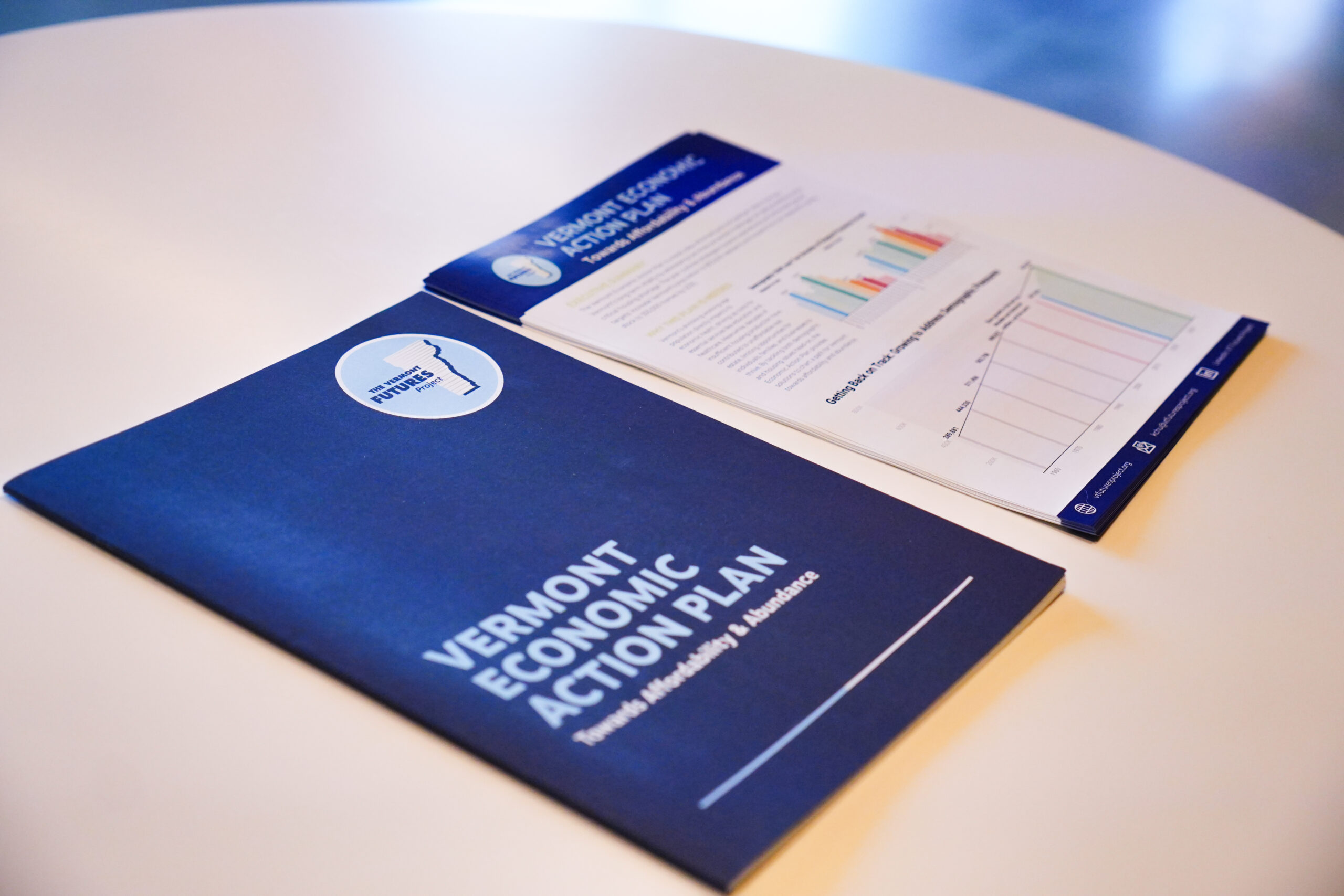
This sentiment is reflected in the Vermont Futures Project’s 2026 Business Climate Survey. While 37% of respondents reported growth over the last year, their confidence in the state’s overall business climate has slipped, with ratings dropping from 2.86 to 2.62 out of 5.
The impact of these costs extends well beyond the tourism sector. Robert Miller, CEO of EastRise Credit Union in Williston, noted at a recent roundtable in Waitsfield that his customers are feeling the cumulative weight of rising rent, childcare, and healthcare expenses. He observed that many families have stopped saving for discretionary items altogether, a trend he characterized as unsustainable.
Even high-growth companies are feeling the pinch. BETA Technologies, the South Burlington-based firm behind all-electric aircraft, has expanded its headcount to 1,500 employees, adding 650 positions this year alone. Despite plans to hire thousands more, the company is not immune to the state’s inventory shortages.
BETA currently owns employee housing, renting units to new hires for six to nine months to give them a window to find permanent homes. However, the firm’s leadership is wary of the long-term viability of this strategy.
“We found enough ways to make it work, but we see a wall coming, probably sooner than later, where we just struggle, said Blain Newton, chief information officer at BETA Technologies.”
The root cause of these pressures, according to some local leaders, is a fundamental decline in population that leaves the state with a shrinking pool of workers and taxpayers. Dennise Casey, who works in public affairs at BETA, argued that the state needs to pivot toward a more aggressive growth strategy if it hopes to reverse these trends.
“If we don’t all get super laser-focused on growth, like literal growth, like more people being born than dying, we’re going to continue to struggle, said Casey.”
As winter approaches and the seasonal labor force begins to arrive, the tension between the state’s economic ambitions and its housing reality remains at the forefront of the business community’s agenda. The challenge is no longer just about growth, but about maintaining the basic infrastructure of a functional local economy.

Gunman Kills One Man at DC Gym and Wounds Four Before Suicide
A gunman killed one man at a gym and wounded four others on Thursday morning in Washington, D.C.,...

Nashville Family Files Wrongful Death Lawsuit Against Music City Detox Over Alleged Neglect
When Amanda Gibson checked into Music City Detox in February 2025, she was seeking a path to sobriety...

RIHA Buys Providence Property for Hospitality Training Center
A historic Providence manufacturing building is slated to become a hospitality training center after being purchased for $1.8...
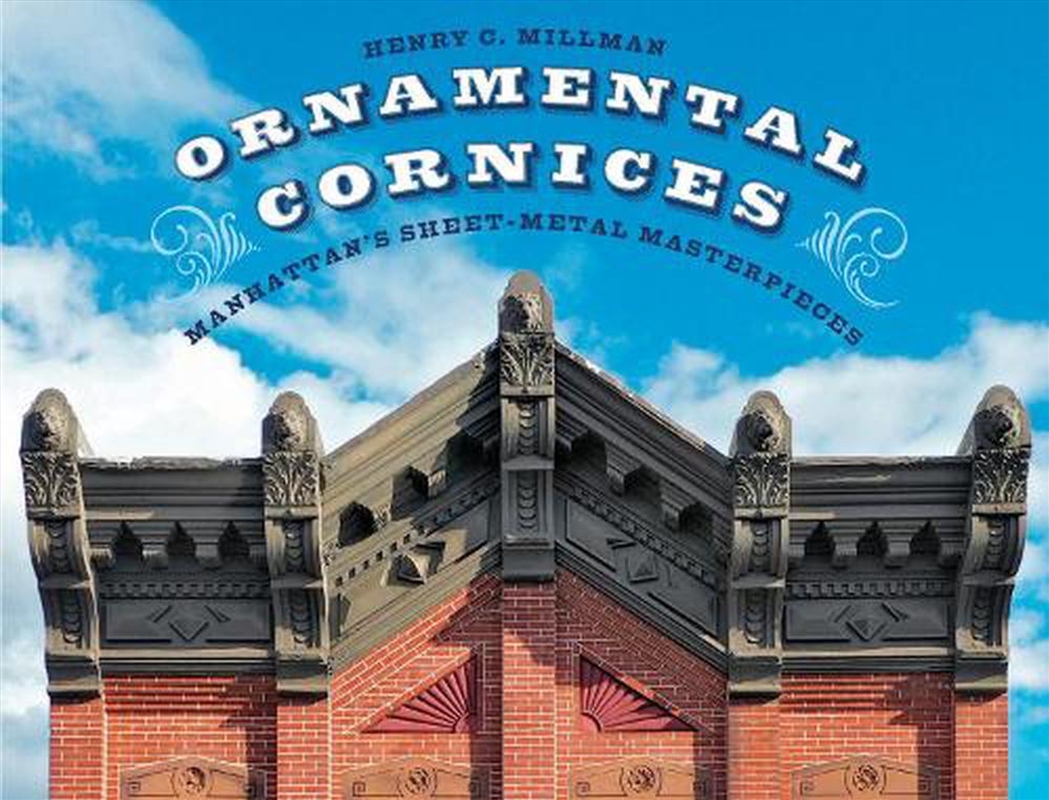
Henry C. Millman Documents Manhattan’s Historic Sheet-Metal Cornices
The intricate sheet-metal cornices that define Manhattan’s residential and commercial facades are disappearing. As modern renovations favor flat,...