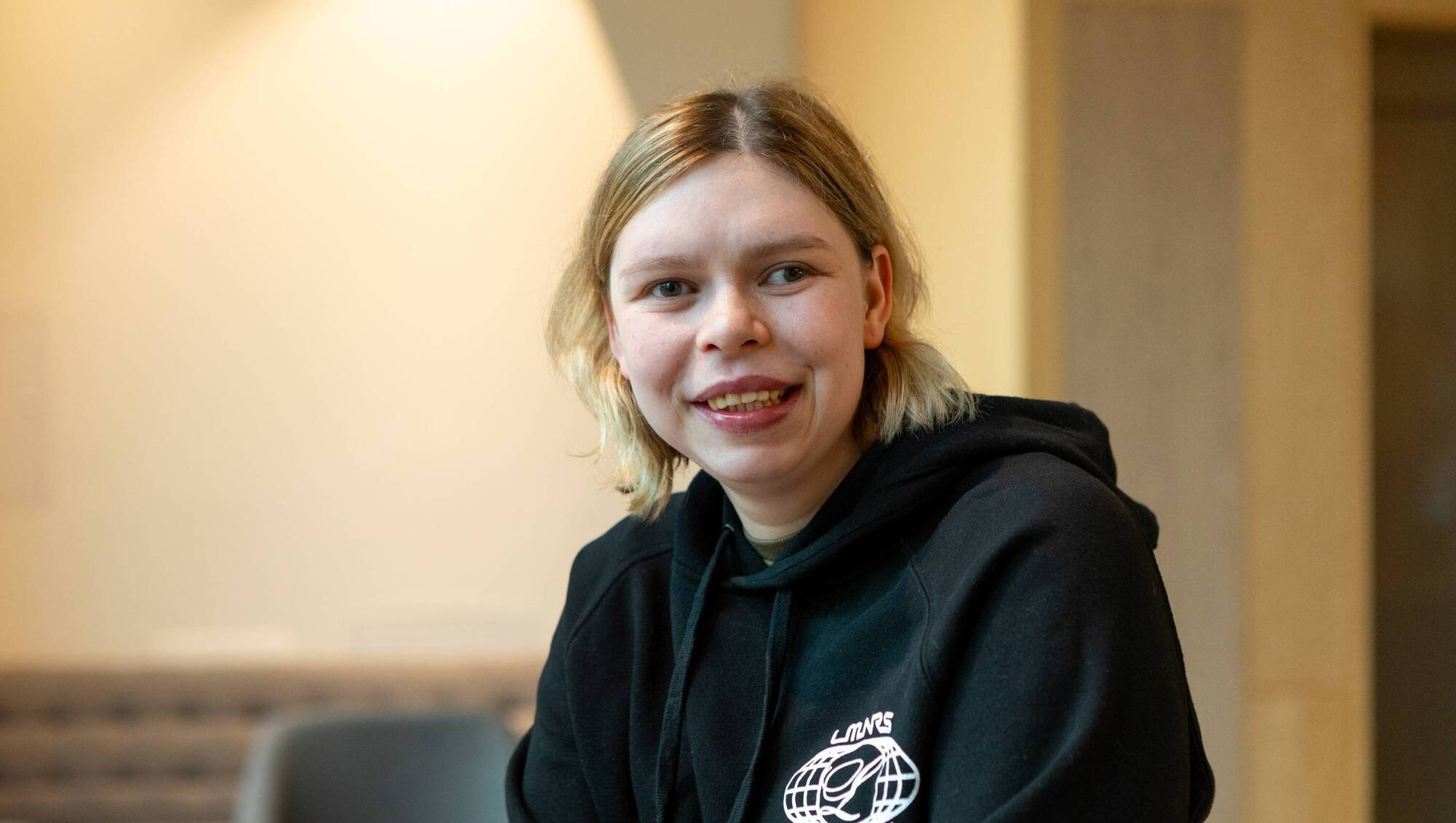
Cork woman Alex Moloney will feature in RTÉ’s new three-part docu-series Able when it launches on November 24 at 9.35pm on RTÉ One and the RTÉ Player.
The series, presented by fellow Cork native Brendan O’Connor, follows six people with disabilities across Ireland as they search for meaningful employment. Ireland shares the lowest employment rate for people with disabilities in Europe with Greece at 32.6 per cent, according to European Disability Forum figures.
Moloney, 26, from Dromina near Charleville, is a first-year Bachelor of Arts student at University College Cork. She told The Echo her ambition is to work in the civil service or government to influence disability law.
“I would love to research the different kind of topics relating to disability law, and to see where there are gaps, so I could advocate for people like me who are disabled,” she said. “I would work in the areas of education or housing, as those areas are not commonly accessible for people with disabilities.”
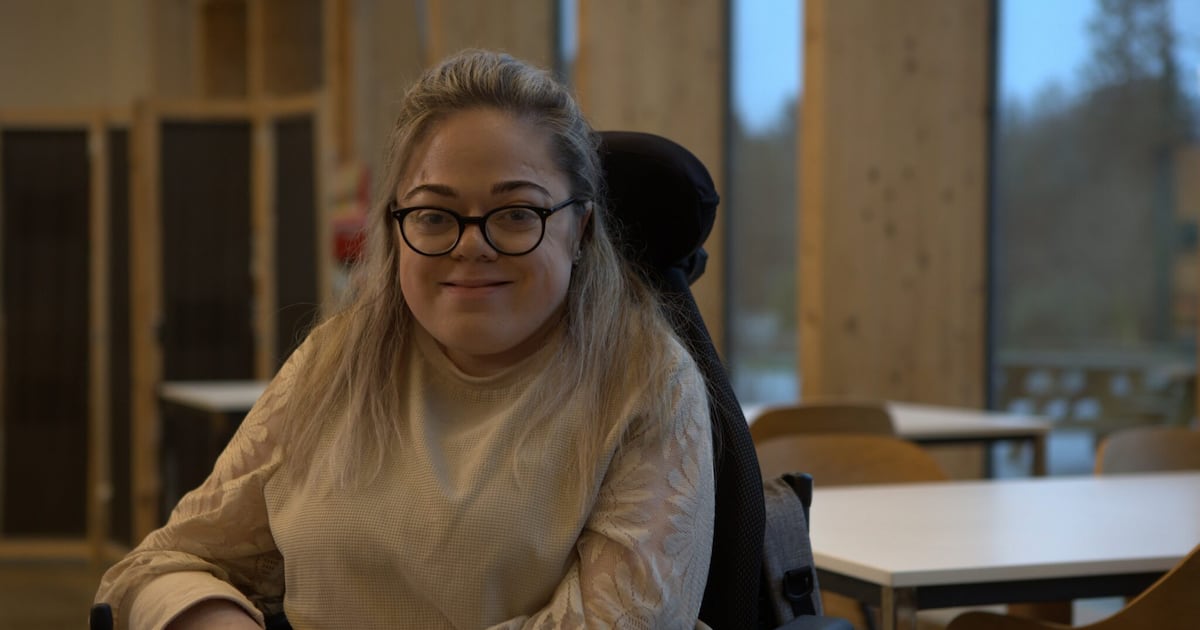
She described the filming experience as nerve-wracking but valuable.
“Being on the show meant a lot to me because I was able to talk about my disability, and use that advocacy side of things that I find interesting,” Moloney told The Echo.
A treetop walk at Avondale’s Beyond the Trees activity centre in Wicklow caused her the most anxiety.
“I was afraid I would struggle but I didn’t, so I learned that this can be applied to other scary situations that I might think will be frightening, but might not be so bad,” she said.
The Irish Times noted that as O’Connor learns through the series, “the challenges do not lie with the individuals in terms of what needs to change – the change is needed in the world around them.”
The change is needed in the world around them, the review stated.
Ireland shares the lowest employment rate for people with disabilities in Europe with Greece at 32.6 per cent, according to European Disability Forum figures.
Able is produced by Tyrone Productions for RTÉ with support from Coimisiún na Meán’s Sound & Vision Scheme.
Related reading

Emily St. John Mandel Warns Democracy Is Fragile, Explores Alternate U.S. Histories in Exit Party
In a CBC interview, Emily St. John Mandel argues that democracy is fragile and not guaranteed to last,...

Coronation Street’s Fiz Dobbs Considers Stealing From Friends to Fund Hope’s 16th Birthday Party
Coronation Street's Fiz Dobbs faces a moral crisis next week when financial pressure pushes her to consider stealing...

Rare Mars-Jupiter-South Node Alignment in Leo Marks Turning Point for Four Signs
Mars, Jupiter and the South Node aligned in Leo last week in a rare event, marking a turning...

Hear’Say and Liberty X Cancel UK and Ireland Arena Tour
Hear'Say and Liberty X have cancelled their joint 13-date arena tour across Ireland and the UK, which was...