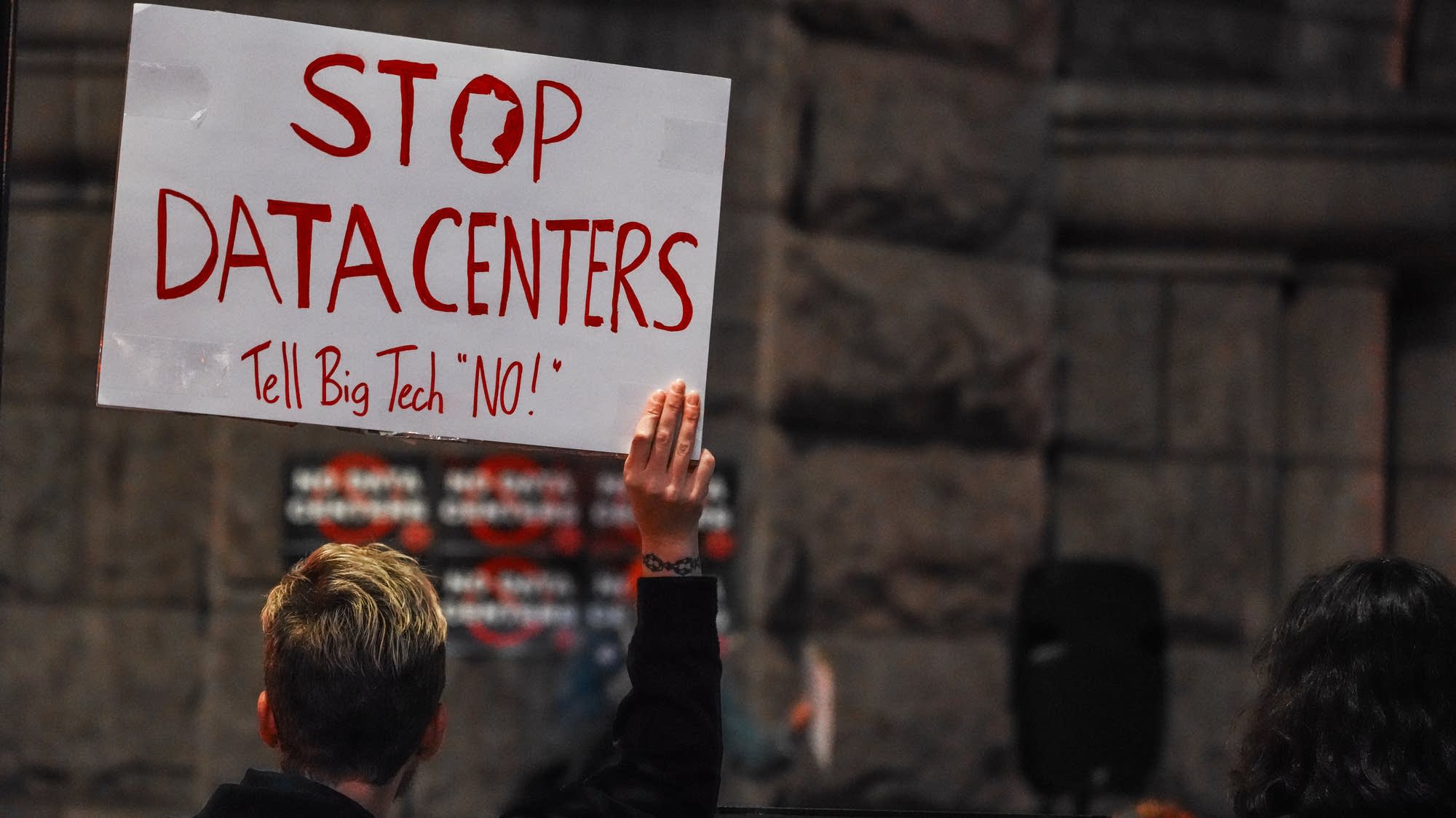
Minneapolis Mayor Jacob Frey vetoed a data-center ordinance Thursday, leaving the city without permanent rules when a six-month moratorium expires Saturday.
The City Council passed the measure 7-6 last week, a compromise that would have confined new facilities to two downtown zoning districts and required case-by-case council approval for each project. Frey rejected the last-minute amendment mandating that council sign-off, calling it a recipe for “arbitrary rule making” and warning it would amount to a de facto ban, MPR News reported.
The veto unravels months of negotiation over how to manage an industry that has exploded alongside generative AI demand. Downtown Minneapolis already hosts eight data centers serving tech companies, and Xcel Energy has signaled interest in up to eight more projects, according to Fox 9.
With roughly 30 percent of downtown office space sitting empty, city staff argue that converting vacant towers could relieve a property-tax burden that has fallen disproportionately on residents.
“A complete ban on data centers is tone deaf. Tone deaf to the benefit to our labor — skilled labor. Tone deaf to our residents’ increased property tax burden. And tone deaf to the revenue problem that we have right here in our city.”
More than 1,600 residents submitted comments, the majority favoring a full ban, Council Member Robin Wonsley said. “It doesn’t bring a people-centered downtown, it’s not gonna be our ticket out of our financial woes, and our neighbors don’t want it,” Council Member Soren Stevenson added, arguing the easiest vote he ever cast would be “No data center in Minneapolis.”
The vetoed ordinance would have capped facilities using only nonrenewable energy at 50,000 square feet, while those purchasing local green energy could expand to 150,000 square feet. Servers would need to sit at least 20 feet from exterior walls and 100 feet from residential property lines to mitigate noise — a persistent complaint in suburbs hosting large-scale operations. Developers would also have to disclose projected water and energy consumption.

Frey said he would have signed the original staff framework, which he described as “one of the strictest data center regulatory frameworks in the country.” That version relied on standardized overlay zoning rather than discretionary council votes for each application.
Council Member Aurin Chowdhury defended the case-by-case approach, telling the Minnesota Daily that “the industry is rapidly evolving… both in its financial conditions, in the way that the tech is evolving and also the way that the industry is finding gaps in local policies.”
When the moratorium lifts Saturday, Minneapolis reverts to its underlying zoning code — effectively allowing data centers to pursue permits with far less scrutiny. The Planning Commission will hold a public hearing December 14, and the Council is scheduled for a final vote December 17 on a new regulatory package.
Whether the veto forces a return to the staff’s original framework or reopens the door to a total ban remains the central question for the next four weeks.
Worth a look

Hawai’i Community Foundation Targets 2027 for Statewide Resilience Initiative
The Hawai‘i Community Foundation has named Stronger Hawaiʻi a key priority for 2027, committing flexible philanthropic funding to...

Open Houses: Albuquerque Kitchen vs. Sandia Park 5-Acre Garage Estate Nov 21-22
Two weekends of open houses in Albuquerque and Sandia Park overlap Saturday, November 21, forcing buyers to choose...

Felony Charges Dropped Against LSU Guard MiLaysia Fulwiley; Misdemeanors Referred to Diversion
East Baton Rouge Parish District Attorney Hillar Moore III dropped the two felony charges against LSU women's basketball...

Mandan Voters to Decide Dec. 15 Ban on Large Data Centers, Threatening Stark Power Project
Mandan voters will decide December 15 whether to ban large data centers inside city limits, a special election...