
“Seeing the raw veteran art from all over Northern Colorado in the theatre had me in the front row for Ricardo’s speech,” said T.J. Esquibel, a U.S. Marine and student veteran at Colorado State University.
“It was very grounding, very personal.”
CSU marked Indigenous Heritage Month and Veterans Day this month with a veteran art showcase and keynote address by Ricardo Caté, a Native American cartoonist and Marine Corps veteran whose work explores identity, activism and current events.
The program, held in the Lory Student Center Theatre, was co-sponsored by the Adult Learner and Veteran Services office and the Native American Cultural Center and featured artwork from veteran artists across Northern Colorado.
Caté is the creator of “Without Reservations,” the only Native American cartoon featured in a mainstream U.S. newspaper. A Native American Marine veteran, former social studies teacher and single father, he uses satire to push back on narratives imposed on Native communities with humor and curiosity.
“Having a Marine Corps veteran and a Native artist on campus like that was powerful,” Esquibel said. “It was a chance to see those two aspects of a person’s identity represented together and to see that our full, unvarnished stories belong on campus.”
Ty A. Smith, director of the Native American Cultural Center, said the collaboration came together after Adult Learner and Veteran Services Director Ben Schrader connected with Caté at a conference. Smith said he hoped students would take from the event a broader understanding of what service and success can look like.
“This felt like a perfect opportunity to bring Ricardo,” Schrader said. “I think that it’s important for students to be able to see how folks who have similar identities have had similar struggles, have persevered, and have succeeded in a variety of ways.”
Throughout Caté’s story is a theme of persistence and pride in representing his community. He began drawing at age 5, but his career as a cartoonist took shape later in life when he returned to college as an older student and found his way into the campus newspaper at Fort Lewis College.
What started as a way to earn one final credit turned into a creative path that soon expanded to a nearby tribal newspaper.
“I decided to go back to school at age 38,” Caté said. “I had three kids, and I took them up to Colorado from New Mexico to go to school, where the tuition was free.”
He said his drawings in the classroom became so popular among fellow students that his professor took note.
“Then she says, ‘Do you think you could come up with a cartoon for the newspaper?’,” Caté said.
Word spread about the popular comic strip, so much so that the editor of The Southern Ute Drum, a tribal newspaper serving the Southern Ute community, called and asked him to create Native characters for a regular comic strip.
“I was thinking about my kids and groceries, and I was like, ‘Sure,'” Caté recalled. “Then he said, ‘Oh, one last thing … can you make your cartoon characters Native?’ And I thought, ‘Oh, wow. I’ve never done that before.'”
He said he spent days thinking about how to do so without relying on stereotypes but eventually developed two characters — the General and the Chief — rooted in Native visual markers and perspectives, while making their conversations intelligent and layered.
“It was incredibly meaningful to hear him speak, because it highlighted the reality that our identities are rarely singular,” said Deanna Sanchez, a Native American student studying social work at CSU. “So often people view communities through a single lens, but Ricardo’s story demonstrated how culture, service, family, history, and personal experiences all intersect to shape who we are.”
Caté also described the discipline and pressure that shaped him in the Marine Corps. He said four drill instructors tried to push him out during boot camp, singling him out at night to get out of bed and do pushups in the dirt.
“Those four drill instructors actively tried to get me to quit,” Caté said.
But he kept going, ultimately graduating at the top of his company in physical fitness.
“What really hit home was how candid and unashamed he was about having to go through the whole ‘prove you’re real’ thing in different worlds,” Esquibel said. “As a Marine and student veteran myself, I could feel that same combination of toughness, humor and staying true to yourself and where you come from.”
Smith said Caté’s art has long resonated with Native audiences, and his stories were especially meaningful during a week that brought together multiple communities across campus.
“Being able to laugh and have some humor about it is also a part of healing and enjoyment,” Smith said.
The showcase was part of a larger week of Indigenous programming on campus, reinforcing CSU’s effort to connect students with speakers and artists who reflect the diversity of experiences within the university community.
“Some of the most impactful experiences I’ve had in college have come from events that introduced me to perspectives outside of my own,” said Sanchez, who urges students who want more speakers like Caté on campus to speak up.
“Chances are you are not the only person who wants to see that kind of representation. Reach out to our cultural resource centers, student organizations, SLiCE, Adult Learners and Veterans Services, or other campus partners. Many of these opportunities begin because a student speaks up and says, ‘This matters to me.'”
Ricardo Caté is from Kewa (Santo Domingo) Pueblo in New Mexico, where he arranges donations of art supplies for children and runs a coloring-book contest that encourages creative expression during difficult times.
His comic strip appears 300 times a year in The Santa Fe New Mexican and the Taos News, and he published the “Stoodis NM Coloring Book” to educate Native youth about COVID-19 with humor. He also speaks to students at Santa Fe Indian School, using his platform to offer guidance and perspective.
You can find “What if They’re Wrong About Me?”, Ricardo Caté’s TedX speech on YouTube and his Without Reservations artwork on Instagram.
Keep reading
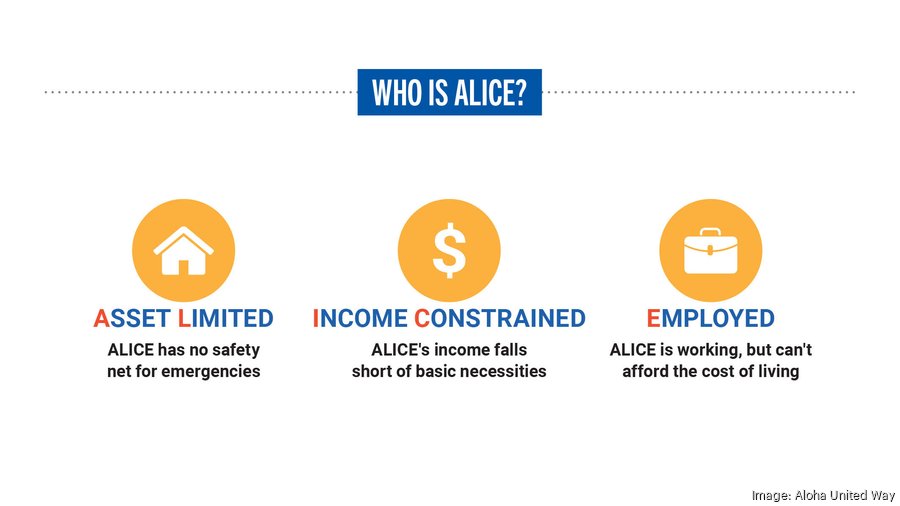
More Than Half of Hawaiʻi Households Struggle, Aloha United Way Report Shows
More than half of Hawaiʻi households now struggle to afford basic necessities, a steep jump from two years...
Johnston Police Identify Officer Ethan Meng in Shooting of Sean Lewis Clements During Traffic Stop
Johnston police have identified the officer who shot and killed a Des Moines man during a traffic stop...

Poilievre Hails Duhaime’s Québec Breakthrough at Federal Rally
Federal Conservative Leader Pierre Poilievre stood in St-Hyacinthe on Thursday and declared his pride in the provincial breakthrough...
Chicago faces a winter tilted toward warmth
Chicago faces a winter tilted toward warmth as a potentially historic El Niño tightens its grip on the...