CVS Health Moves to Unwind Vertical Integration via Corporate Split
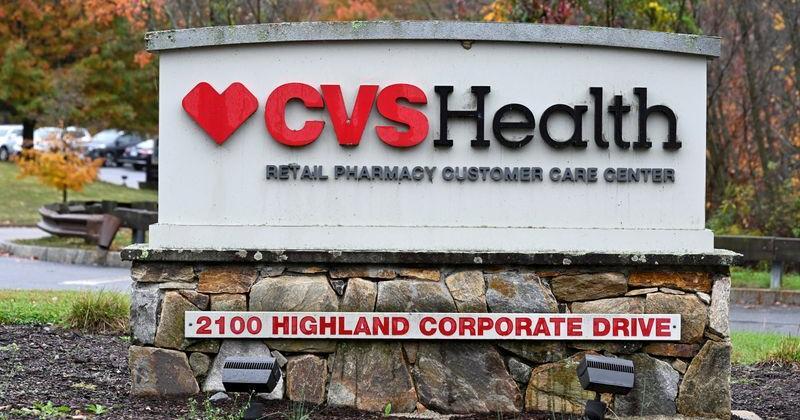
CVS Health Corp (NYSE:CVS) is preparing to split its retail pharmacy operations from its insurance and pharmacy-benefit management (PBM) arms by 2028, according to a report by the Financial Times. This strategic pivot would effectively dismantle one of the largest vertical integration models in the American healthcare sector. Under the proposed restructuring, the company would spin off its network of approximately 9,000 drugstores into a standalone, publicly traded entity, while its insurance provider, Aetna, and PBM, Caremark, would remain integrated within the core company, Yahoo Finance reported.
The Strategic Reorganization at a Glance:
- Retail Spin-off: Approximately 9,000 drugstores would transition into a separate publicly traded company.
- Core Retention: Aetna and Caremark will remain together to maintain the existing insurance and PBM synergy.
- Revenue Impact: The retail pharmacy division currently accounts for roughly one-third of CVS Health’s projected $417 billion in annual revenue.
The move represents a fundamental reversal of the company’s $78 billion acquisition of Aetna in 2018. While that merger was designed to create a seamless loop between insurer, PBM, and pharmacy, the current landscape is defined by intense regulatory scrutiny and political pressure. Lawmakers and regulators have increasingly targeted the concentration of power held by companies that control both the payment side (insurance) and the fulfillment side (pharmacy) of healthcare.
Regulatory Pressure Drives the Deconstruction of the Aetna Merger
The decision to split appears to be a preemptive response to the mounting antitrust environment in Washington. For years, the integration of PBMs with insurers has been a lightning rod for criticism regarding potential conflicts of interest and rising drug costs. By separating the retail pharmacy business, CVS Health may be attempting to insulate its high-margin insurance and PBM operations from the regulatory headwinds currently facing the retail sector.
The Financial Times notes that the company could potentially announce this restructuring alongside its third-quarter results, though the specific timeline and final corporate structure remain subject to change. This timing suggests a desire to provide clarity to shareholders as the company grapples with the complexities of its massive, multi-faceted business model.
The Alpha Metric: Managing the $417 Billion Revenue Split
The most critical figure in this entire maneuver is the revenue contribution of the retail division. With the retail pharmacy segment projected to generate about one-third of the company’s $417 billion in total revenue this year, the split is not merely a structural change—it is a massive reallocation of capital and market presence. The success of the spin-off will depend on whether the standalone retail entity can maintain liquidity and margins without the direct support of the Aetna-Caremark ecosystem.
Investors will be watching for margin compression in both entities. The insurance-focused side of the business relies on the scale of Caremark to drive efficiencies, while the retail side must compete in a landscape where pharmacy margins are under constant pressure from digital health disruptors and changing reimbursement rates. The ability to decouple these two distinct business models without eroding the combined enterprise value is the primary challenge for CVS leadership.
Main Street Implications: Consumer Costs and Pharmacy Access
For the average American, this corporate restructuring could lead to significant shifts in how they interact with their healthcare providers. While the split is a Wall Street-driven move to satisfy regulators and optimize shareholder value, the “Main Street” reality involves the mechanics of drug pricing and pharmacy convenience.
If the retail pharmacies operate as a separate entity, the direct link between your insurance provider (Aetna) and your local drugstore may face new friction. This could impact how much you pay at the counter or how quickly prescriptions are processed. Furthermore, the separation could influence the competitive landscape of local drugstores, potentially altering the pricing strategies used by the 9,000 locations across the country. As the PBM and insurer remain together, the “behind-the-scenes” negotiations that determine drug costs may become more transparent, but the direct consumer experience at the retail level could become more fragmented.
Market Sentiment and Institutional Outlook
Institutional investors are likely to view this as a “sum-of-the-parts” play. Often, when large, complex conglomerates split, the individual entities are valued more highly by the market because they allow investors to pick specific exposure to either the high-growth/high-risk retail sector or the more stable/regulated insurance sector. However, the transition period carries significant execution risk.

The Smart Money will be looking closely at the debt load assigned to each new company. A successful split requires a clean balance sheet for both the retail spin-off and the remaining Aetna-Caremark core. If the retail entity is left with too much debt or insufficient scale, it could struggle to compete against specialized pharmacy players. Conversely, if the insurance side loses the “captive” pharmacy volume that once fueled its ecosystem, it may face headwinds in its long-term growth projections.
The trajectory of CVS Health now depends on whether this deconstruction can successfully satisfy antitrust regulators while simultaneously unlocking hidden value for shareholders. The company is effectively betting that being two specialized players is more profitable than being one massive, scrutinized giant.
Disclaimer: The information provided in this article is for educational and market analysis purposes only and does not constitute financial, investment, or legal advice. Always consult with a certified financial professional before making investment decisions.
Keep reading
Democrat Charles Glover Defeats Incumbent Joe Boykin in Charleston County Council Upset
Charleston County Council undergoes leadership shift following November 3 election The makeup of the nine-member Charleston County Council...

Sprinkler System Contains Apartment Fire in Downtown Seattle; No Injuries Reported
A sprinkler system limits damage during Tuesday morning apartment fire A fire in a seventh-floor apartment near Pioneer...

Christopher Siliski secures Rutland-6 House seat
Christopher Siliski secured the Rutland-6 House seat on Tuesday, winning the city’s only contested legislative race with 735...

James Fletcher Larsen: A Tough Exterior and a Tender Heart
The Spanish Fork community is mourning the loss of one of its long-standing residents, James Fletcher Larsen, who...