
Democrats Seize House Majority as Economic Frustration Drives Midterm Shift
Democrats are poised to reclaim control of the U.S. House of Representatives, marking a significant shift in the balance of power for the final two years of President Donald Trump’s term. According to projections from NBC News, the Democratic party is estimated to win at least 252 seats, a move that would grant them a 69-seat majority. This surge comes as an electorate expressing deep dissatisfaction with the cost of living delivers a sharp rebuke to the Republican agenda, as reported by rte.ie.
The results reflect a country in a sour mood. Exit polls conducted by SSRS on behalf of a consortium of U.S. media outlets, including the Associated Press, indicate that nearly nine in 10 voters identified the cost of living as a crucial or major factor in their decision. The economic climate has become a central driver of the political realignment; nearly two-thirds of voters blamed Mr. Trump for high prices, while three-quarters reported being either angry or dissatisfied with the direction of the country.
While the President campaigned in 2024 on a promise to arrest high inflation, the current economic reality has proven difficult for his administration. Per rte.ie, his tariffs on foreign goods and the ongoing war against Iran have exacerbated the economic situation for many Americans. Despite these pressures, Mr. Trump urged voters to absorb higher costs, a stance that coincided with his popularity sinking to record lows.
The Blue Wave Extends Beyond Traditional Battlegrounds
The scale of Democratic gains suggests a movement that has moved well beyond historic partisan lines. The party is not only reclaiming the House but is also making significant inroads in the Senate. In a historic upset, Democrats secured a Senate seat in South Carolina, a state the party has not won in the upper chamber this century. Annie Andrews’ victory over Darline Graham stands as one of the night’s defining moments, according to rte.ie.
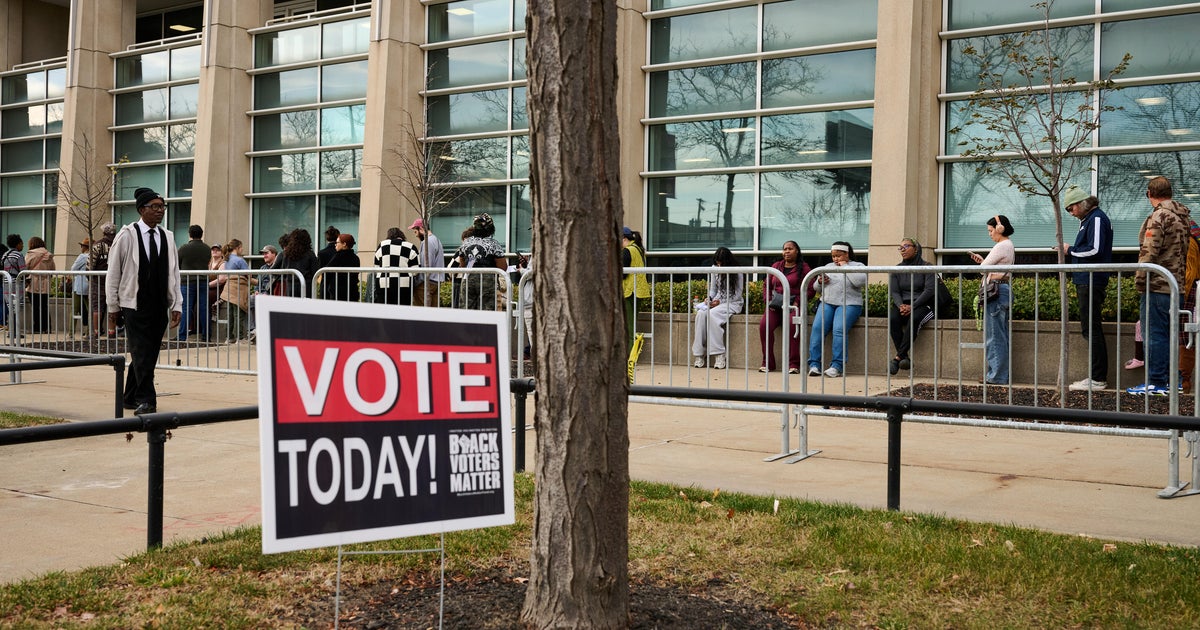
The shift is also visible in traditionally Republican strongholds. Democrats are leading in Kansas, a state they have not won a Senate seat in since 1932 during the Great Depression. In Texas, the race between James Talarico and Ken Paxton remains a critical focal point; if Talarico triumphs, he would become the first Democrat elected to the Senate from Texas in 38 years.
Data from exit polls suggests a fundamental fracturing of the Republican coalition that secured the 2024 victory. Republicans recorded sharp declines in support among Black men, Latinos, and young voters. Specifically, Hispanic support for the GOP dropped from nearly half to approximately one-third, according to data cited by rte.ie.
Personal Defeats Challenge Presidential Judgment
The election night results also serve as a referendum on Mr. Trump’s political instincts and his preference for personal loyalty over broader electoral appeal. Several handpicked candidates failed to secure victories in races the GOP had expected to win. Per rte.ie, Mr. Trump’s preferred Senate candidates in South Carolina and North Carolina—Darline Graham and Michael Whatley—both lost their respective races.

The following table outlines the projected shifts and current standing in the House of Representatives as reported by NBC News:
| Metric/Party | Democratic Projection | Republican Projection |
|---|---|---|
| Total Estimated Seats | 252 | 183 |
| Seats Needed for Majority | 218 | 218 |
| Net Seat Gains/Losses | +12 (147 currently held) | 85 (current) |
The Guardian reports that the balance of power in the House now hinges on whether Democrats can hold the 18 seats currently rated as “lean Democratic.” For Republicans to reclaim the chamber, they would need to sweep all 18 “toss-up” seats identified by the Cook Political Report and flip five Democratic-leaning seats.
A Double-Edged Sword for the New Majority
Winning back Congress presents a complex challenge for the Democratic leadership. While the mandate provides a platform to oppose the Trump administration, the party faces intense pressure to deliver tangible economic relief. The primary obstacle remains the executive branch; as the president retains veto power, the ability of a Democratic-controlled Congress to pass significant legislation is structurally limited.
Furthermore, the political landscape remains volatile. The administration may argue that with Democrats now in control of the House, they share equal culpability for the state of the economy moving forward. This creates a high-stakes environment where the incoming majority must navigate both legislative hurdles and the immediate, pressing demands of an electorate focused on their wallets.
As the night progresses, the Associated Press continues to monitor vote counts, with final “calls” in various states depending on the remaining uncounted ballots and the path to victory for trailing candidates.
Related reading

Brunei Reaffirms Commitment to Regional Food Security at 48th AMAF Meeting
Brunei Targets Net Exporter Status via Agro-Tech and Trade Shifts Brunei Darussalam is pivoting its economic strategy to...

Two Men on Trial for Sexual Assault of Autistic Teenager on London Train
Two men face 20 charges following alleged sexual assault of autistic teenager on commuter train Two Afghan migrants...

Multiple Bomb Threats Target Passenger Flights Across Europe
A Wave of Malicious Bomb Hoaxes Disrupts European Aviation A series of suspected bomb threats targeted at least...

Spain’s Transport Minister Resigns After Deadly High-Speed Train Crash Kills 69
Spain's Transport Minister Resigns Following Deadly High-Speed Rail Collision Spain's Transport Minister Oscar Puente has announced his resignation...