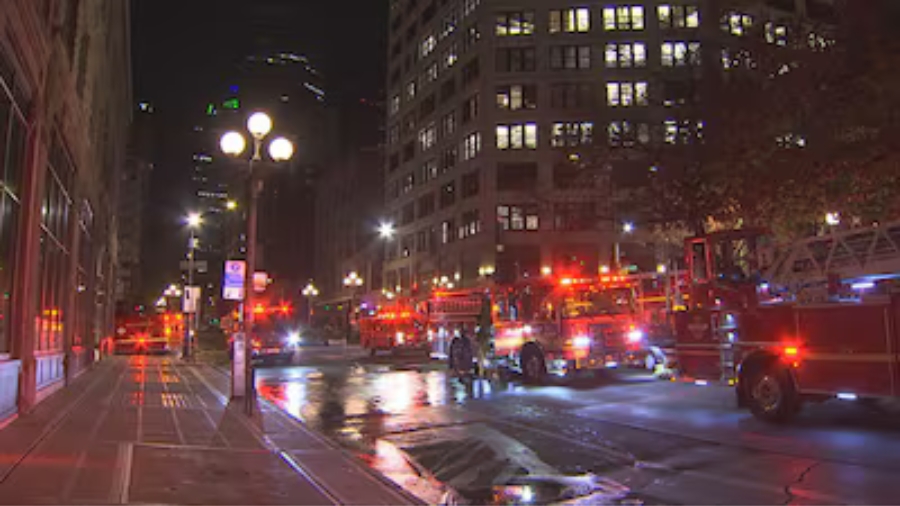
A sprinkler system limits damage during Tuesday morning apartment fire
A fire in a seventh-floor apartment near Pioneer Square in downtown Seattle was contained early Tuesday morning, thanks largely to the building’s automated suppression systems. While the blaze caused significant water damage to multiple levels, no injuries were reported following the incident, according to reports from MyNorthwest.com and kiro7.com.
Firefighters are responding to reports of a fire in a residential building in the 100 block of 2nd Ave. S. Please avoid the area.
Seattle Fire Department (SFD) crews were dispatched to the complex along 2nd Avenue S at approximately 2:45 a.m. on November 3, 2026. Upon arrival, firefighters observed smoke emanating from one of the upper-floor units. While the fire was localized to a single apartment, the immediate impact of the emergency is being felt by several households due to the secondary effects of the fire suppression efforts.
The building’s sprinkler system functioned as intended, successfully bringing the fire under control and preventing it from spreading to other parts of the structure. However, this containment came with a heavy cost in terms of property damage. MyNorthwest.com reported that a significant amount of water was left in the unit where the fire started, as well as in two units directly below it.
Displacement looms for downtown Seattle residents
The aftermath of the fire extends beyond the scorched walls of the seventh-floor unit. Because of the heavy water accumulation, the residents of the fire-damaged apartment and the unit directly beneath it will likely face displacement. The logistical and emotional weight of sudden displacement in an urban center like Seattle often presents immediate challenges for tenants regarding housing stability and personal property loss.
Despite the disruption, the evacuation process was remarkably orderly. The Seattle Fire Department noted that residents did an excellent job of exiting the building quickly and safely. As of Tuesday afternoon, the department indicated that they had not received any requests for assistance from the Red Cross, suggesting that the immediate humanitarian needs of the displaced residents are being managed through other channels.
Global Incident Tracker classified the event as a “Moderate” severity fire incident. The tracker noted that in residential fires, smoke inhalation often poses a greater risk than the flames themselves, making the rapid evacuation observed in this case a critical factor in the lack of reported injuries.
The investigation into the cause remains open
While the physical threat has been neutralized, the question of how the fire started remains unanswered. Both MyNorthwest.com and kiro7.com confirmed that the cause of the fire is currently under investigation by fire officials. Until investigators can determine the ignition source, the specific circumstances that led to the 2:45 a.m. alarm remain unknown.

The incident serves as a stark reminder of the role automated systems play in high-density urban living. In multi-story residential buildings, the line between a contained incident and a catastrophic structural fire often rests on the mechanical reliability of a single system. For the residents of the 2nd Avenue S complex, the effectiveness of those sprinklers prevented a tragedy, even as they left several families searching for new places to live.

Zhuhai Huafa Group debt struggles Trigger China bond market volatility
Zhuhai Huafa Group Debt Struggles Trigger Volatility in China Bond Markets The unprecedented property crisis in China has...

Attempted Murder Trial Begins for Adrian Maggos in Cheyenne
A Laramie County jury begins hearing testimony in attempted murder trial The legal proceedings for Adrian Maggos, a...
Democrat Charles Glover Defeats Incumbent Joe Boykin in Charleston County Council Upset
Charleston County Council undergoes leadership shift following November 3 election The makeup of the nine-member Charleston County Council...

Christopher Siliski secures Rutland-6 House seat
Christopher Siliski secured the Rutland-6 House seat on Tuesday, winning the city’s only contested legislative race with 735...