
Agriculture and fisheries production fell 5 percent in the third quarter, according to a report from the Philippine Statistics Authority (PSA), as rising costs and weather volatility hit the sector.
The decline brought the total value of production to PHP389.42 billion between July and September, Philippine News Agency reported. While the dip in output hurts the industry, the Department of Agriculture (DA) says climate-driven disruption may worsen.
The government is currently bracing for a “very strong” El Niño that experts suggest could peak late this year and intensify through the first half of 2027. This looming drought threatens to exacerbate an already fragile situation where farmers are struggling against the dual pressures of unpredictable weather and the high cost of essential inputs like fertilizer and fuel.
The rising cost of planting
The third-quarter slump was driven largely by a sharp contraction in staple crops. Palay and corn production plunged by 18 percent and 17 percent, respectively, according to the Philippine News Agency. Rice production fell to 3.08 million metric tons (MT), while corn output dropped to 2 million MT.
These declines weren’t just about the weather. DA Undersecretary Christopher Morales, who oversees the Rice Industry Development Program, said that high fertilizer and fuel costs influenced planting decisions and reduced the total area being cultivated, Agnavigator reported.
The economic strain on producers is already visible in the data. The Daily Tribune reported that El Niño has already inflicted PHP9.99 billion in agricultural damage and losses nationwide, affecting more than 324,000 farmers across 16 regions.
| Crop Category | Q3 Production Change | Reported Output |
|---|---|---|
| Palay (Rice) | -18% | 3.08 million MT |
| Corn | -17% | 2 million MT |
| Poultry | +4.9% | PHP79.67 billion |
| Livestock | +1.1% | PHP61.17 billion |
While the crop sectors struggled, the livestock and poultry sectors provided a vital cushion. These subsectors accounted for nearly 37 percent of the total agrifishery output, helping to offset the losses in grain and fish production, Philippine News Agency reported.
Mitigating the dry spell
To counter the projected downturn, the DA has mapped out a PHP62-billion El Niño response plan. This strategy uses new technologies and targeted interventions to protect the food supply and keep staple prices affordable for consumers.
A major component of the defense involves water management. The agency is prioritizing investments in solar-powered irrigation and water impounding dams to ensure that water can be stored during wet periods and utilized during droughts, according to Philippine News Agency.
“Water management infrastructure will not only help us cope with droughts but also allow us to store excess water during La Niña episodes,” said DA Undersecretary Christopher Morales.
The impact is already being felt in specific regions. In Central Visayas, agricultural losses could potentially reach PHP490 million under a worst-case scenario, Sunstar reported. In Cebu, some farming communities have already reported difficulties securing enough water for vegetable production, particularly in upland areas, Sunstar reported.
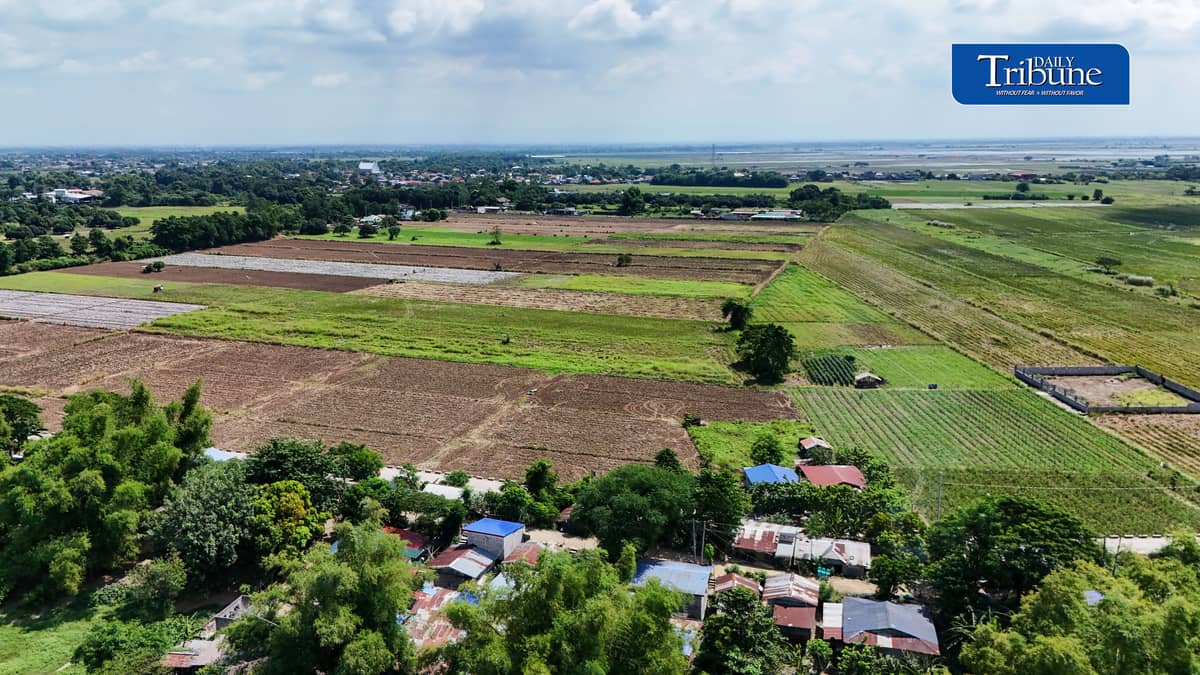
In response to these local shortages, DA 7 is preparing for various interventions. These include a proposed PHP10-million cloud seeding operation in Bohol to help replenish dams, though officials said that Cebu’s narrow landmass might make cloud seeding less effective there, Sunstar reported.
The government’s financial response has been substantial. The Daily Tribune reported that the DA has already deployed PHP18.64 billion in initial interventions, which includes PHP6.26 billion in financial assistance for over 2.69 million farmers and fisherfolk.
However, some analysts point to the complexity of the recovery. While the government is pushing for infrastructure and technology, the fundamental issue remains the volatility of farmgate prices and the high cost of production that makes many farmers reluctant to take risks during uncertain seasons. This tension between the need for increased production and the financial risk of doing so creates a difficult cycle for domestic food security.
“We have more tools now to mitigate the impact,” said DA Secretary Francisco Tiu Laurel Jr..
Keep reading

Coláiste Ghobnait Wins ReelLife Science Award With Diabetes Rap
Eight students from Coláiste Ghobnait on Inis Oírr secured first prize in the post-primary category at the ReelLife...

BARMM Leaders Seek Special Prosecutor for Special Geographic Area
Residents in the Bangsamoro Autonomous Region in Muslim Mindanao's Special Geographic Area (SGA) may soon have direct access...

Google Patches Chrome Zero-Day, Fixes Active XML Flaw
Google patched its eighth actively exploited Chrome zero-day of the year on Monday rolling out emergency desktop updates...

Scientists Find Deadly Virus DNA Hidden in 1,000-Year-old Manuscripts – Science Daily
Ancient viral DNA preserved in medieval parchment has revealed a history of sheeppox virus. Scientists examining animal skins...