“This public pressure appears to have renewed DEA’s motivation to retaliate and prompted not one but two retaliatory investigations of our clients,” wrote Tristan Leavitt, the president of the national whistleblower organization Empower Oversight, in a Nov. 17 letter to congressional leaders.
Two Albuquerque-based DEA agents who exposed a practice known as “fentanyl walking” now face fresh retaliation for speaking out, their attorney says.
David Howell and Emmett Fritz allege the DEA launched a leak investigation and a separate policy violation probe within days of a 4 Investigates television interview with Howell, KOB reported. The agents contend they were wrongly accused of leaking operational information after reporters asked the DEA about a potential surge of federal personnel to New Mexico. Leavitt’s letter states the reporter’s source was from another law enforcement agency entirely.
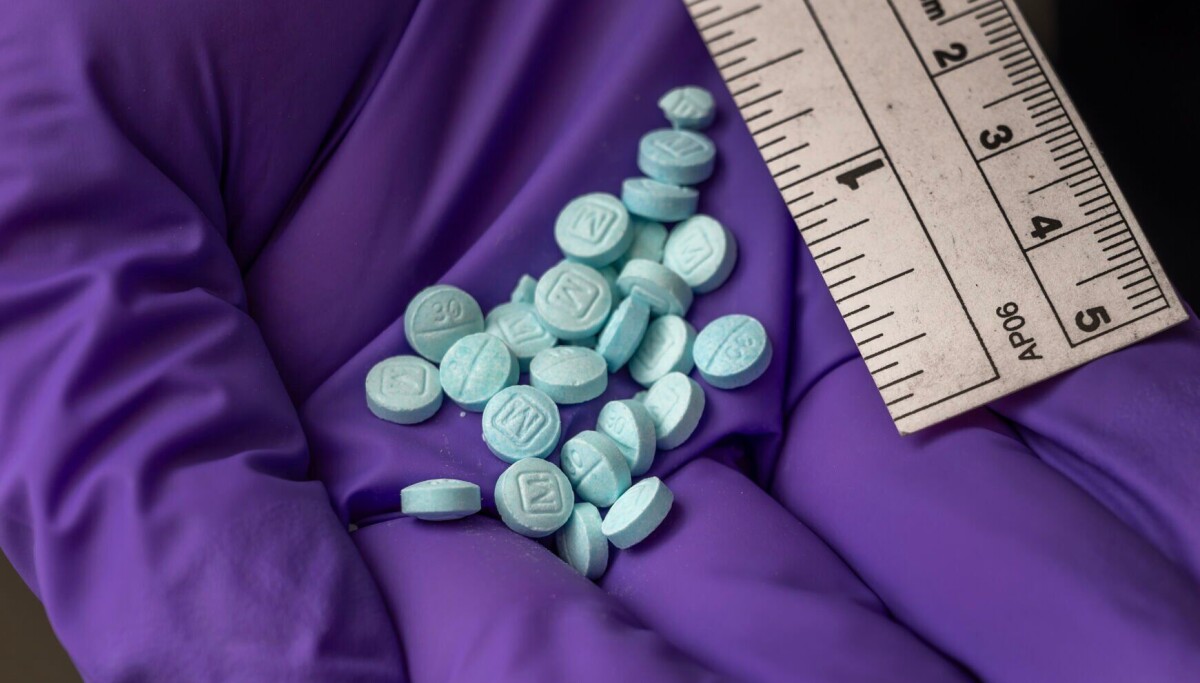
The retaliation claims revive a scandal that broke in June when the Albuquerque Journal revealed DEA wiretaps captured traffickers delivering up to 2 million potentially lethal fentanyl pills into the city and state while agents watched but did not intervene.
The drugs were never recovered. New Mexico continues to be among the top U.S. states for its rate of fatal drug overdoses, and the Bernalillo County Commission voted to declare a state of emergency over the fentanyl crisis last month.
“They have been at the forefront of bringing this story forward but at each step whenever there was a new development the DEA has racheted up their retaliation,” Leavitt told KOB. “Most recently when KOB’s story ran recently just within days of that they launched a new investigation and we believe it is entirely retaliatory and unjustified.”

Inspector General investigators traveled to Albuquerque to interview Howell and Fritz
Office of Inspector General investigators traveled to Albuquerque on Nov. 3 to interview Howell and Fritz about the alleged leak, according to Leavitt’s letter. The DEA had received a media inquiry about a tip that the DOJ was organizing a surge of personnel to respond to the fentanyl crisis. Leavitt argued the information was not protected by any statute and was known to large numbers of state, local and federal officials.
“Obviously, any so-called leak investigation would inevitably require inappropriate digging into our clients’ protected communications,” Leavitt wrote. The second investigation targets Fritz for sending portions of the DEA Agents Manual to his attorneys and the Office of Special Counsel via his personal Gmail account.
Fritz, who had been Howell’s partner, was not publicly identified when his whistleblower complaint was filed Aug. 3. Leavitt contends those disclosures were protected because they related to the failure to seize fentanyl.
What “fentanyl walking” means
The practice — allowing known fentanyl shipments to proceed without interception to preserve long-term investigations — has drawn defenses from some who say it is essential for tracing supply chains and identifying trafficking leaders.
The DEA has contended that the practice doesn’t intentionally occur, while defending it as lawful. But several DEA agents said the practice violated U.S. Department of Justice policy, which is aimed at ensuring public safety when conducting covert investigations into fentanyl trafficking.
The state’s congressional delegation on Sept. 4 asked the OIG to expand its review to include examining whether the DEA’s decisions led to increased overdose deaths.
The OIG announced Aug. 17 that it would open a review into the U.S. DOJ’s actions in fentanyl investigations to include looking at DEA policies, protocols, guidance, instruction and training regarding risk assessment and mitigation. New Mexico Attorney General Raúl Torrez is under investigation by the office of New Mexico Attorney General.
Congressional pressure builds
Leavitt’s Nov. 17 letter was addressed to the leaders of the House and Senate committees on Oversight and Government Reform; Judiciary; and Homeland Security and Governmental Affairs. “The proper response to the public pressure would be reform and accountability, improving policies and compliance to safeguard against fentanyl walking — not retaliating against the whistleblowers,” the letter says.
“Please use your authorities to help incentivize the DEA to cease its retaliation against Special Agents Howell and Fritz. We look forward to assisting Congress in its duty to get to the bottom of this issue and protect Americans from this deadly scourge. But it is extremely difficult to expect federal employees to step forward if they are not actually protected against retribution and reprisal.”
Tristan Leavitt, Empower Oversight
U.S. Rep. Melanie Stansbury was not aware of the letter, her office told KOB. The DEA media affairs office had no immediate response to Journal questions about the retaliation allegations.
The next congressional hearing on the fentanyl walking investigations has not been scheduled.
RI House Judiciary Advances Matos to Supreme Court After He Affirms Abortion Rights Support
Rhode Island’s House Judiciary Committee voted unanimously Tuesday to advance Superior Court Associate Justice Luis M. Matos toward...

Marlin “Bud” Gilley, Vietnam Veteran and 50-Year Truck Driver, Dies at 77
Marlin Owen “Bud” Gilley, a Vietnam veteran who spent more than 50 years behind the wheel of a...

Josh Harris Gives $15M to Penn for Wharton Center and Wrestling Facility
Josh Harris is putting $15 million behind the University of Pennsylvania on the occasion of his 40th Wharton...

Ohio State Climbs to No. 14 in CFP Rankings, Keeps Playoff Paths Open
Ohio State climbed six spots to No. 14 in the latest College Football Playoff rankings Tuesday, landing three...