
Virginia lawmakers are preparing to revisit a 19th-century legal doctrine that has long forced localities to ask Richmond for permission before acting on local problems, a dynamic that Del.
Marty Martinez, D-Loudoun, aims to flip with the Virginia Home Rule Act ahead of the Jan. 13 General Assembly session.
The proposal would invert the current standard: instead of requiring explicit state authorization for every local action, cities and counties could act unless the General Assembly has expressly prohibited or limited that authority. “Our bill makes one fundamental change: Instead of asking whether Richmond gives a community permission to act, we would ask: Has the commonwealth prohibited or limited that community from acting?” Martinez told reporters Monday, Virginia Mercury reported.
The shift targets Dillon’s Rule, a doctrine articulated by Iowa Supreme Court Judge John F. Dillon in the 1870s during an era of railroad speculation and municipal debt crises. Virginia is one of seven states — alongside Delaware, Nebraska, Texas, Vermont, West Virginia and Wyoming — that apply the most restrictive version of the rule, according to data from the National Association of Counties cited by Virginia Mercury.
New survey data from Old Dominion University’s Municipal Research Lab quantifies the practical toll. Drawing responses from all 301 Virginia localities, the lab found nearly 80% of local officials say Dillon’s Rule limits their policy options, while 73% report it restricts their ability to meet community needs.
Perhaps most strikingly, more than half said their locality had modified or abandoned a potential policy because they anticipated state preemption. “We’re not just talking about local proposals that were debated and rejected. We’re talking about ideas that may never have reached a public discussion because officials believe they lack the authority to pursue them,” lab director Bruce McDonald said during Monday’s briefing, WTVR reported.

The housing pressure point
Advocates argue the constraint falls hardest on working-class families and immigrant communities facing housing instability. Christian Martinez of CASA described the dynamic at Monday’s Virginia Home Rule Project webinar: “Right now when these families go to their city councils or county board of supervisors for help, they are met with the same frustrating answers, which is our hands are just tied.”
A University of Virginia School of Law study shows the demand. Analyzing 33 local legislative agendas containing 979 requests for the 2026 session, researchers found 45% concerned expanding local authority, and 76 agendas specifically sought more power over taxing and land use — tools localities say they need to address affordability.
Opponents, including Republican state leaders who have not yet publicly detailed their position, have historically raised concerns about statewide consistency, the business environment, and uniform public safety and environmental standards.
Martinez and supporters insist the bill preserves the General Assembly’s ultimate authority. “Strong statewide protections remain,” Martinez said Monday. “Rather, it would mean the legislature can set boundaries, retain authority over statewide matters and identify areas where uniform policies are necessary.”

Carmen Daugherty, executive director of the Advancement Project, framed the balance this way: “Statewide protections should serve as a floor for people’s rights, not an unnecessary ceiling on local progress.” Boaz Young-El, statewide campaigns director for New Virginia Majority, added: “The people closest to these problems should have a meaningful voice in developing the solutions, and that means local governments need meaningful authority.”
The legislative gauntlet
The bill text remains under review by the Division of Legislative Services and was not available as of Monday. A parallel effort — Del. Dan Helmer’s resolution to study Dillon’s Rule, D-Fairfax — was continued without action, WTVR noted. Martinez acknowledged he expects “challenges in the legislature, given state leaders’ reluctance to alter state control.”
The General Assembly convenes Jan. 13. Whether the Home Rule Act moves beyond introduction will test whether a century-old doctrine yields to modern demands for local flexibility.
Related reading
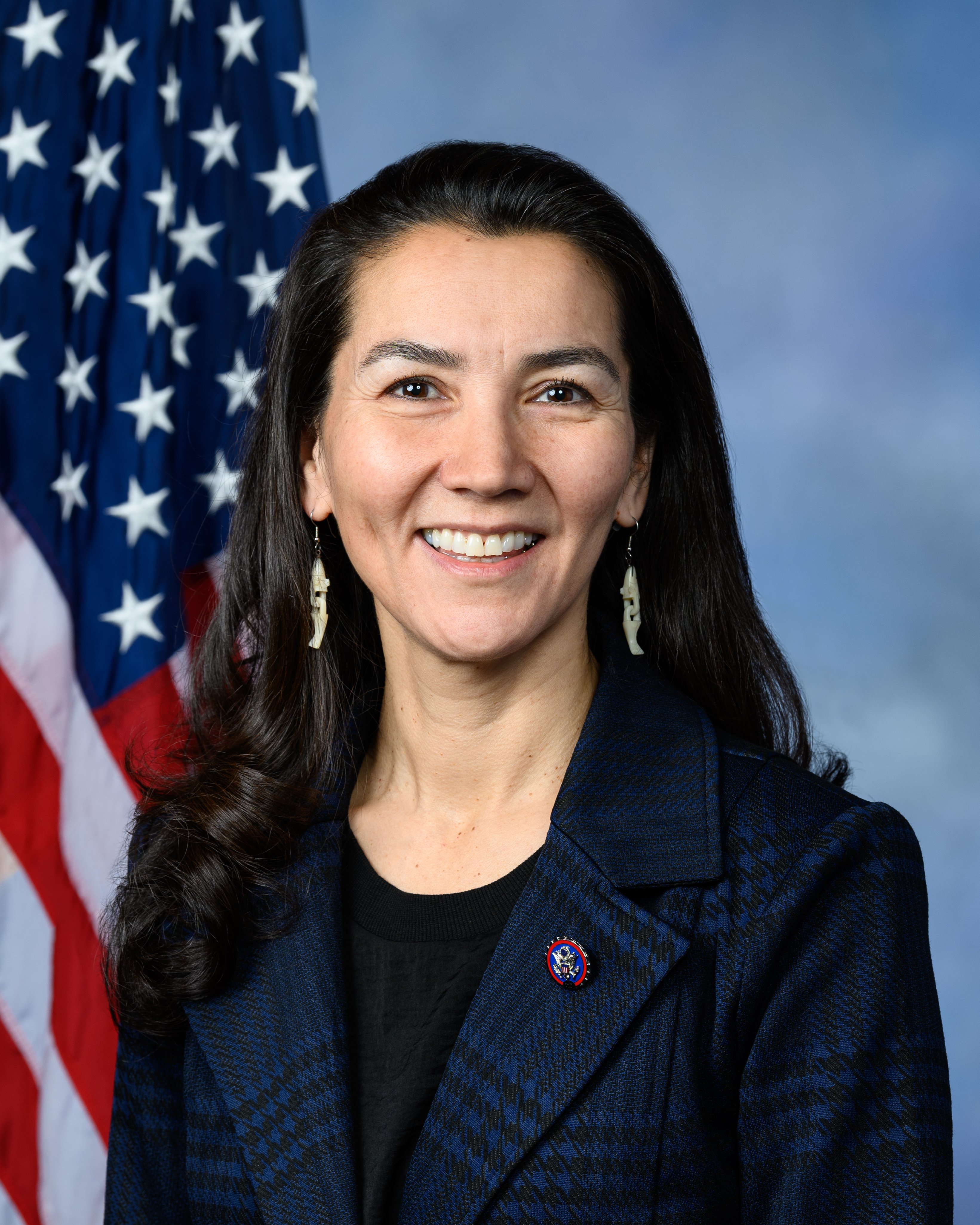
Democrat Mary Peltola Flips Alaska Senate Seat, Giving Democrats 56-44 Majority
Democrat Mary Peltola flipped Alaska's U.S. Senate seat on Tuesday, unseating Republican incumbent Dan S. Sullivan after a...
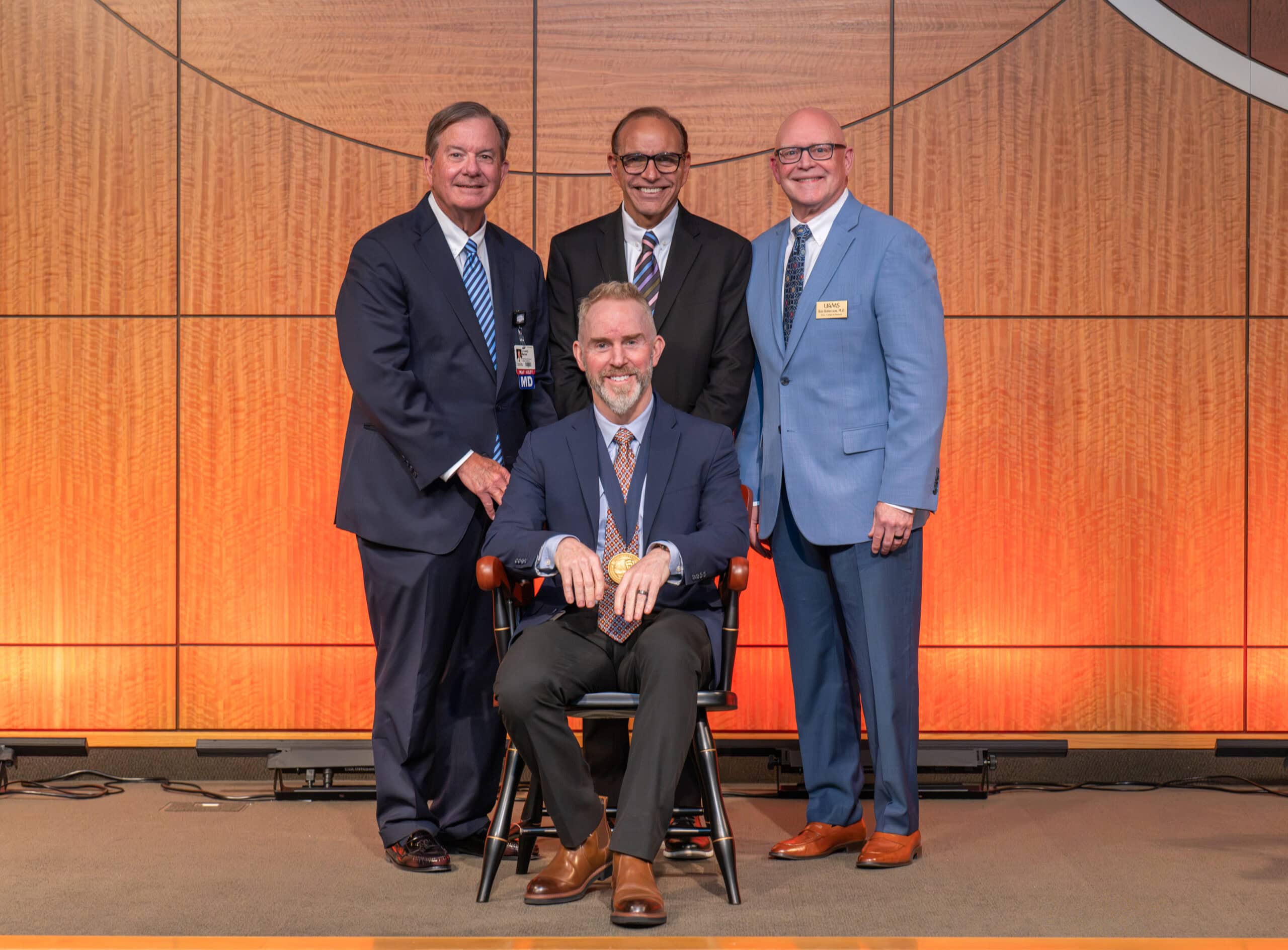
UAMS Invests Gresham Richter, M.D., in James Y. Suen, M.D., Chair in Otolaryngology – Head & Neck Surgery
The University of Arkansas for Medical Sciences invested Gresham Richter, M.D., in the James Y. Suen, M.D., Chair...
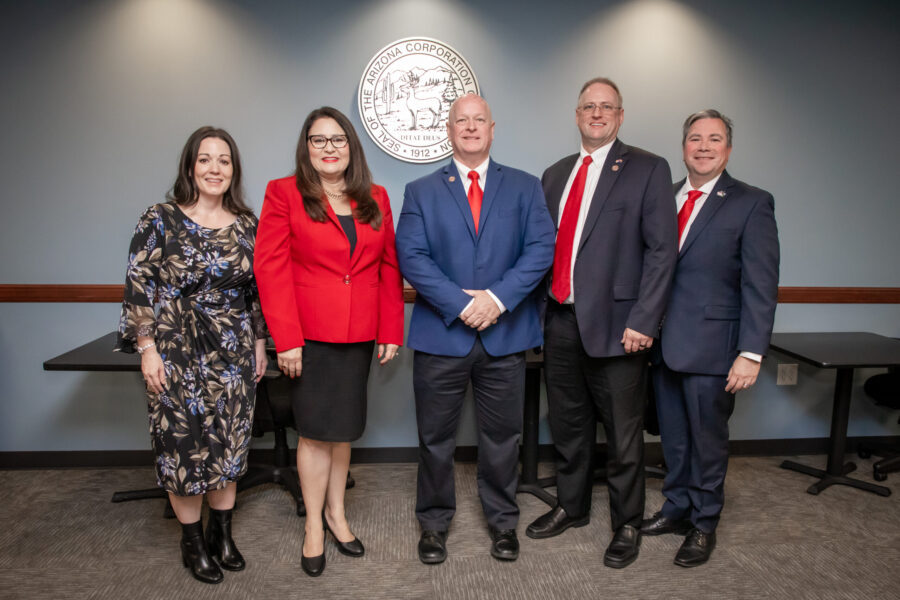
Arizona Regulators Approve 10% TEP Rate Hike and Formula for Annual Adjustments
The Arizona Corporation Commission voted 4-1 Tuesday to raise Tucson Electric Power rates by roughly 10%, adding about...

Hien T. Nguyen, a Montgomery County Woman
Hien T. Nguyen, a Montgomery County woman who ran a nationwide travel scheme that stole thousands from members...