Children's Wisconsin has published a detailed clinical guide for families dealing with sensory feeding concerns, outlining why a child's brain may misread the texture, smell, or look of food as a threat and offering structured, low-pressure strategies to rebuild trust at the table.
The guidance, released by the health system’s feeding therapy team, reframes picky eating as a neurological processing issue rather than a behavioral choice, emphasizing that forced bites and bribes often deepen a child’s aversion. Clinicians recommend two core tools — family-style meals and a separate “learning plate” — to decouple exploration from the expectation to eat.
“Always use neutral language about food,” the guide instructs, urging caregivers to swap value-laden words like “yummy” or “yucky” for objective descriptors such as “crunchy,” “soft,” or “salty.” The goal is to lower the stakes, allowing a child to interact with a new food — looking, smelling, touching, licking — without the pressure to swallow.
Families are advised to build predictability through visual schedules or timers before meals, involve children in setting the table or simple prep, and ensure every plate includes at least one accepted food. Cleanup becomes part of the therapy: carrying a bowl to the counter or tossing a single piece of unwanted food into the trash counts as a successful interaction.
The learning plate sits beside the child’s meal plate, not on it. With no requirement to taste, the child can use a fork to poke a blueberry, smell a strip of pepper, or lick a spoon that touched yogurt. Each step is narrated with “you can” or “we can” invitations — “You can smell the carrot,” “We can touch the sauce” — keeping the adult’s agenda invisible.
Children’s Wisconsin flags three red lines that warrant a call to the clinician: outright refusal to eat, gagging or vomiting during meals, and any special health-care needs not addressed by the home strategies. The guide does not replace individualized feeding therapy but gives families a starting framework grounded in sensory integration principles.
Keep reading
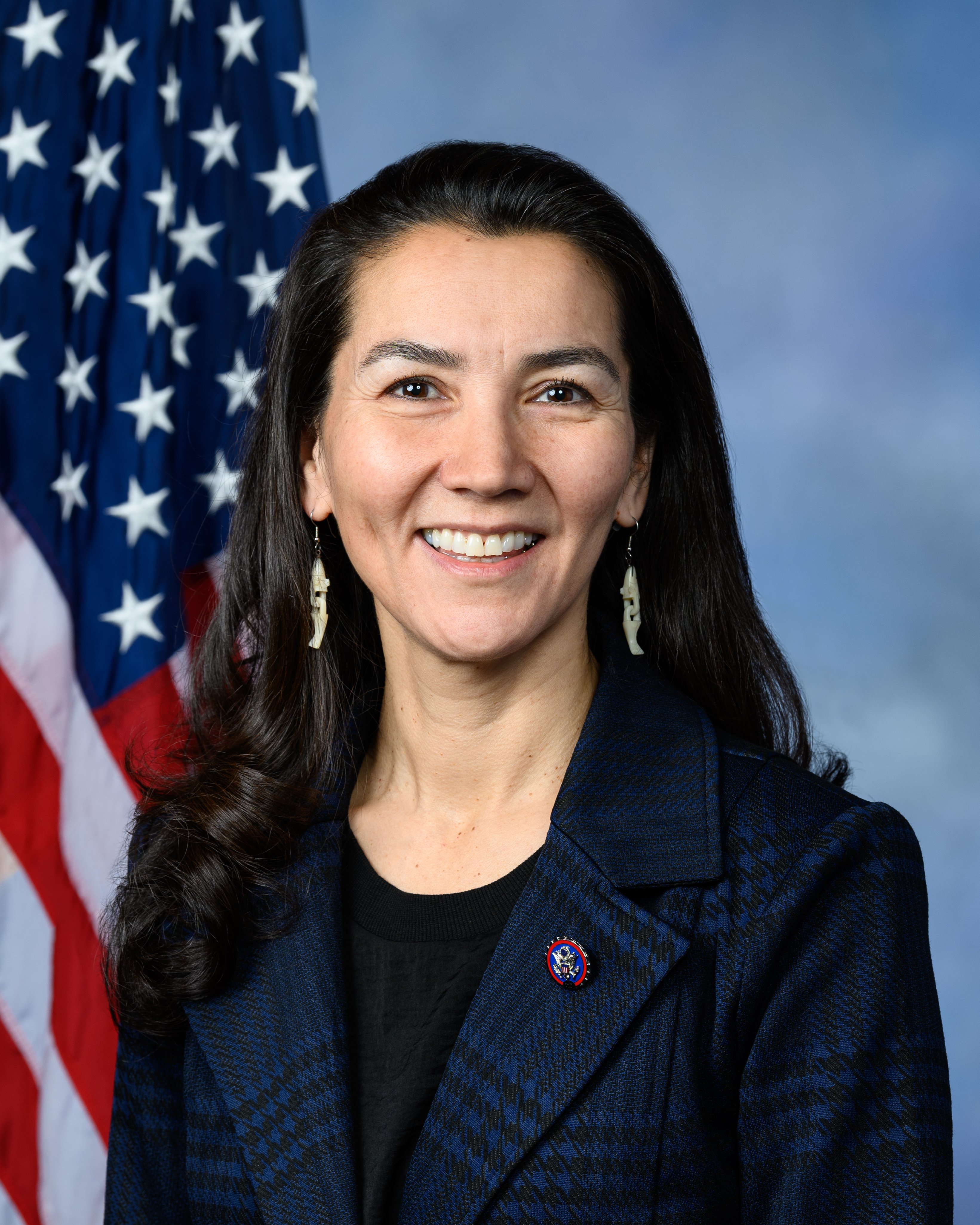
Democrat Mary Peltola Flips Alaska Senate Seat, Giving Democrats 56-44 Majority
Democrat Mary Peltola flipped Alaska's U.S. Senate seat on Tuesday, unseating Republican incumbent Dan S. Sullivan after a...
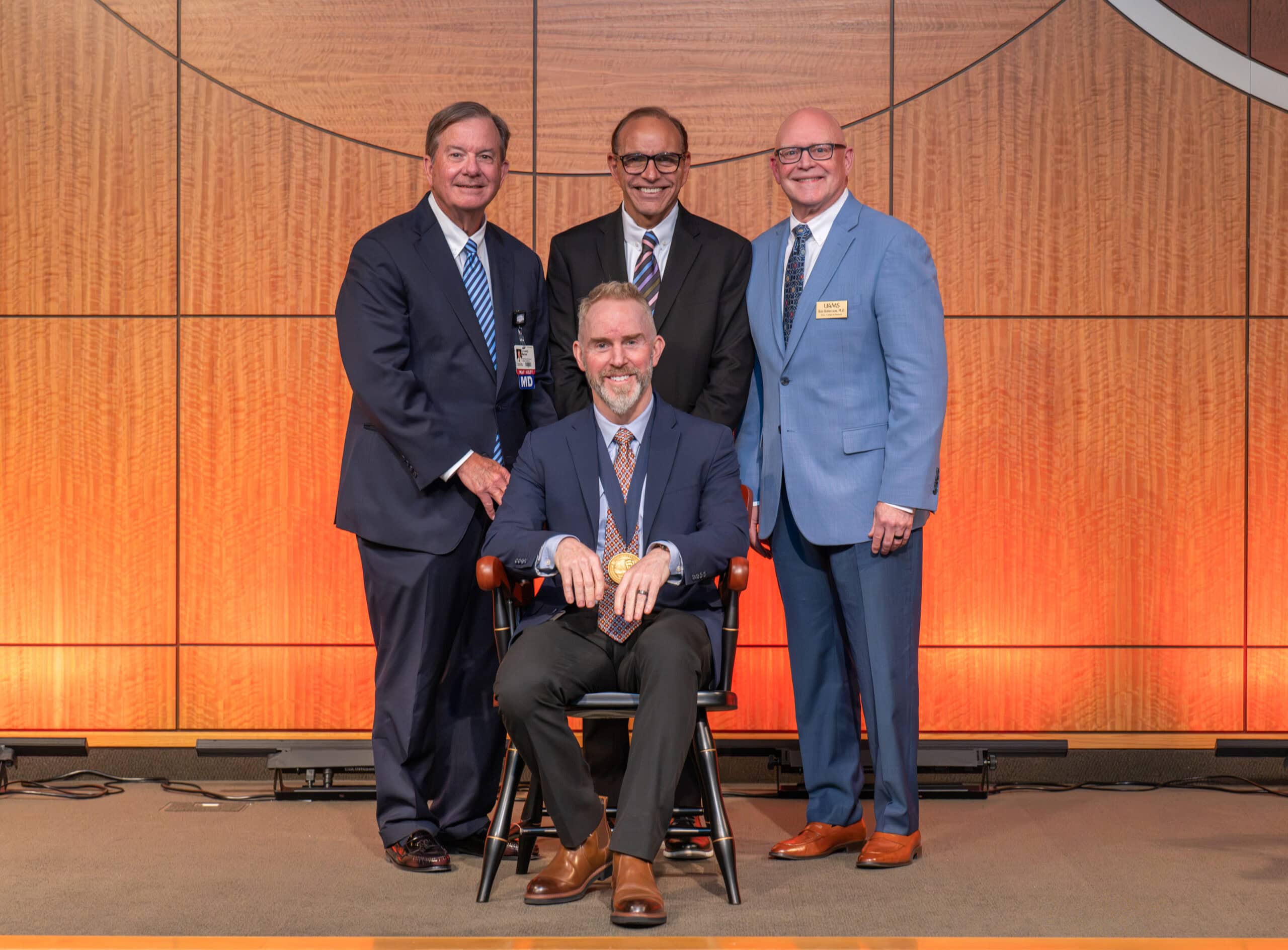
UAMS Invests Gresham Richter, M.D., in James Y. Suen, M.D., Chair in Otolaryngology – Head & Neck Surgery
The University of Arkansas for Medical Sciences invested Gresham Richter, M.D., in the James Y. Suen, M.D., Chair...
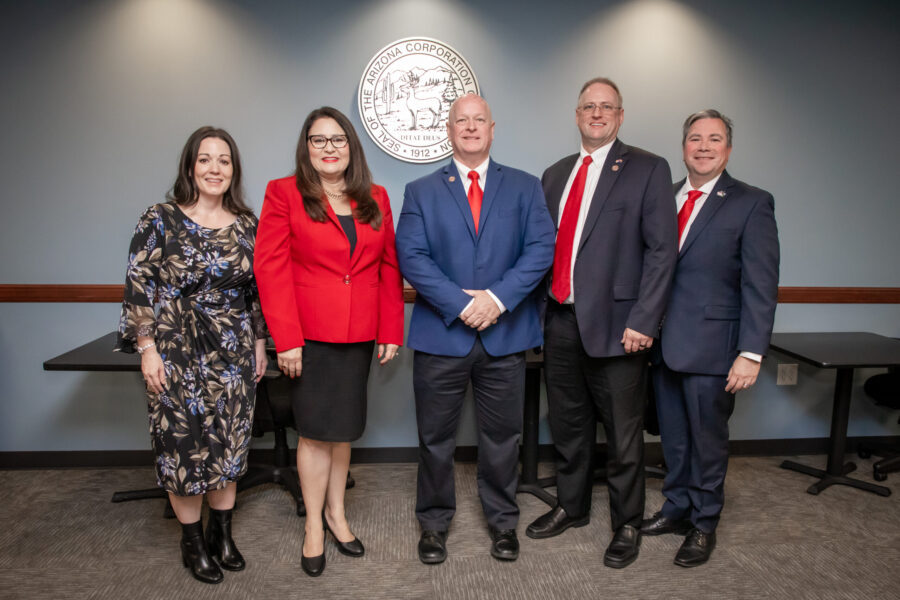
Arizona Regulators Approve 10% TEP Rate Hike and Formula for Annual Adjustments
The Arizona Corporation Commission voted 4-1 Tuesday to raise Tucson Electric Power rates by roughly 10%, adding about...
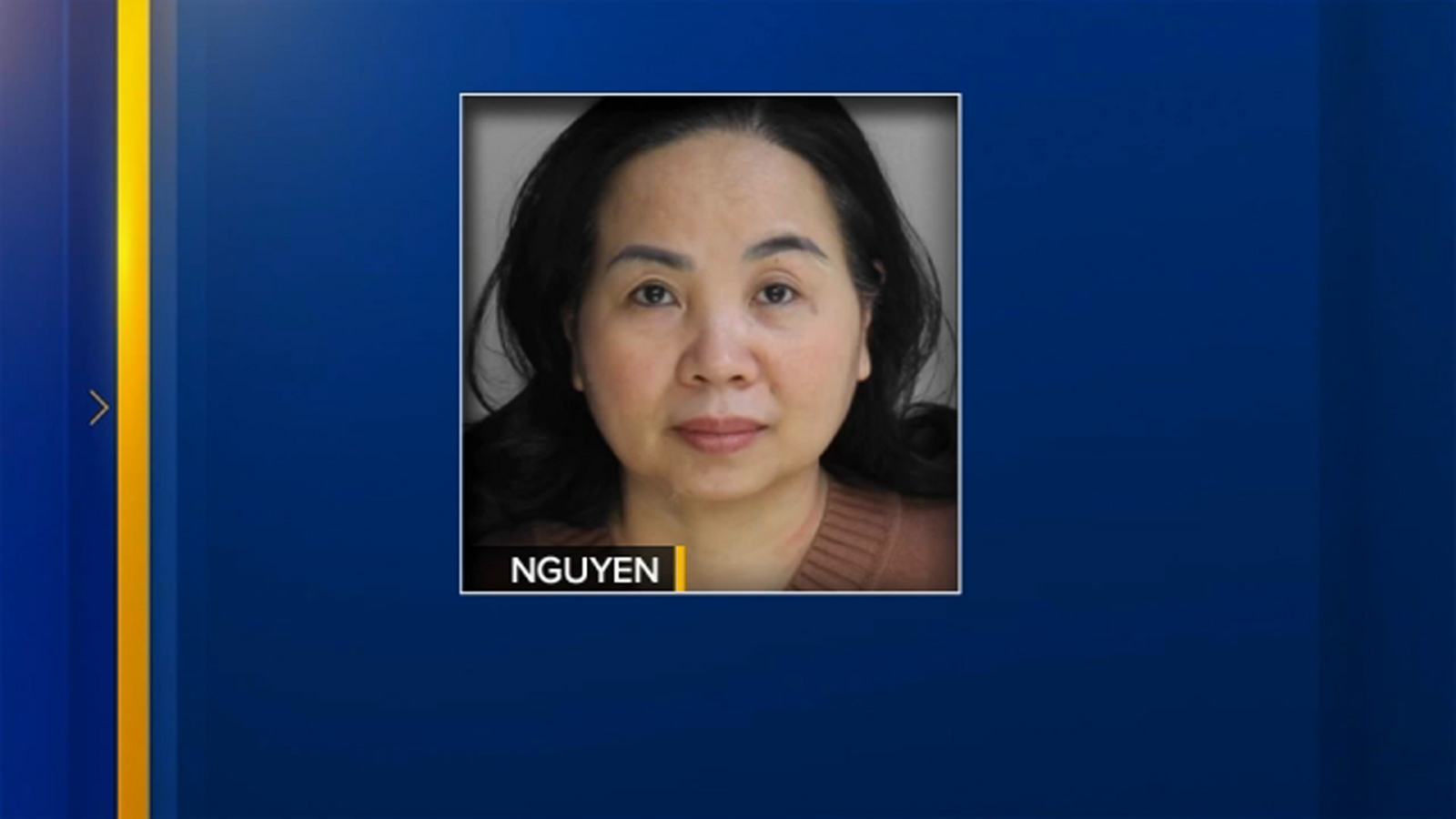
Hien T. Nguyen, a Montgomery County Woman
Hien T. Nguyen, a Montgomery County woman who ran a nationwide travel scheme that stole thousands from members...