On October 30, 2026, the Delaware Court of Chancery dismissed with prejudice a stockholder derivative action targeting the directors and former CEO of a biotechnology company over the closure of a contentious merger.
Vice Chancellor Paul A. Fioravanti, Jr. dismissed the lawsuit with prejudice. Plaintiffs had argued that leadership breached fiduciary duties by finalizing an acquisition of a cancer-detection business while antitrust investigations played out in the European Union and the United States.
The legal challenge centered on the fallout from closing the deal against regulatory headwinds. According to the court filing, plaintiffs claimed the maneuver exposed the enterprise to an approximately €432 million European Commission fine, a forced divestiture, and $3.09 billion in costs to fund and hold the acquired business separately.
To sustain their claims under In re Massey Energy Co., plaintiffs had to establish that the board knowingly caused the corporation to violate positive law. They pointed to an active European Commission standstill order and a challenge from the Federal Trade Commission under Section 7 of the Clayton Act.
Defendants pushed back by noting they acted on extensive advice from counsel. They maintained that the board genuinely believed the closing was lawful and exercised an informed business judgment to accept regulatory risk.
Vice Chancellor Fioravanti agreed with the defense regarding EU law, observing that a party cannot violate a statute that does not apply to it. The European Court of Justice later annulled the regulatory referrals that triggered the standstill, prompting the European Commission to withdraw its merger decisions and the accompanying fine.
On the domestic front, the court emphasized that statutory waiting periods had expired before the merger closed. No court order barred the transaction, and no judicial body ever issued a final ruling finding that the merger violated antitrust law.
Fioravanti joined the court in February 2020 after 21 years at Prickett, Jones & Elliott, P.A., where his practice centered on corporate and commercial litigation in the Court of Chancery. A Delaware native and graduate of Salesianum School, he earned a B.A. from the University of Delaware and a J.D. from the University of Maryland School of Law, where he was editor-in-chief of the Maryland Law Review.
“This is not the stuff of a board’s bad faith decision to knowingly violate positive law to generate corporate profits,” the court wrote, characterizing the maneuver as an exercise in business judgment amid uncertain regulatory friction.

Denver to Close Stone Creek Hotel Homeless Shelter in May 2026
Denver will shutter its first hotel-based homeless shelter at Stone Creek in May 2026, removing 182 noncongregate rooms...
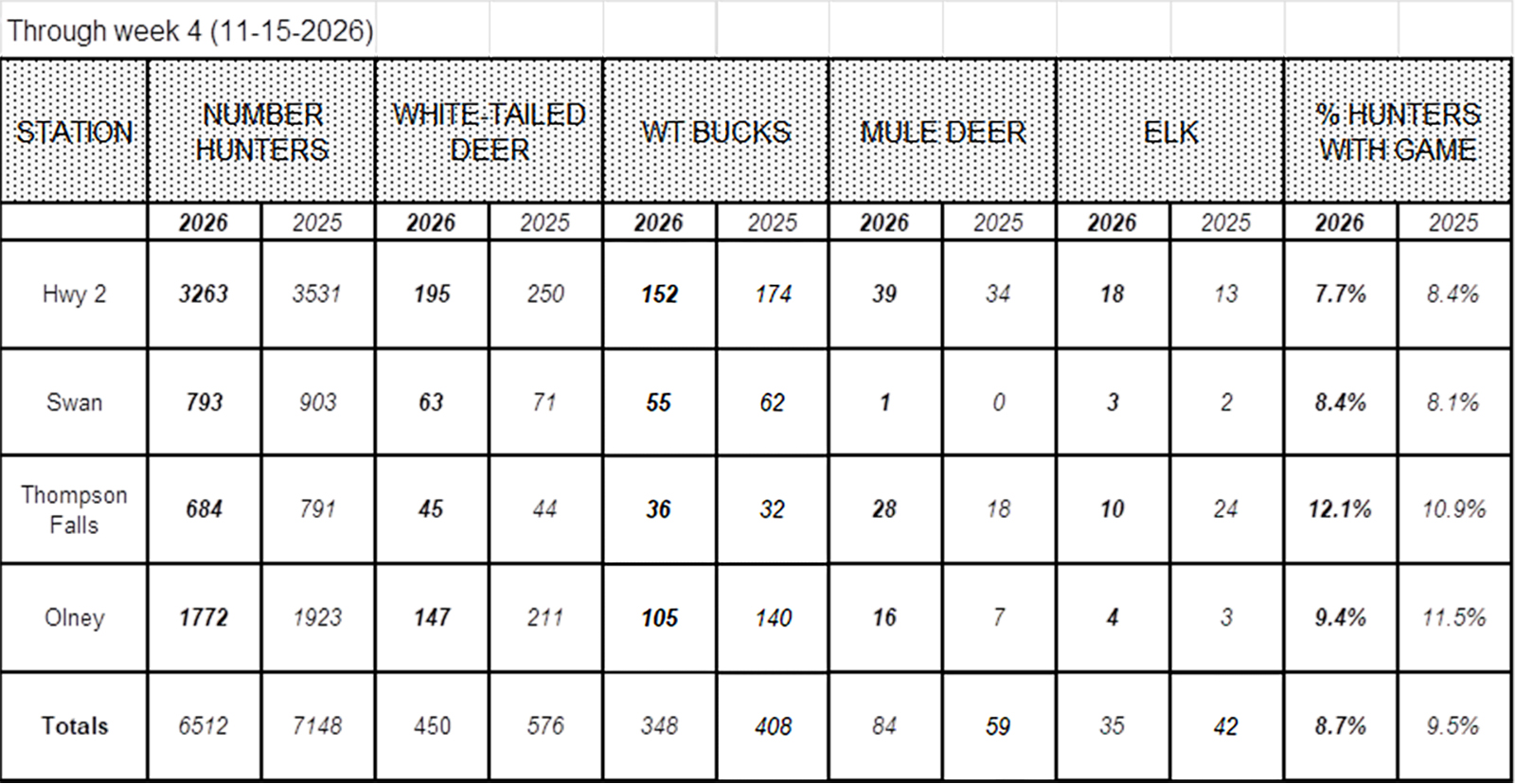
Colder Weather and Deer Rut Boost Hunter Success in Northwest Montana
Northwest Montana hunters found better luck at regional game check stations as colder weather arrived and the annual...

American Airlines A319 Declares Mayday After Trailing Crew Reports Engine Flames
Flames visible from an engine on November 19 forced an American Airlines Airbus A319 carrying 120 people to...
Study: Data Centers Disproportionately Placed in Black, Latino, Asian Neighborhoods Nationwide
"We would’ve never purchased a house if we knew a data center was coming," Zakiya Mabery told Capital...