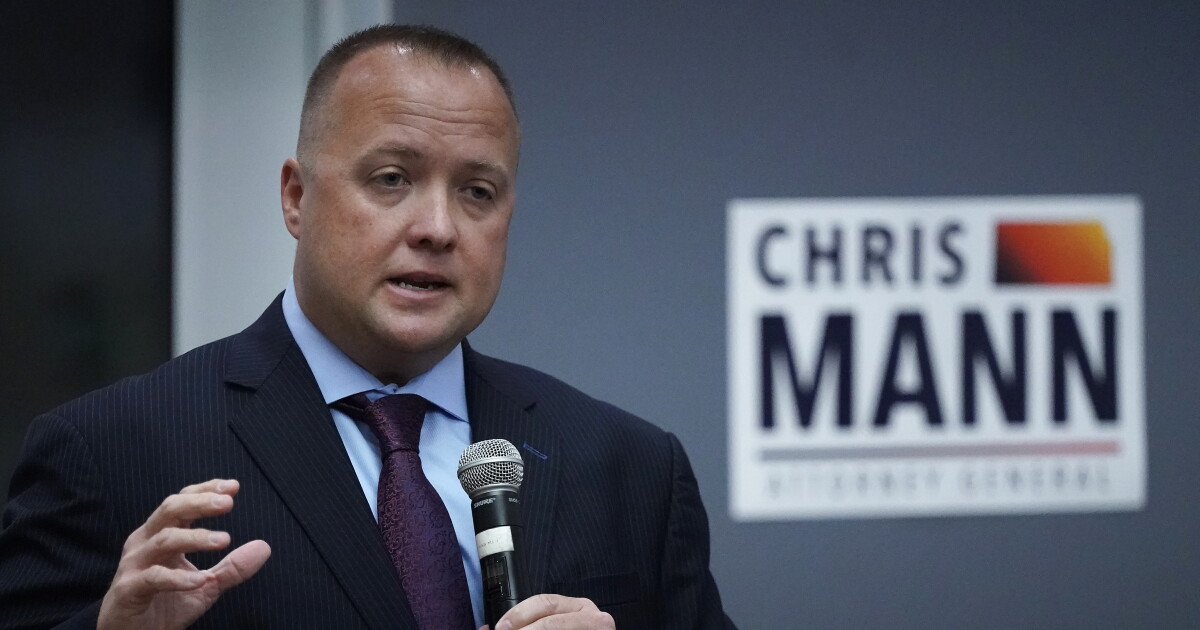
The Shift in Kansas Law Enforcement
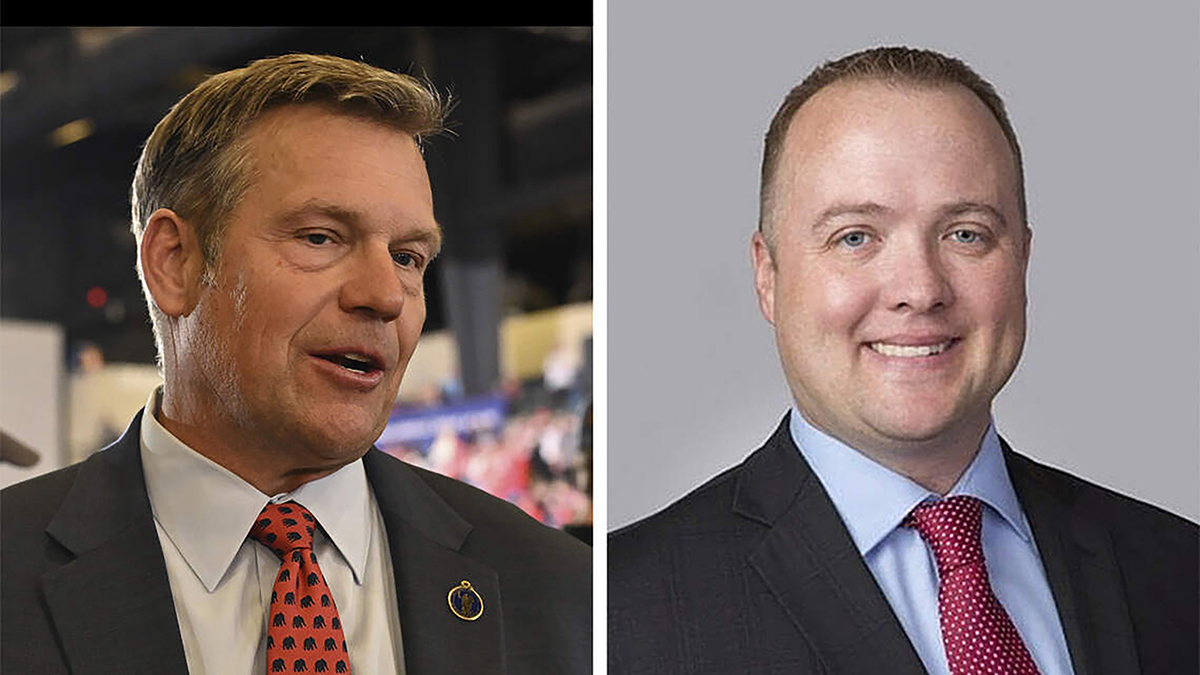
In a result that marks a significant departure from the state’s recent political trajectory, Democrat Chris Mann has officially defeated incumbent Republican Kris Kobach in the race for Kansas Attorney General. According to a race call issued by the Associated Press this past Friday, the outcome concludes a high-stakes rematch of the 2022 contest. This time, however, the margin shifted just enough to deny Kobach another term, with Mann securing victory by slightly more than one percentage point—a near mirror image of his loss to Kobach two years ago.
The transition of power signals more than just a change in leadership; it represents a fundamental pivot in how the state’s top legal office will approach its mandate. For the past several years, the Attorney General’s office has been a focal point for national conservative legal strategy. Under Kobach, the office aggressively litigated against federal policies, including challenges to Department of Education Title IX regulations and a high-profile legal battle against Kansas City, Kansas, Public Schools regarding student privacy and social transition policies. With Mann’s victory, Kansas will see its first Democrat in the role since 2011.
A Career Defined by National Agendas
Kris Kobach’s defeat concludes a long and often polarizing tenure in Kansas politics that frequently placed him at the center of national debates. Before his stint as Attorney General, Kobach gained national prominence as an architect of post-9/11 security policies, specifically those involving the monitoring of visitors from Muslim-majority countries. His rise to state office in 2010 as Secretary of State was fueled by his focus on immigration and voter registration, where he championed laws requiring proof of citizenship. Those efforts, however, were later hampered by judicial scrutiny and sanctions for misconduct.
Democrat Chris Mann leads Kansas Attorney General Kris Kobach in rematch https://t.co/rXpxt1woOz
Throughout his career, Kobach’s focus on voter fraud became a hallmark of his public identity. As Attorney General, he predicted that there would be “likely in the thousands” of noncitizens voting in Kansas. To date, his office has identified four such cases, though he has consistently characterized these findings as merely the “tip of the iceberg.” Despite his history of alleging widespread irregularities, Kobach has not contested the results of this current election. Even amid national rhetoric from allies like Donald Trump regarding potential voter fraud, the transition of power in Kansas appears to be proceeding without the legal challenges that defined some of Kobach’s previous political endeavors.
The Public Service Pivot
The campaign between Mann and Kobach highlighted two vastly different visions for the office. While Kobach emphasized his record on national litigation and crime rates—citing the state’s lowest crime rate in over 50 years—Mann campaigned on a platform of refocusing the office toward local public service. Mann, a former police officer who transitioned to law after being injured in a collision with a drunk driver, built his career representing victims in court. His approach to the office has been framed as a departure from the “political theater” he accused Kobach of fostering.
The office is going to be focused squarely on public service. That’s what the people of Kansas want. That’s what they deserve. They deserve someone who’s just going to get in and do the work, make sure that the hard work of going around the state and listening to communities and finding out what the issues are and how the attorney general can plug in and help out.
This message appears to have resonated with a broader coalition of voters and stakeholders. In a notable break from tradition, the Kansas State Lodge Fraternal Order of Police, which represents over 4,000 sworn officers, endorsed Mann. It was the first time the organization had supported a Democratic candidate for the office since 2002. This endorsement stands in contrast to Kobach’s support from 50 Kansas sheriffs, reflecting a divided landscape within law enforcement ranks regarding the best path forward for the state’s legal priorities.
The Broader Political Context
The Attorney General’s race did not occur in a vacuum. It was part of a broader “blue wave” that swept through Kansas during the midterm cycle. This wave also saw the election of the state’s first Democratic U.S. Senator in nearly a century and successfully ended the Republican supermajority in the Statehouse. The outcome suggests a electorate that, while conservative in many respects, may be recalibrating its expectations for state government performance.
As the state prepares for this transition, the immediate future for the office involves shifting away from the contentious litigation that defined the Kobach years. Mann has pledged to continue the work of the fentanyl task force—an area where both candidates found common ground—while promising to steer the office clear of the ideological battles that previously consumed its resources. Whether this shift will satisfy the diverse interests of the Kansas electorate or lead to a new set of political frictions remains the central question as the new administration takes hold.

How to Watch Douglas County vs. Cheyenne Mountain Football Live
The high school football matchup between Cheyenne Mountain and Douglas County takes center stage this Friday, November 6,...
Southeastern Oklahoma State Honors Top Ten Freshmen Students
Southeastern Oklahoma State University honors the 2025-26 Top Ten Freshmen Southeastern Oklahoma State University held a ceremony and...
Carolyn Jane Norman, 80, Beloved Mother and Community Supporter
Carolyn Jane Norman passes away at age 80 Carolyn Jane Norman, a long-time resident of East Grand Forks,...
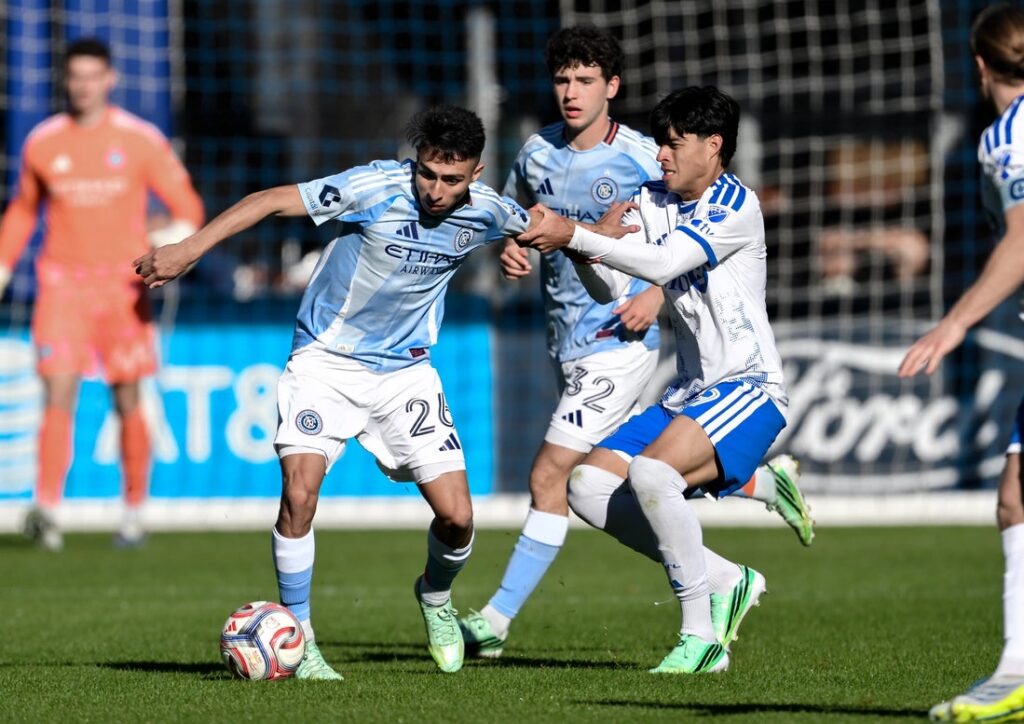
NYCFC and D.C. United Face Season Finale Amid Injury Struggles
New York City FC and D.C. United are both mathematically eliminated from the MLS postseason, setting the stage...