Democrats Gain a Dozen Seats in West Virginia Legislature as Republicans Keep Supermajorities
Democrats picked up 12 seats in the West Virginia House of Delegates and two seats in the State Senate on Tuesday night, carving a small blue ripple into a state where Republicans maintained their legislative supermajorities and every federal office, The Real WV reported. The gains came as Democrats seized control of the United States Congress following a blue wave of federal election results across the country, but that national momentum stopped short of flipping any federal seats in the Mountain State.
The shift gives Democrats 21 of 100 seats in the House, up from just nine, and four of 34 seats in the Senate, up from two. Republicans will hold 79 House seats and 30 Senate seats, numbers that preserve their two-thirds supermajorities in both chambers. That means GOP lawmakers can still override a governor’s veto and place constitutional amendments on the ballot without a single Democratic vote, even as the minority party more than doubles its House presence from nine to 21 members.
Tuesday’s results reflect a split verdict from West Virginia voters, who rewarded Democrats at the state legislative level while simultaneously re-electing Republicans to every federal office and approving a GOP-backed constitutional amendment. The outcome leaves the state’s political map looking much as it did before the election, with Republicans firmly in control but Democrats no longer reduced to single-digit irrelevance in the House.
From Nine to Twenty-One in the House
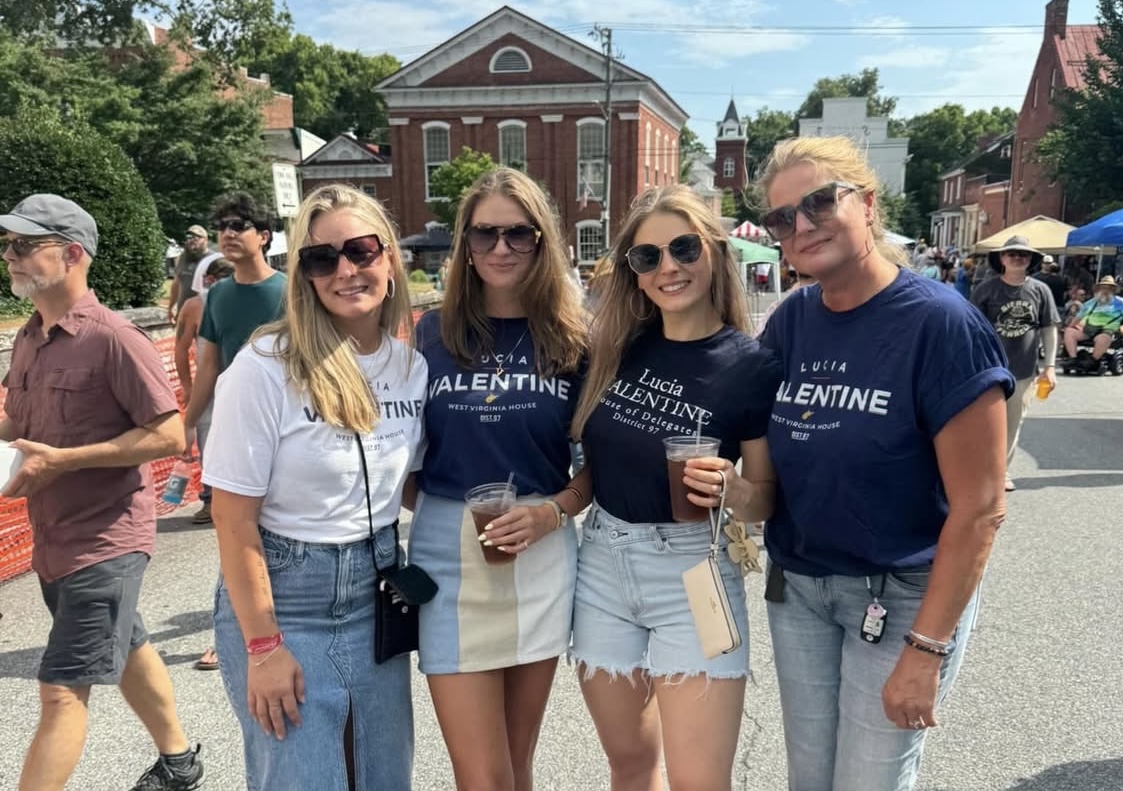
The Democratic pickups in the House span districts across West Virginia. Steve Williams defeated Patrick Lucas, Linda Longstreth unseated Phil Mallow, Michael Wendell won over Gino Chiarelli, Eddie Wagoner beat David McCormick, Lucia Valentine prevailed over Chris Anders, Regina Dyer defeated Wayne Clark, Jenny Thacker won against William Ridenhour, and Matthew Anderson captured a vacated Republican seat. Each victory adds to a caucus that had been reduced to single digits just two years ago, giving Democrats a stronger voice in committee assignments and floor debates despite remaining in the minority.
Not every race went smoothly for Republicans, either. West Virginia Republican Party Chair Josh Holstein appears to have retained his seat over Democrat Jennifer Bryant, but the victory was by fewer than 100 votes—evidence of how closely contested some districts still are. Meanwhile, Democratic Party Chair Mike Pushkin won comfortably against Independent Tara Martinez, securing his leadership position within the caucus he will now lead with 21 members instead of nine.
Democrats Secure Unexpected Seat Retention
In the Senate, Democrats added John Williams, who defeated Mike Oliverio, and Richie Robb, who won over Anne Charnock. The party also held a key seat when DuRon Jackson defeated Chris Miller in the race to replace retiring Minority Leader Mike Woelfel. Democrats had feared losing the seat outright, making Jackson’s victory a surprise hold that keeps the caucus at four members rather than dropping to three in a 34-seat chamber where Republicans now hold 30.
Red at the Federal Level
The state-level gains stand in sharp contrast to the federal results in West Virginia. While Democrats took the U.S. House and Senate nationally, Republicans held every federal office in the state by comfortable margins. Senator Shelly Moore Capito, Congressman Riley Moore, and Congresswoman Carol Miller will all return to Washington, cementing the state’s all-Republican delegation in Congress. The divergence suggests that national Democratic momentum reached the edges of West Virginia but did not translate into federal victories in the state’s reliably conservative electorate.
Citizens Only Amendment Passes
Voters also approved a Republican-sponsored constitutional amendment by a wide margin. Amendment 1 changes the state constitution’s voting language from “citizens of the state shall be entitled to vote” to “only citizens of the United States who are citizens of the state shall be entitled to vote,” a wording change that Republican lawmakers had sponsored to clarify voter eligibility requirements in the state constitution.
All vote tallies remain unofficial until certified by county election officials in the coming days. The certification process will determine whether Holstein’s sub-100-vote margin holds, potentially triggering a recount in a race that could further shift the balance of power in a chamber where every seat matters.
Related reading

US Stock Futures Mixed as Investors Weigh Midterm Results and Oil Prices
U.S. equity futures traded mixed early Thursday, November 5, 2026, as Wall Street digested a powerful rally that...

SWAT Team Arrests Cheyenne Man Following Felony Strangulation Warrant
When the flash-bang detonated outside the house at 8512 Cowboy Road just after 8 a.m. Wednesday, the sound...

39 Best Art Galleries and Museums in Downtown Charleston: An Interactive Guide
Thirty-nine galleries and museums now anchor downtown Charleston's cultural landscape, stretching from the French Quarter down to Gallery...

UW-Madison Campus Features Autumn Colors and Wildlife
Four sandhill cranes were photographed frolicking near Rennebohm Hall and the Nielsen Tennis Stadium during an autumn evening,...