
Washington House Democrats Secure Rare Supermajority
Following the November 3, 2026, election, the balance of power in the Washington state House of Representatives has shifted decisively. As reported by OPB, vote tallies confirmed by Thursday indicate that Democrats are on track to hold 66 of the chamber’s 98 seats. This threshold grants the party a supermajority, a rare political milestone that allows for the overriding of gubernatorial vetoes and the advancement of constitutional amendments.
The last time the party reached this level of dominance was in 1949, when they held 67 seats. They came close in 1992 with 65, while Republicans nearly hit the mark in 1996 with 62, as detailed in official legislative records. House Majority Leader Joe Fitzgibbon, D-West Seattle, confirmed the party’s outlook on Thursday, noting that if late ballots continue to trend in their favor, the caucus could potentially expand its numbers even further.
Incumbents Concede as Political Headwinds Mount
The path to a supermajority was paved by the unseating of several incumbent Republicans across the state, many of whom acknowledged the shifting political climate following the election. Representative Kevin Waters, R-Stevenson, was among the first to formally concede, congratulating his opponent, Democrat Ben Christly, in a public statement on Wednesday night. Other GOP lawmakers, including Representatives John Ley of Vancouver, Gloria Mendoza of Grandview, and Deb Manjarrez of Wapato, followed suit on Thursday as it became clear that the vote margins against them were insurmountable.
Representative David Stuebe, R-Washougal, expressed the frustration felt by the caucus, remarking on the difficulty of operating in a chamber where their influence is significantly diminished. “We’re going to have no role up there,” Stuebe said. “It would be really tough to serve in that.”
The shift was not limited to traditional battlegrounds. In the 14th Legislative District, a region long represented by Republicans, Democrats Chelsea Dimas and Ezequiel Morfin are leading their respective races. This district, which encompasses parts of Yakima, Klickitat, Benton, and Franklin counties as well as the Yakama Reservation, saw an intense organizing effort from Democrats and the impact of a court-ordered redistricting process. According to the official state election results, Dimas is poised to become the first Indigenous Latina elected to the legislature from that region.
The Human and Economic Stakes
For the average Washingtonian, the implications of a supermajority are practical rather than merely symbolic. The ability to override gubernatorial vetoes effectively removes the final check on legislative spending and policy implementation, potentially accelerating the pace of new tax initiatives or social programs. Conversely, the loss of Republican representation in districts like the 18th in Clark County signals a broad realignment in suburban voting patterns, leaving those voters with a significantly different voice in Olympia.

While the Democratic majority celebrates its newfound legislative flexibility, the practical reality of managing such a large caucus presents its own challenges. House Majority Leader Fitzgibbon suggested that the influx of new members from diverse regions of the state will bring a wider array of life experiences to the table, though he acknowledged that managing a caucus of 66 people is a logistical hurdle that requires careful coordination.
Unresolved Races and Future Counting
While the supermajority appears secure, the final composition of the House remains subject to ongoing ballot counting in several tight contests. In the 12th District, Republican Representative Brian Burnett is holding onto a slim 110-vote lead against Democrat Stacy Willoughby, a margin reflected in the latest ballot data. Other races, including those in the 25th and 35th districts, remain close enough that the ultimate seat count could still fluctuate as the final envelopes are processed.
As the state looks toward the next legislative session, the focus will shift from campaign rhetoric to the reality of governing. The political headwinds noted by defeated incumbents suggest a period of transition in Washington politics, where the traditional boundaries between rural and urban districts are being redrawn by demographic shifts and national political trends. The coming months will demonstrate how the state’s legislative body utilizes its enhanced power and whether the expanded Democratic majority can maintain unity on the pressing economic issues facing the state.
Keep reading
Miles Sadler Scores 25 to Lead West Virginia Over Stetson 91-53
West Virginia’s basketball program signaled a clear shift in its offensive trajectory on Friday night, relying on the...

Obituary: Charles McPherson Timms of Asheboro, North Carolina
A Life of Service and Style: Remembering Charles McPherson Timms For those who knew Charles McPherson Timms, a...

KC Book Fair supports Lead to Read KC and local literacy efforts
Kansas City adults reclaim the childhood tradition of the school book fair For decades, the Scholastic Book Fair...
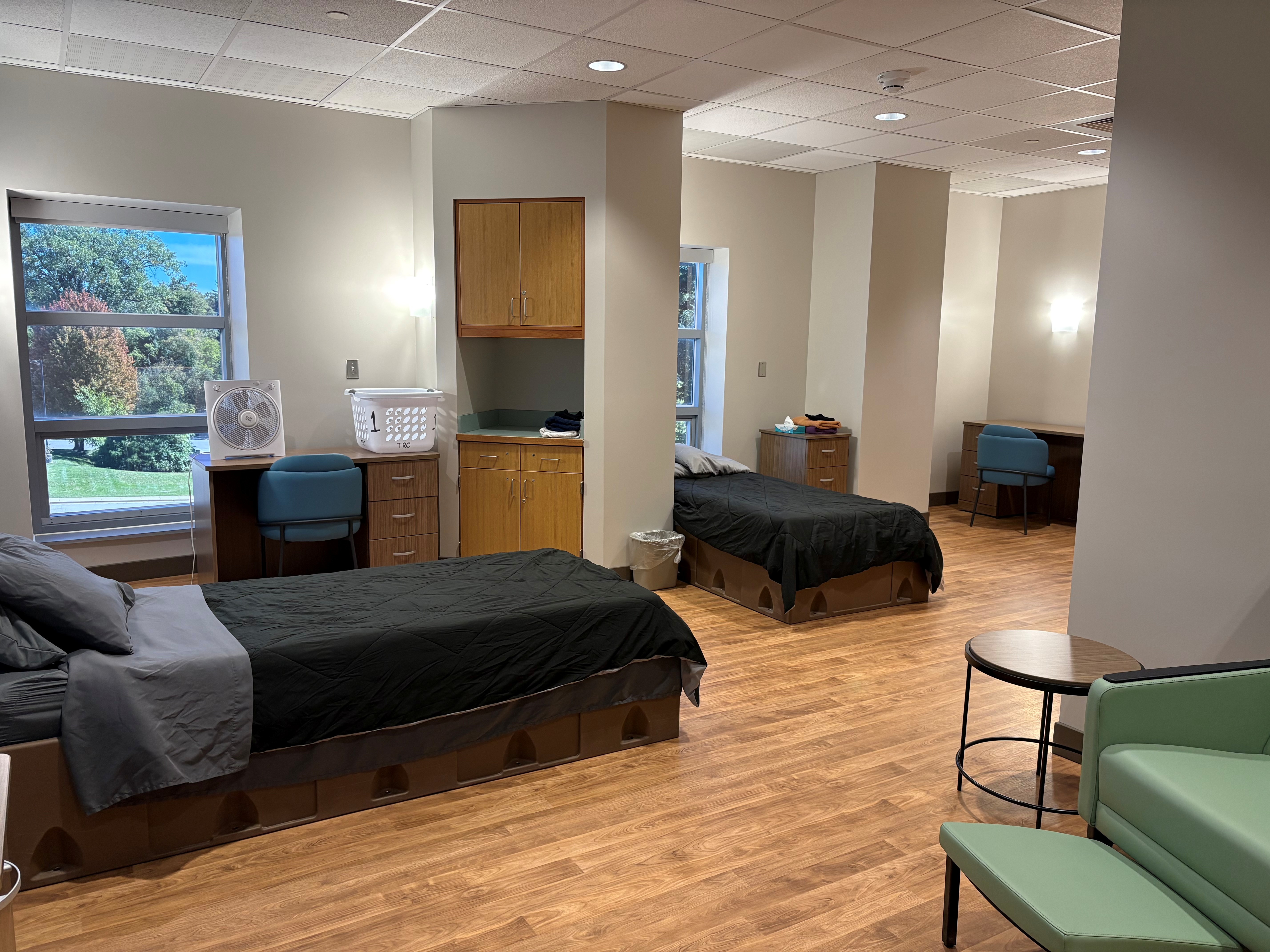
Lansing Detox Center Offers 24-Hour Supervised Medical Withdrawal Support
Lansing’s Recovery Center Adds 10-Bed Capacity for Short-Term Stabilization A new resource for individuals navigating the early stages...